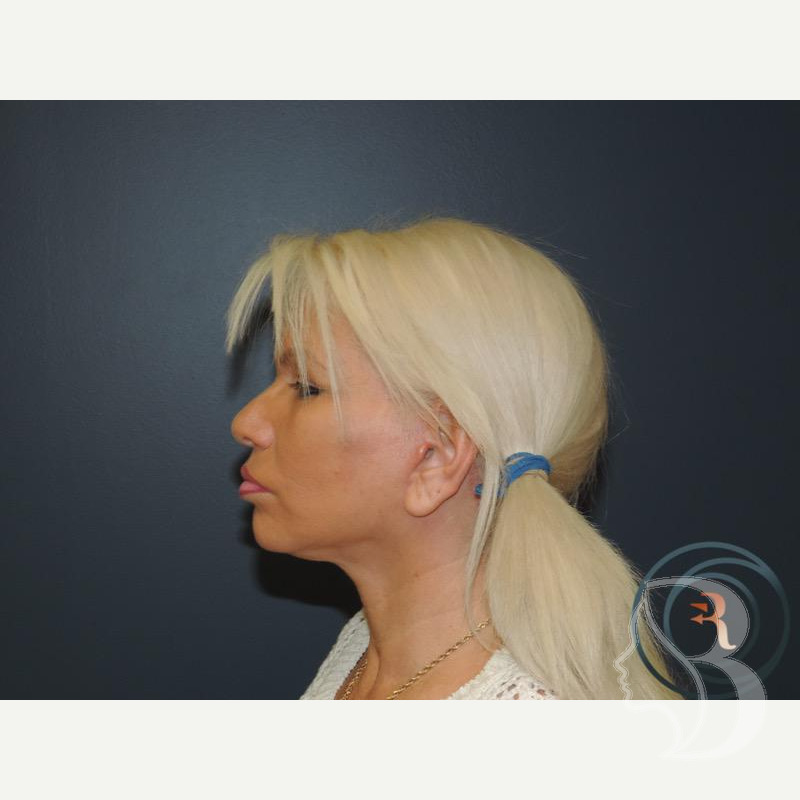
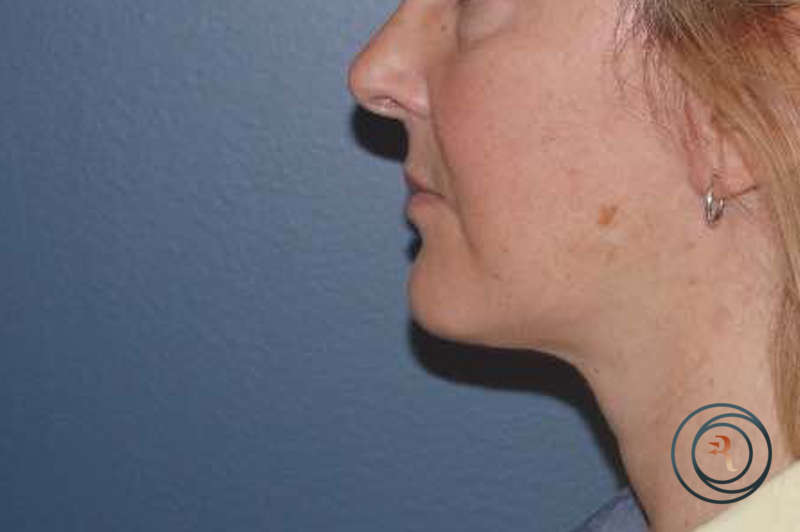
The Neck Lift
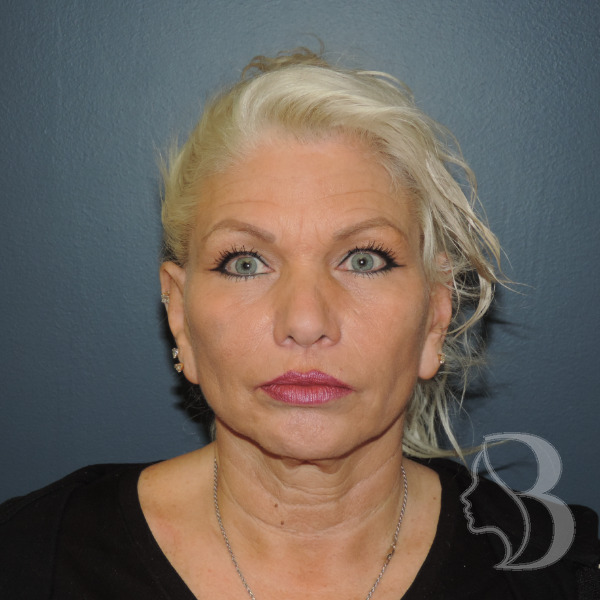
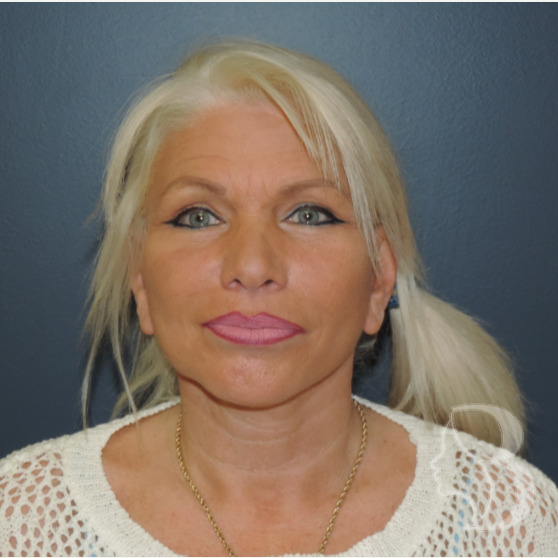
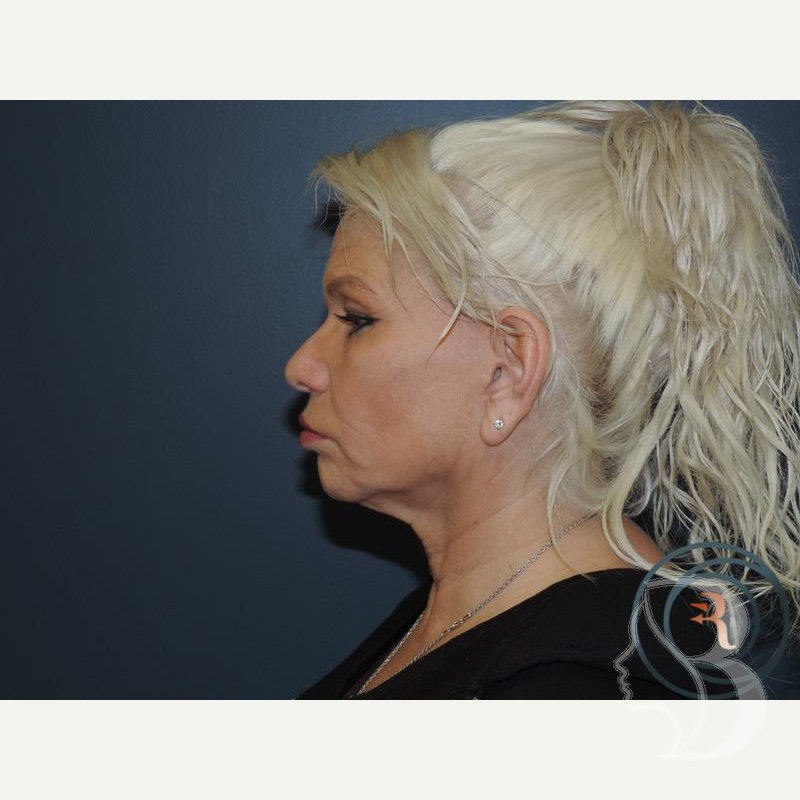
The neck is often the first place that gives away aging — and one of the last places that responds to diet, exercise, or skincare. As the years pass, the skin loosens, fat collects beneath the chin, and the thin platysma muscle slackens into the vertical bands that blur a once-sharp jawline. A neck lift corrects all three: it removes excess skin, sculpts submental fat, and tightens the platysma to restore a clean, defined jawline and a smooth neck. It is one of the fastest-rising procedures in aesthetic surgery — the American Society of Plastic Surgeons reports neck lifts among its top-growing surgeries, driven in part by the wave of patients left with loose neck skin after rapid GLP-1 weight loss. Dr. Rafizadeh has performed facial and neck rejuvenation for more than 40 years in Morristown, NJ.
“The neck is where people first notice age — and where the most natural improvement is possible when it's done right. I don't simply pull skin; I release and tighten the platysma muscle underneath and refine the fat, so the jawline looks sharp and the result holds. The goal is a neck that looks like yours, only younger — never tight, never operated.”
— Dr. Farhad Rafizadeh, MD FACS
What a Neck Lift Addresses
Three distinct problems combine to age the neck. A well-planned neck lift treats whichever of them apply to you.
Excess, hanging skin — the so-called “turkey wattle” — is trimmed and re-draped through discreet incisions hidden under and behind the ears, restoring a taut neckline.
A “double chin” from fat beneath the jaw is removed or sculpted — often with fine liposuction — to re-expose the angle between the chin and neck.
The vertical cords that appear as the neck muscle loosens are tightened in the midline (platysmaplasty), the step that most defines a sharp, lasting jawline.
Deep Plane vs. Traditional Neck Lift
A traditional neck lift tightens the skin and the superficial platysma muscle — an excellent option for the right candidate, with a shorter procedure and quicker initial recovery. A deep plane neck lift goes a layer deeper, releasing and repositioning the structural tissue of the neck rather than relying on skin tension. The deeper technique produces results that look more natural and last longer — commonly cited in the range of 12 to 15 years versus 7 to 10 for traditional skin-based lifts — while avoiding the “pulled” appearance that comes from putting tension on the skin alone. The trade-off is a slightly longer recovery. Dr. Rafizadeh matches the technique to your anatomy, skin quality, and goals rather than applying a single approach to everyone.
Neck Lift After Weight Loss & GLP-1
A large share of today's neck-lift patients come to the procedure after significant weight loss. When the body sheds fat — whether through diet or medications like Ozempic, Wegovy, Mounjaro, or Zepbound — it loses volume everywhere, including the jawline and neck. Skin that has lost its elasticity does not retighten on its own, leaving loose folds and prominent platysma bands often described as “Ozempic neck.” More than 800,000 patients prescribed GLP-1 medications by plastic surgeons pursued further aesthetic care in 2024, and the neck is one of the most common areas they ask to address. A neck lift removes the redundant skin and re-tightens the muscle that medication and exercise cannot reach. For patients addressing the body as well, this often folds into a broader post-weight-loss body contouring plan, and a related option for facial hollowing is facial fat grafting — part of a broader approach to restoring facial volume after Ozempic and GLP-1 weight loss.
→ Schedule a ConsultationMeet with Dr. Rafizadeh personally to discuss your goals and a personalized plan. Call (973) 267-0928 or request a consultation online.Are You a Candidate?
Good candidates are in general good health, bothered by loose neck skin, a double chin, or banding, and have realistic expectations. A stable weight gives the most predictable, lasting result, so patients still actively losing weight are usually advised to reach their goal first. Non-smokers, or those willing to stop nicotine well before and after surgery, heal best. Many patients in their forties and fifties choose a neck lift as a “maintenance” refresh before deeper aging sets in; others combine it with a facelift when the cheeks and jowls have also descended, since the face and neck age together. At consultation, Dr. Rafizadeh examines your skin, muscle, and fat, and recommends the least extensive plan that will reach your goals.

Recovery Timeline
Week 1: A light supportive dressing or chin strap is worn to control swelling. Bruising and tightness are greatest now and well managed with medication; most discomfort is mild. Walking is encouraged; heavy activity is not.
Weeks 2–3: Bruising fades and most patients return to office work and social activity. The jawline already looks sharper, though some swelling remains.
Week 4: Strenuous exercise gradually resumes with Dr. Rafizadeh's clearance. Incisions, hidden around the ears, continue to settle.
Months 3–6: Residual swelling resolves and the final, refined contour emerges. Scars continue to mature and fade over the following months.
Neck Lift in New Jersey
Dr. Rafizadeh performs neck lifts in Morristown, NJ for patients throughout New Jersey — including Essex, Morris, Union, Somerset, and Bergen counties — as well as those traveling from New York City and beyond. Because the right technique depends entirely on your anatomy, the first step is always a thorough in-person evaluation. Many patients pair a neck lift with a facelift, a chin implant to strengthen the jawline, or eyelid surgery for a balanced facial refresh.
Sources & References
- American Society of Plastic Surgeons. “Plastic Surgery Statistics Report.” plasticsurgery.org
- American Society of Plastic Surgeons. “Neck Lift — What to know.” plasticsurgery.org
- Jacono AA, et al. “Patient Satisfaction After Deep Plane Versus SMAS Facelift: A Systematic Review and Meta-analysis.” Aesthetic Surgery Journal. 2025. PubMed
- Aesthetic Surgery Journal Open Forum. “‘Ozempic Face’ in Plastic Surgery: A Systematic Review of GLP-1 Receptor Agonist Mediated Weight Loss.” academic.oup.com
- American Board of Plastic Surgery. “Verify a Surgeon's Certification.” abplasticsurgery.org
- Dr. Farhad Rafizadeh, RealSelf Q&A profile. realself.com