Natural Volume with Fat Grafting
Fat grafting — also known as fat transfer or liposculpture — involves harvesting fat from one area of the body via liposuction, processing it, and injecting it precisely where additional volume or contour is desired. Because the material is entirely your own, there is no risk of allergic reaction and the results integrate naturally with surrounding tissue.
Dr. Rafizadeh combines several fat grafting techniques including liposculpture to achieve the ultimate in body sculpting and facial rejuvenation. His artistic sensibility and extensive experience guide him to achieve exceptional results in New Jersey — treating the face as a three-dimensional canvas where volume, proportion, and balance are as important as skin tightening.
“Fat grafting methods combine the use of fat to enhance facial features, breasts, or buttocks. Dr. Rafizadeh's artistic sensibility and experience guide him to achieve exceptional plastic surgery results — treating volume restoration as a natural complement to structural facial surgery.”
Fat Grafting Before & After
View Full Gallery →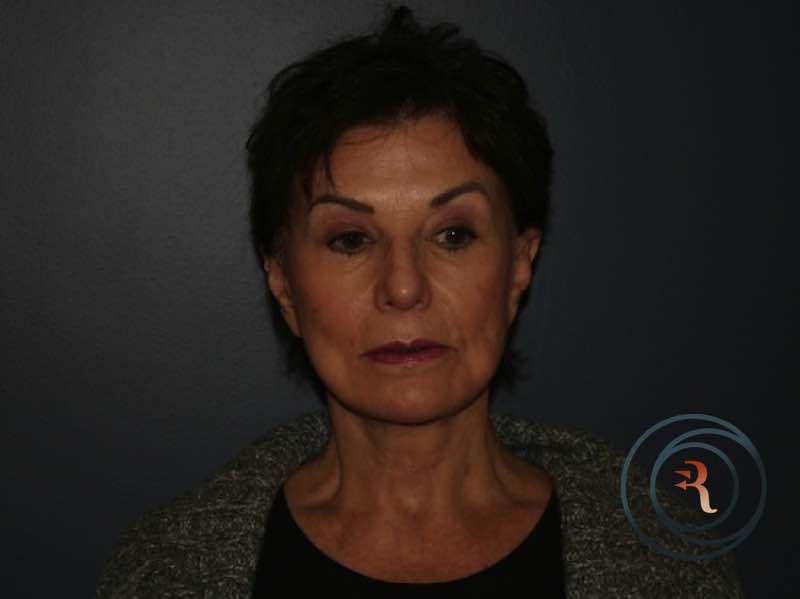


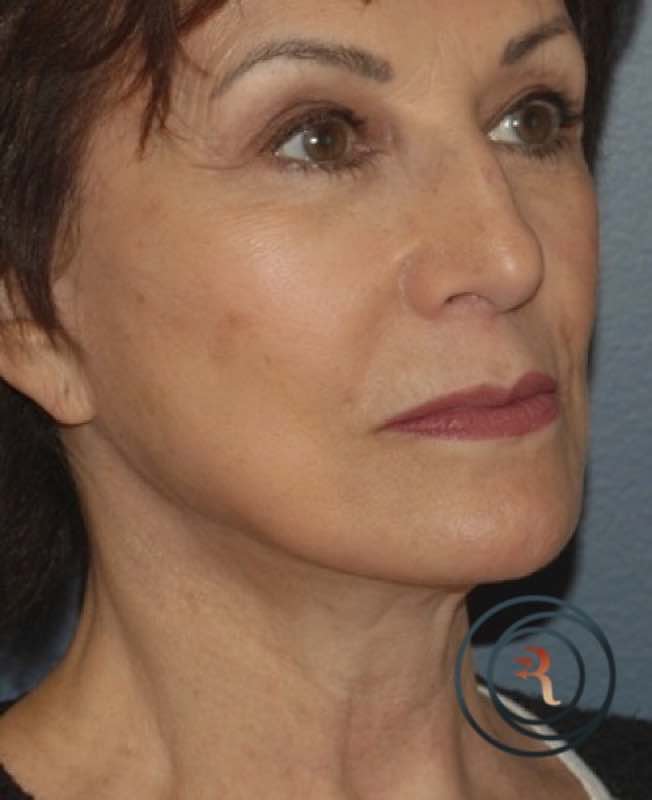
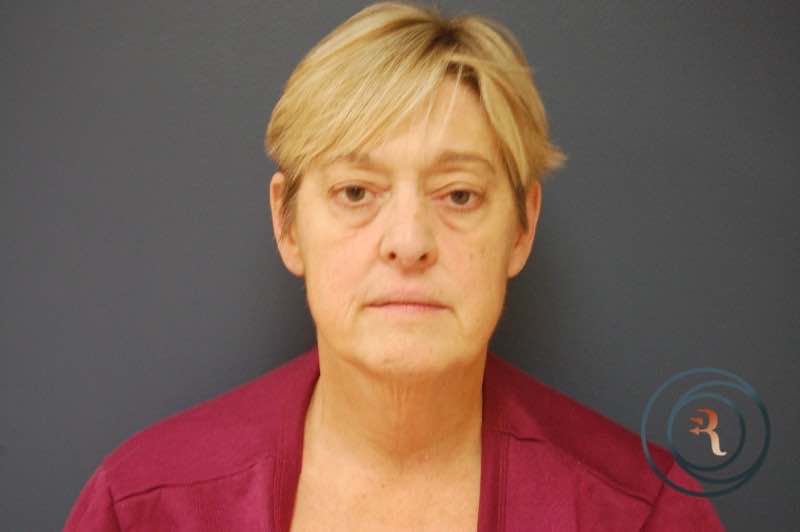
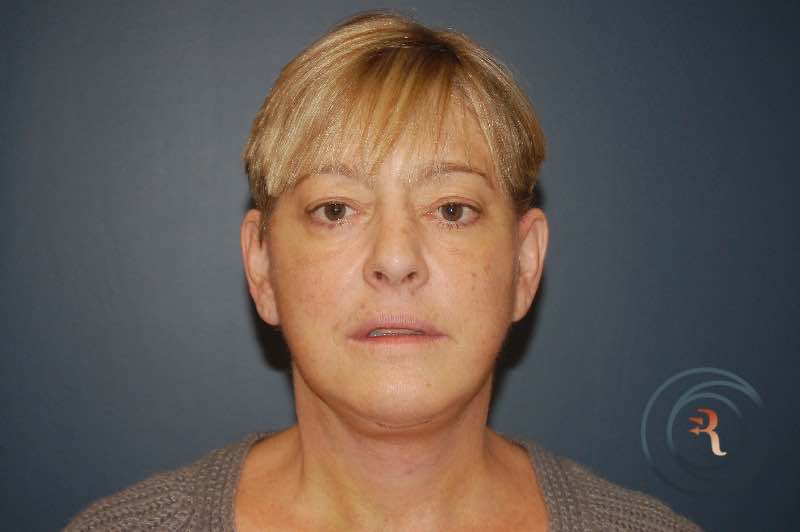
Facial Fat Grafting
One of the most common applications of fat grafting at Better Plastic Surgery is facial volume restoration. As the face ages, it loses fat in the cheeks, temples, and under-eye area — creating hollowness that no amount of skin tightening can address. For isolated under-eye hollows, some patients prefer a non-surgical option first; Dr. Rafizadeh also offers tear trough (under-eye) filler and helps each patient weigh filler against a permanent fat transfer. Dr. Rafizadeh commonly combines fat grafting with facelift surgery to restore the three-dimensional youthful volume that has been lost, producing a result that is genuinely refreshed rather than merely tightened.
→ Facial Fat GraftingFacial fat grafting restores lost volume with your own fat — natural, permanent results. Dr. Rafizadeh performs fat transfer to face in Morristown, NJ.Breast & Body Fat Grafting
Fat grafting to the breasts can provide modest augmentation (typically one half to one cup size) using entirely natural material. It is commonly used to improve shape, symmetry, and the appearance of rippling in patients with existing implants. Body fat grafting can also address contour irregularities from prior liposuction or weight loss. For a full discussion of natural breast enhancement without implants, see our dedicated fat transfer breast augmentation page.
→ Fat Transfer to LipsFat transfer to the lips adds natural, long-lasting fullness using your own fat. A permanent alternative to lip filler. Dr.Donor Site Liposuction
Fat is harvested from areas of excess — most commonly the abdomen, flanks, thighs, or knees — using gentle liposuction. The donor site is contoured in the same procedure, providing a dual benefit: removal of unwanted fat from one area and addition of volume in another.
→ Fat Grafting vs. FillerFat grafting vs. dermal filler — an honest comparison of permanent and temporary facial volume restoration. Which is right for you? Dr.Recovery Timeline
Fat Grafting Techniques — In Depth
Explore the detailed technique pages below for an in-depth look at specific fat grafting applications, how they compare to non-surgical alternatives, and what to expect from each:
- Facial Fat Grafting — Comprehensive guide to restoring volume in the midface, temples, tear troughs, and lips using autologous fat transfer.
- Fat Transfer to Lips — Long-lasting lip augmentation using your own fat — a permanent alternative to repeated lip filler treatments.
- Fat Grafting vs. Filler — An honest comparison of permanent biological volume restoration versus temporary injectable filler.