Ear Reshaping (Otoplasty)
Otoplasty — ear pinning or ear reshaping surgery — addresses ears that protrude significantly from the head, are asymmetrical in shape or size, or have structural irregularities that cause self-consciousness. It is one of the few cosmetic procedures commonly performed on children (typically after age 5, once the ear cartilage has sufficiently developed) as well as adults.
Dr. Rafizadeh performs otoplasty under local anesthesia with sedation for adult patients, and under general anesthesia for younger children in collaboration with a pediatric anesthesiologist. His technique reshapes the ear cartilage and positions the ears closer to the head, creating natural-looking results that are symmetric and proportionate to the face.
“The goal of otoplasty is not to create identical ears — no two ears on any person are perfectly identical. The goal is to create ears that are proportionate, symmetric within a natural range, and positioned in harmony with the rest of the face.”

Ear Surgery Before & After
View Full Gallery →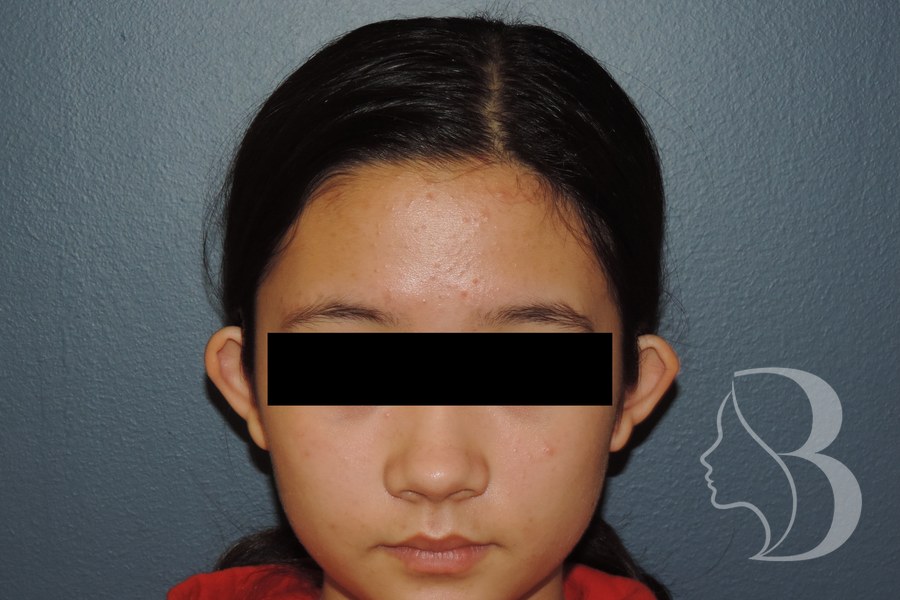
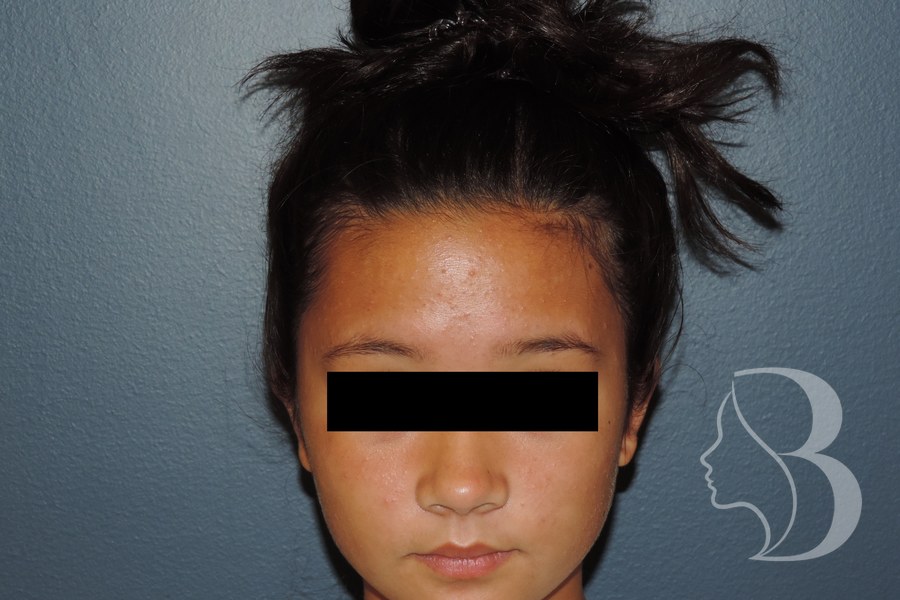
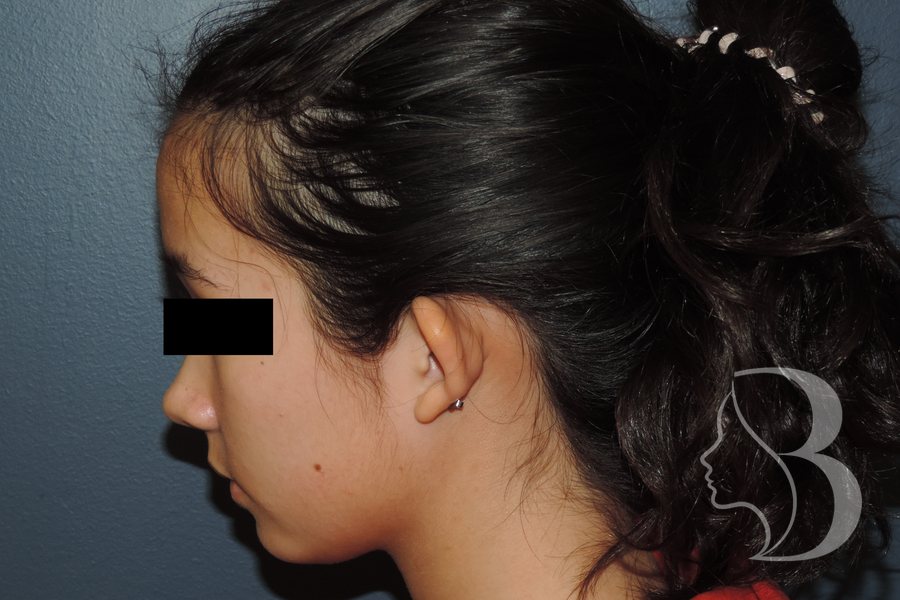
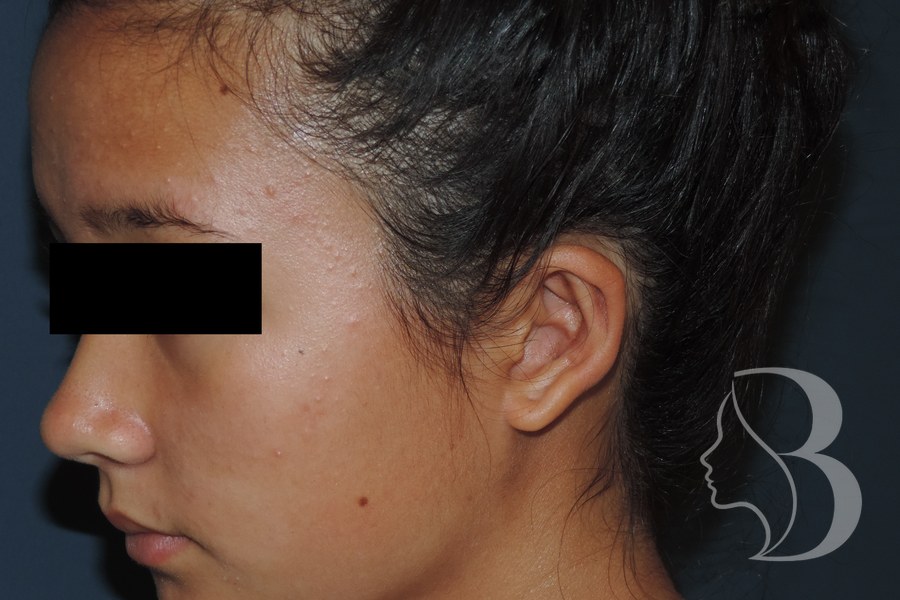
What Can Otoplasty Correct?
Dr. Rafizadeh uses otoplasty to address: prominent ears that stick out significantly from the head, underdeveloped antihelical fold (causing the ear to appear flat), macrotia (overly large ears), cup ear deformity, asymmetric ears, and deformities from prior trauma or surgery.
→ Otoplasty (Ear Pinning)Otoplasty (ear pinning) corrects prominent, protruding, or asymmetrical ears. Performed under local anesthesia with permanent results. Dr.The Surgical Technique
Incisions are placed in the natural crease behind the ear, making scars virtually invisible. Through these incisions, Dr. Rafizadeh reshapes the ear cartilage using sutures and, where necessary, removes or scores cartilage to establish the natural antihelical fold. Both ears are addressed in a single procedure, even if only one appears to be the primary concern, to achieve optimal symmetry.
→ Ear ReductionEar reduction surgery (macrotia correction) reduces oversized or elongated ears. Outpatient procedure under local anesthesia with permanent results. Dr.Who Is a Candidate?
Otoplasty is appropriate for children aged 5 and older — once the ear cartilage has fully developed — and for adults at any age. Most candidates have ears that protrude more than 2 cm from the side of the head, causing self-consciousness that affects hairstyle choices, headwear, and social confidence. Adults who have lived with prominent ears for years are excellent candidates and often describe the result as life-changing. Dr. Rafizadeh performs otoplasty for patients throughout New Jersey, including Morristown, Parsippany, Florham Park, Short Hills, Summit, and across Morris, Essex, Union, and Bergen counties. Families also travel from South Jersey and North Jersey specifically for his experience with pediatric and adult ear reshaping. Read more in his article on precision otoplasty and ear pinning for natural results in New Jersey.
Recovery Timeline
Ear Surgery Techniques — In Depth
Ear surgery encompasses several distinct procedures, each addressing a different anatomical concern. Explore the in-depth technique pages below to learn what each procedure involves, who it is best suited for, and what results to expect:
- Otoplasty (Ear Pinning) — Corrects ears that protrude significantly from the head using Mustardé sutures and conchal set-back techniques. Appropriate for children and adults.
- Earlobe Repair — Repairs torn, split, stretched, or gauged earlobes. In-office procedure under local anesthesia with re-piercing possible at 6–8 weeks.
- Ear Reduction (Macrotia Correction) — Reduces ears that are disproportionately large in height, width, or lobule length using carefully planned excision and cartilage reshaping.