What Is a Chin Implant?
Chin augmentation, or mentoplasty, is a surgical procedure that places a solid silicone implant over the chin bone to increase its projection, width, or definition. The result is a stronger, more balanced profile — one that brings the chin into harmony with the nose and forehead, creating a more aesthetically complete face.
Dr. Rafizadeh frequently performs chin augmentation as a standalone procedure or in combination with rhinoplasty, facelift, or neck liposuction. Because the chin and nose are optically linked — each appearing larger or smaller in relation to the other — addressing both together often produces the most dramatic improvement in facial balance.
“The chin is one of the most underappreciated elements of facial harmony. A well-proportioned chin frames the entire face — it makes the nose look right, the jawline look defined, and the profile look complete.”
— Dr. Farhad Rafizadeh, MD FACS
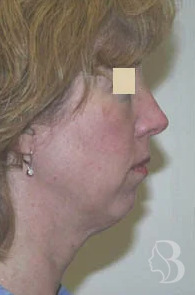
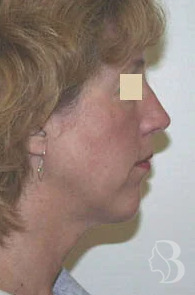
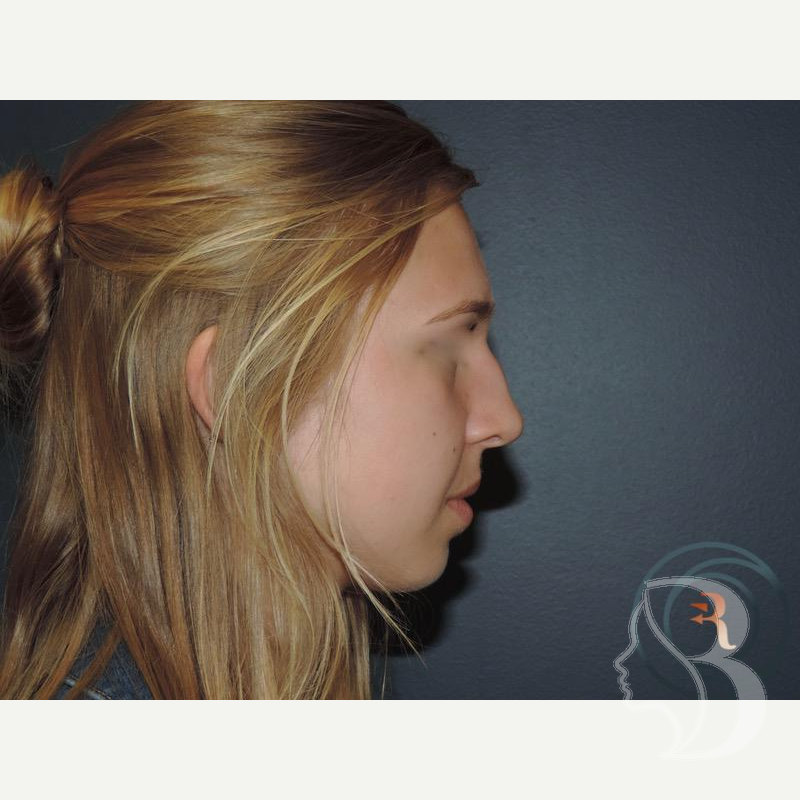
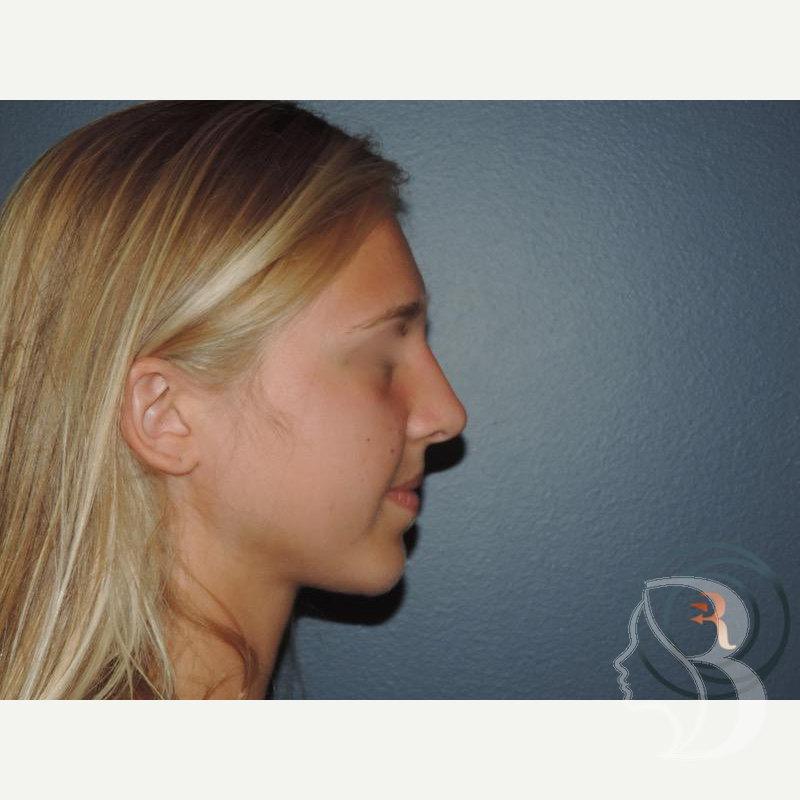
Chin Implant Before & After
Both results below are actual patients of Dr. Rafizadeh.
Who Is a Good Candidate?
Chin augmentation is appropriate for patients who have a weak or receding chin that appears disproportionate to their other features, a profile that lacks definition between the chin and neck, or a nose that appears larger than it is because the chin does not adequately project. Patients seeking a stronger jawline or more defined facial structure are also good candidates, provided they are in good general health, have realistic expectations, and have completed facial growth — typically age 18 or older.
→ Chin AugmentationChin augmentation with silicone implants adds projection and definition to a weak or recessed chin. Outpatient surgery under local anesthesia. Dr.Dr. Rafizadeh's Surgical Approach
Dr. Rafizadeh performs chin augmentation through a small incision placed either beneath the chin (submental) or inside the lower lip (intraoral). Both approaches heal without visible external scarring. The implant is positioned directly over the chin bone and secured in a precise anatomical pocket that prevents shifting or migration over time.
Implant selection is one of the most important decisions in the procedure. Dr. Rafizadeh evaluates each patient’s bone structure, soft tissue thickness, and facial proportions to determine the correct implant size, width, and projection. He does not apply a one-size-fits-all approach — every implant is chosen specifically for the anatomy in front of him.
→ Chin Implant vs. FillerChin implant vs. chin filler — comparing permanent surgical augmentation to temporary injectable options. Which is right for you? Dr.Combining Chin Implant with Other Procedures
Rhinoplasty
The most common pairing — the nose and chin are optically linked, and addressing both in a single surgery restores the nose-chin relationship and overall profile balance.
Submental Liposuction
Removes excess fat beneath the chin to sharpen the jawline.
Facelift
A facelift combined with a chin implant adds structural definition to the lower face as part of comprehensive facial rejuvenation.
Fat Grafting
Can supplement volume around the jawline and cheeks in conjunction with chin augmentation.
Chin Liposuction as an Alternative
Not every patient needs an implant. For patients whose primary concern is excess submental fat — rather than a lack of chin projection — chin liposuction alone can produce a dramatically sharper jawline with minimal downtime and no implant required. Dr. Rafizadeh evaluates each patient’s chin bone structure and soft tissue volume to determine whether liposuction, an implant, or a combination of both will produce the best result. Full details on technique, recovery, and cost are covered on our liposuction page.
→ Chin Implant with RhinoplastyChin implant combined with rhinoplasty — the classic pairing in facial plastic surgery. Balanced, simultaneous correction for nose and chin. Dr.Recovery & Results
Chin implant surgery is performed on an outpatient basis.
Because the implant is solid silicone positioned on bone, results are permanent and do not require replacement over time.