Breast Reduction Surgery in New Jersey
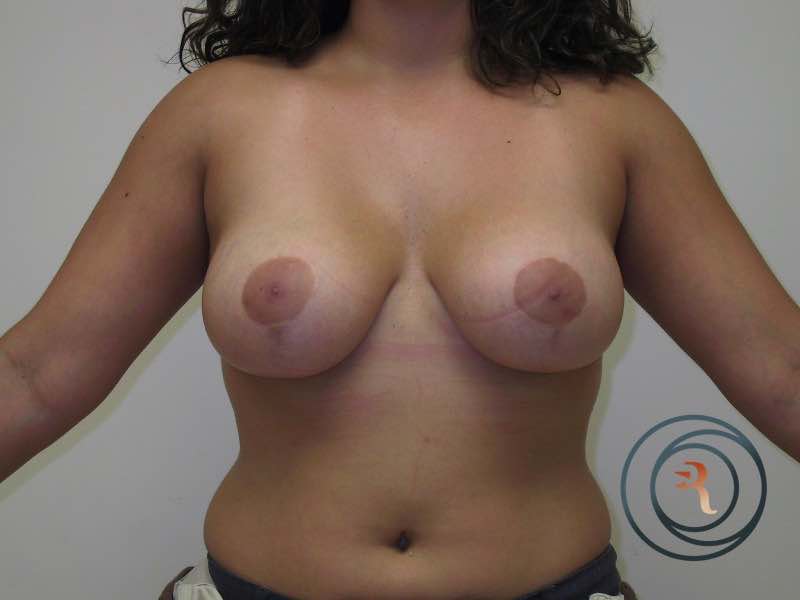
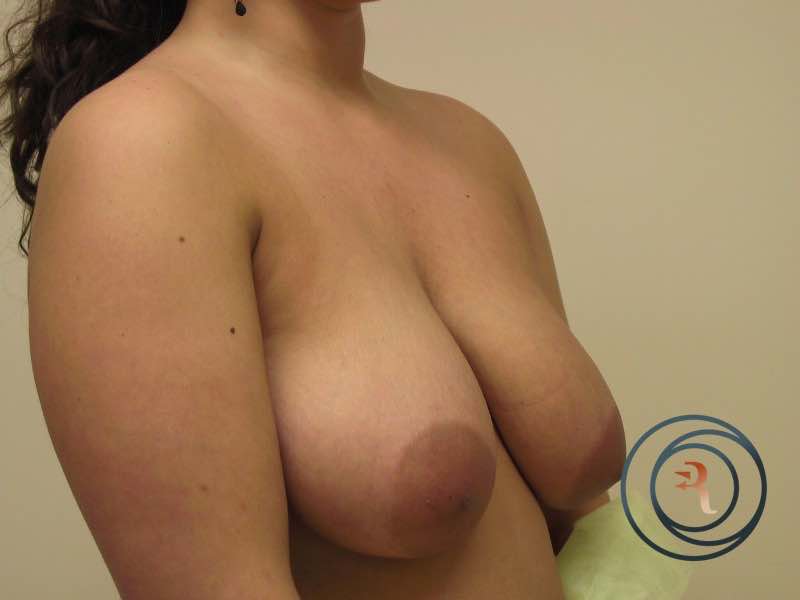
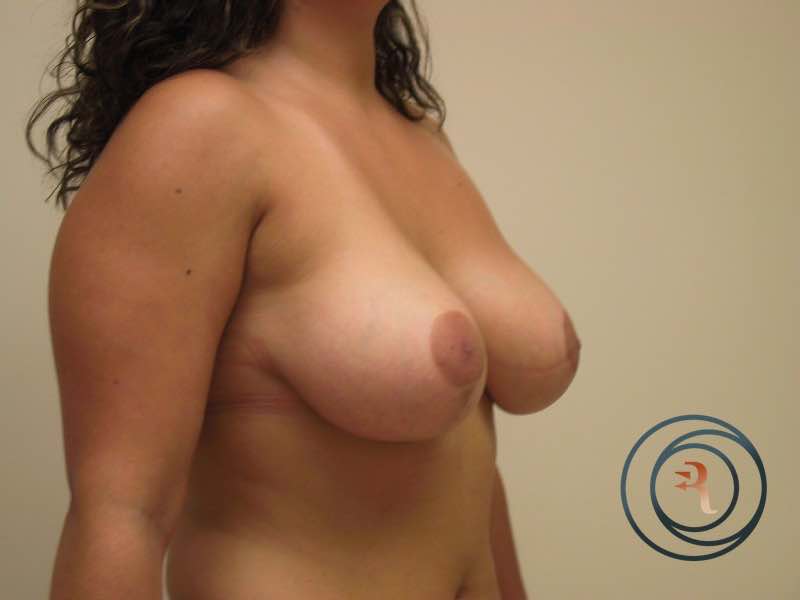
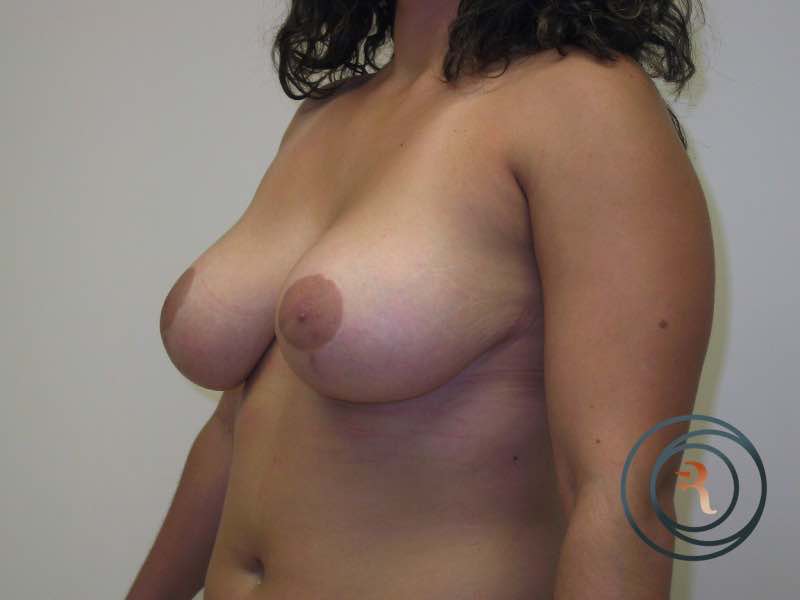
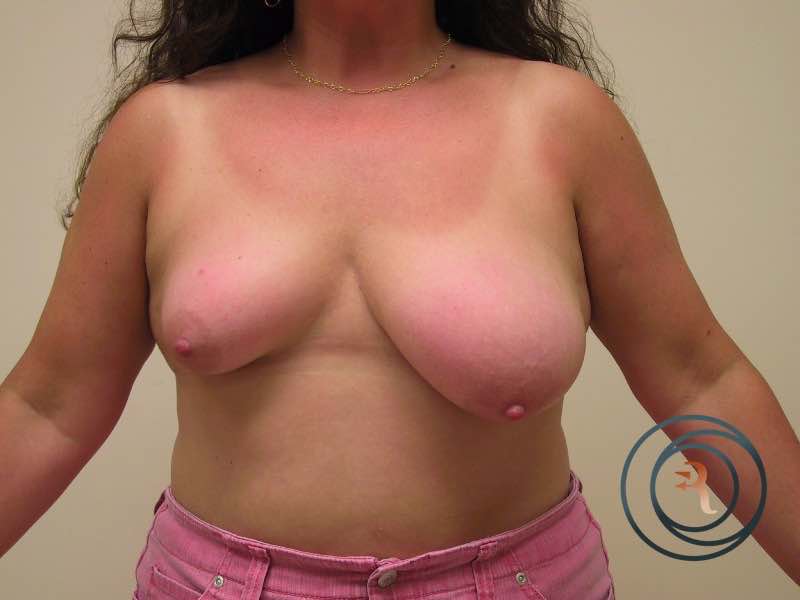
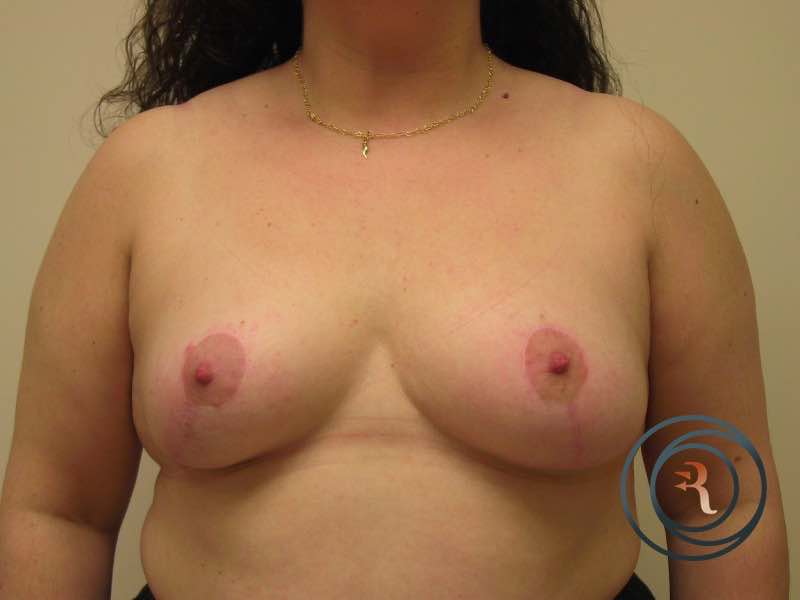
Breast reduction — also called reduction mammaplasty or reduction mammoplasty — is a variation of mastopexy in which breast tissue is also removed. The same incision patterns used in breast lifting are applied, but significant amounts of breast tissue, fat, and skin are excised to reduce size and alleviate the physical symptoms associated with macromastia (breast hypertrophy or, in the most severe cases, gigantomastia).
Patients with large breasts frequently experience chronic neck, back, and shoulder pain, bra strap grooving, skin rashes in the inframammary fold, difficulty exercising, and limitations in clothing choices. In many cases, breast reduction is considered a medically necessary procedure and may be covered by health insurance. Dr. Rafizadeh, a board certified plastic surgeon in NJ, helps Morristown-area patients navigate both the surgical and insurance aspects of breast reduction.
Dr. Farhad Rafizadeh MD FACS has been performing breast reduction in New Jersey since 1984 from his practice in Morristown, NJ — serving patients throughout Morris County, Essex County, Union County, and the greater New Jersey area including Short Hills, Summit, Chatham, Livingston, Madison, and Basking Ridge.
Breast Reduction Before & After
View Full Gallery →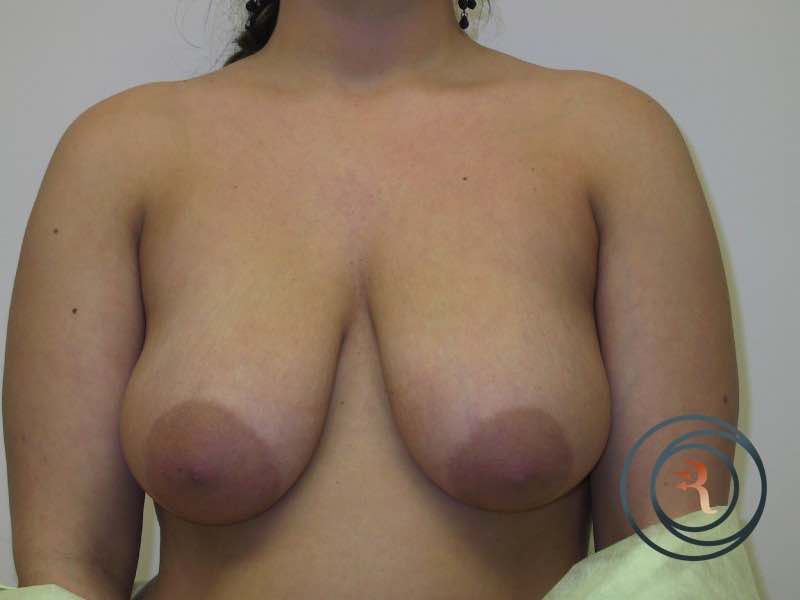


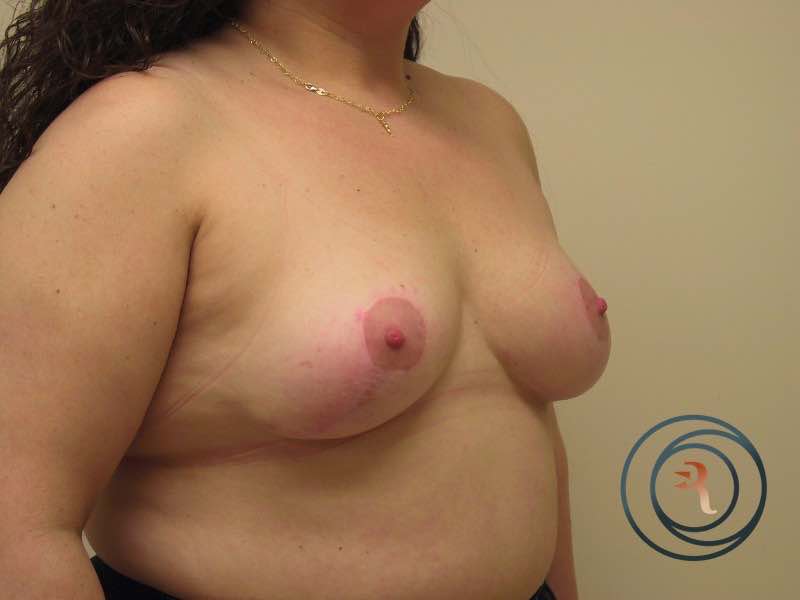

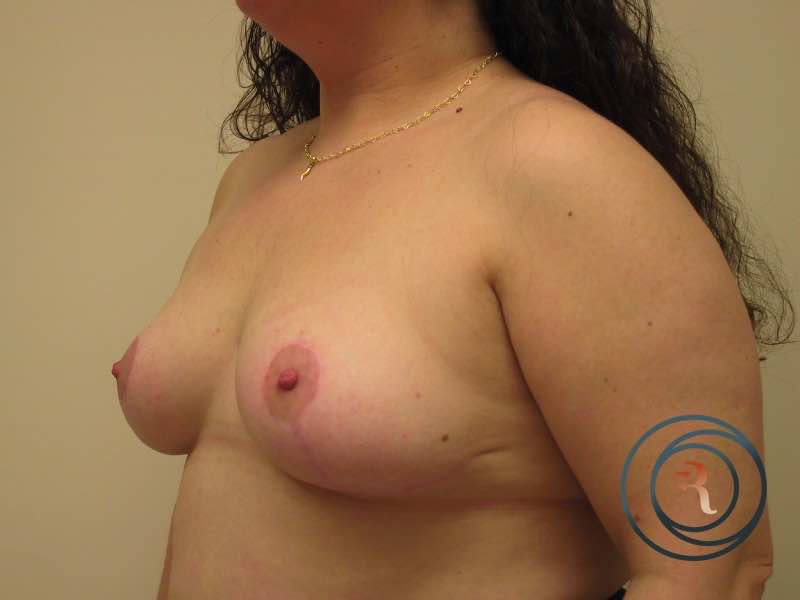
Benefits of Breast Reduction
Breast reduction is one of the highest patient-satisfaction procedures in plastic surgery. Beyond the aesthetic improvement, patients consistently report life-changing functional benefits:
- Relief from chronic back, neck, and shoulder pain caused by the weight of overly large breasts
- Resolution of bra strap grooving and shoulder indentation
- Elimination of skin rashes and irritation in the inframammary fold
- Improved posture and ease of physical activity and exercise
- Expanded clothing options and better-fitting garments
- Enhanced self-confidence and body image
- Relief from headaches and migraines linked to neck tension caused by heavy breasts
- Improved breathing and sleep quality in patients whose breast size contributed to respiratory strain
- Long-lasting results that are proportionate to your frame
Ideal Candidates
The best candidates for breast reduction in New Jersey are women who are in good overall health and experiencing one or more of the following:
- Chronic back, neck, or shoulder pain attributable to breast size
- Skin rashes or irritation beneath the breasts
- Difficulty participating in sports or exercise
- Asymmetry or disproportionate breast size relative to body frame
- Emotional discomfort or self-consciousness due to breast volume
Patients should be non-smokers (or willing to quit for surgery) and at or near a stable body weight. Dr. Rafizadeh evaluates each patient individually — there is no single “right” cup size goal; the aim is a result that is natural, proportionate, and relief-providing for you.
“Breast reduction also called reduction mammoplasty is a variation of mastopexy, when breast tissue is removed. The same patterns can be used as in mastopexy. Most often, we use the vertical or the inverted T pattern or anchor pattern. Dr. Rafizadeh has the biggest experience in breast surgery and knows how to keep the scars the shortest possible and still achieve the best breast shape.”
— Dr. Farhad Rafizadeh, MD FACS
Surgical Techniques
Dr. Rafizadeh uses a wide variety of breast reduction techniques and selects the approach based on each patient's breast size, degree of sagging (ptosis), skin quality, and goals. The nipple and areola are elevated to a higher, more youthful position carried by a pedicle of tissue that preserves their blood supply and sensation. As a rule, the larger and more ptotic the breasts, the longer the scars need to be to achieve optimal shape. The most common breast reduction techniques include:
| Technique | Incisions & Best Suited For |
|---|---|
| Vertical (lollipop) reduction | An incision around the areola and a single vertical line down to the breast crease. Well suited to moderate reductions with good skin quality, leaving shorter scars than the anchor technique. |
| Inverted-T (anchor / Wise pattern) reduction | Incisions around the areola, vertically down, and along the inframammary fold, healing in the shape of an anchor. The workhorse approach for large, heavy, or pendulous breasts where the most reshaping and tissue removal is required. |
| Peri-areolar (donut) reduction | A single circular incision around the areola, reserved for smaller reductions and subtle reshaping where scarring is kept to a minimum. |
| Liposuction breast reduction | For select patients whose enlargement is primarily fatty tissue with good skin elasticity, breast size can be reduced through small incisions with minimal scarring and a faster recovery. |
Many reductions also address asymmetry — correcting uneven breast size by removing more tissue from the larger side — and can be combined with a breast lift when sagging is the primary concern. During your consultation in Morristown, Dr. Rafizadeh will examine your anatomy and recommend the technique that delivers the best shape with the shortest possible scars.
→ Schedule a ConsultationMeet with Dr. Rafizadeh personally to discuss your goals and a personalized plan. Call (973) 267-0928 or request a consultation online.Insurance Coverage for Breast Reduction in New Jersey
Breast reduction is one of the most frequently insurance-covered plastic surgery procedures in New Jersey. When large breasts cause documented functional problems — chronic back, neck, or shoulder pain; bra-strap grooving; skin rashes in the inframammary fold; or limitations in physical activity — the procedure is classified as medically necessary rather than cosmetic, and most major health plans will cover it. Dr. Rafizadeh’s office works with the major New Jersey insurers — including Horizon Blue Cross Blue Shield of New Jersey, Aetna, Cigna, UnitedHealthcare, and AmeriHealth NJ — and is familiar with each plan’s prior authorization criteria for reduction mammaplasty.
What New Jersey insurers typically require for prior authorization:
- Documented symptoms — chart notes or letters from your primary care physician or orthopedist confirming chronic pain related to breast size
- Failed conservative treatments — evidence that physical therapy, chiropractic care, or prescription anti-inflammatories were attempted
- Minimum tissue removal threshold — most NJ insurers use the Schnur scale, which sets a minimum gram weight per breast based on body surface area (typically 500–800 g per side)
- BMI documentation — some plans require BMI to be below a set threshold or ask patients to demonstrate weight stability
- Pre-operative photographs — clinical photos showing breast size, ptosis, and skin changes
Dr. Rafizadeh’s office manages the full prior authorization process — from compiling your clinical documentation to submitting the request and responding to insurance denials with letters of medical necessity. Patients with qualifying symptoms have a strong success rate obtaining approval. Read our complete guide to insurance coverage for breast reduction in NJ →
Wondering if your insurance will cover breast reduction? Let our office review your symptoms.
Risks & Considerations
The scars are the main side effect of any breast reduction procedure. Dr. Rafizadeh keeps scars the shortest possible while still achieving the best breast shape. There can be some reduction in nipple sensation, especially if the nipples are moved a long distance from their original position. Postoperative bleeding is the most common short-term complication; a suction drain is typically used and removed the following day. There are other complications that Dr. Rafizadeh has never experienced in his practice, such as nipple loss and fat necrosis. Hypertrophic scars or keloids are rare, and patients with a history of this type of scarring are counseled before surgery.
Recovery Timeline
Have questions about recovery or whether you’re a candidate? Dr. Rafizadeh evaluates every patient personally.
Cost of Breast Reduction in New Jersey
The cost of breast reduction surgery in New Jersey depends on the complexity of the procedure, the technique used, and whether the surgery qualifies for insurance coverage. For cosmetic cases, financing is available through CareCredit and Alphaeon Credit. For patients who qualify medically, insurance can significantly offset or fully cover the cost — Dr. Rafizadeh’s office provides complete insurance authorization support from start to finish.
A personalized cost estimate is provided at the time of your consultation. For a detailed breakdown of pricing, surgical fees, and financing, read our guide to breast reduction cost in New Jersey. Call (973) 267-0928 or schedule your consultation online.
Patient Satisfaction & Research
The research bears out what patients report. Multiple systematic reviews and meta-analyses using the validated BREAST-Q patient-reported outcome instrument show that reduction mammaplasty produces large, durable improvements in satisfaction with breasts and in psychosocial, physical, and sexual well-being. A 2023 meta-analysis published in the Aesthetic Surgery Journal found significant gains across all quality-of-life domains after surgery, and individual cohort studies report patient satisfaction rates of roughly 90% or higher sustained for years post-operatively. Dr. Rafizadeh’s New Jersey patients consistently echo these findings, reporting life-changing relief from chronic pain and a restored sense of confidence.
Breast Reduction vs. Breast Lift
These two procedures are frequently confused but serve different goals. A breast lift (mastopexy) reshapes and repositions the breast without significantly reducing size — ideal when the primary concern is sagging or ptosis rather than weight. A breast reduction both lifts the breast and removes substantial tissue to reduce size and relieve the physical symptoms caused by excess weight. Both procedures use similar incision patterns and can be performed together when indicated. Dr. Rafizadeh will evaluate your anatomy, symptoms, and goals to determine which approach — or which combination — is right for you.
Why Choose Dr. Rafizadeh for Breast Reduction in New Jersey
Choosing the right surgeon for breast reduction makes a significant difference in both the safety and quality of your outcome. Dr. Farhad Rafizadeh brings a combination of credentials and experience that is rare in the state:
- 40+ years performing breast reduction in New Jersey — in practice in Morristown since 1984
- ABPS board-certified plastic surgeon and Fellow of the American College of Surgeons (FACS)
- Castle Connolly Top Doctor and NJ Monthly Top Surgeon — recognized by peers statewide for decades
- Full insurance authorization support — Dr. Rafizadeh’s office manages the prior auth process from documentation to submission for qualifying patients
- Fully accredited, Medicare-certified surgical facility in Morristown, NJ — no hospital required for most patients
- Patients across Morris, Essex, Union, Somerset, and Bergen counties — as well as from Short Hills, Summit, Chatham, Livingston, Madison, Basking Ridge, and the New York City metro
Breast Reduction Near Me — Morristown, New Jersey
If you are searching for a breast reduction surgeon near you in New Jersey, Dr. Rafizadeh’s Morristown practice is centrally located and easily accessible from throughout northern and central NJ. Our office at 101 Madison Ave, Suite 105, Morristown, NJ 07960 is minutes from Routes 24, 287, and 202 — making it a convenient destination for patients across the state. Whether you are in Morris County (Madison, Chatham, Florham Park, Parsippany, Rockaway), Essex County (Livingston, Short Hills, Millburn, Montclair, West Orange, Caldwell), Union County (Summit, Westfield, New Providence, Berkeley Heights), Somerset County (Basking Ridge, Bernardsville, Far Hills), or Bergen County (Ridgewood, Ho-Ho-Kus, Wyckoff), our office is within easy reach. Out-of-state patients traveling from New York City, Manhattan, and the greater NYC metro — as well as Pennsylvania and Connecticut — are also welcome. Morristown is roughly an hour from Midtown by car or a direct ride on NJ Transit’s Morristown Line, making Dr. Rafizadeh an accessible option for New York patients seeking an experienced NJ breast reduction surgeon. See our out-of-town patient information →
Serving Breast Reduction Patients Across New Jersey
As one of the most experienced breast reduction surgeons in New Jersey, Dr. Rafizadeh has served patients across the state for over 40 years. His combination of ABPS board certification, FACS fellowship, Castle Connolly Top Doctor recognition, and deep insurance authorization expertise makes him a first-choice surgeon for women throughout New Jersey and the New York City metro considering breast reduction — whether for cosmetic or medically necessary reasons. Call (973) 267-0928 to schedule a consultation.
Breast Reduction Topics — In Depth
Sources & References
- American Society of Plastic Surgeons. “Breast Reduction Surgery.” plasticsurgery.org
- Cabbabe SW, et al. “Patient-Reported Outcomes After Reduction Mammoplasty Using BREAST-Q: A Systematic Review and Meta-Analysis.” Aesthetic Surgery Journal. 2023;43(4):NP231–NP241. Aesthetic Surgery Journal
- “A Systematic Review of the Impact of Patient Factors on BREAST-Q Outcomes After Reduction Mammoplasty.” PubMed. 2023. PubMed
- Coriddi M, et al. “Patient Satisfaction and Clinical Outcomes Following 414 Breast Reductions: Application of BREAST-Q.” Aesthetic Plastic Surgery. PubMed
- American Board of Plastic Surgery. “Verify Certification.” abplasticsurgery.org
- Dr. Farhad Rafizadeh, RealSelf Q&A. realself.com