Natural, Proportionate Breast Augmentation
Breast augmentation was the second most performed cosmetic surgical procedure in the United States in 2024, with over 306,000 procedures recorded by the American Society of Plastic Surgeons — and for good reason: when performed well, the results can be transformative. Dr. Rafizadeh, a board certified plastic surgeon in NJ, has performed breast augmentation surgery in Morristown, New Jersey for over 40 years. A trusted choice for breast augmentation in North Jersey, he serves patients from across Northern New Jersey including Summit, Chatham, Short Hills, Livingston, Madison, Florham Park, Parsippany, Basking Ridge, Bernardsville, Westfield, Warren, and the greater tri-state area. Safety has always been his number-one concern — he never used textured macro-surface implants in breast augmentation because he didn’t believe they made a positive difference, and he stays current with the leading implant manufacturers to offer his patients the best available options.
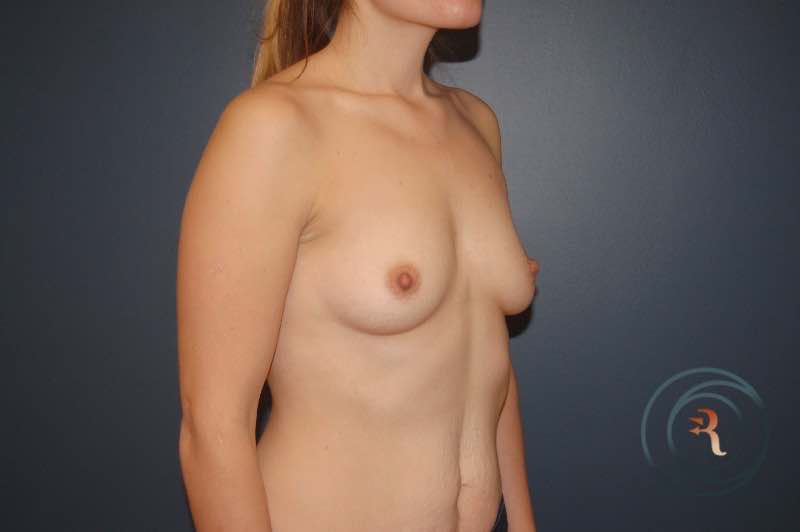
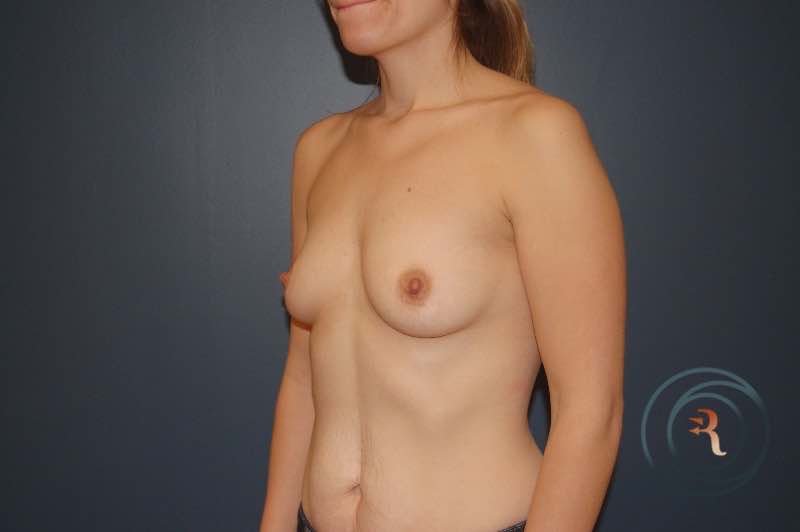
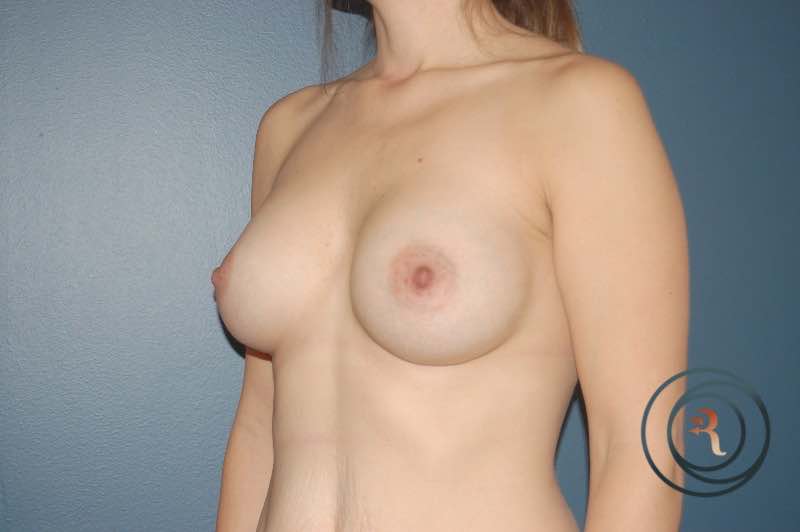
It is easy to get a good result in an ideal candidate for breast augmentation, but it is a lot harder to get a good result in a patient who is not an ideal candidate. Dr. Rafizadeh carefully evaluates each patient’s anatomy, skin quality, existing breast tissue, and goals before recommending an implant brand, type, size, and placement.
“Breast symmetry is very critical and often difficult to achieve if one doesn’t master the breast surgical techniques of reduction, lift, and augmentation. Safety was always my #1 concern — I evaluate each patient individually to select the right implant for their anatomy and goals.”
— Dr. Farhad Rafizadeh, MD FACS
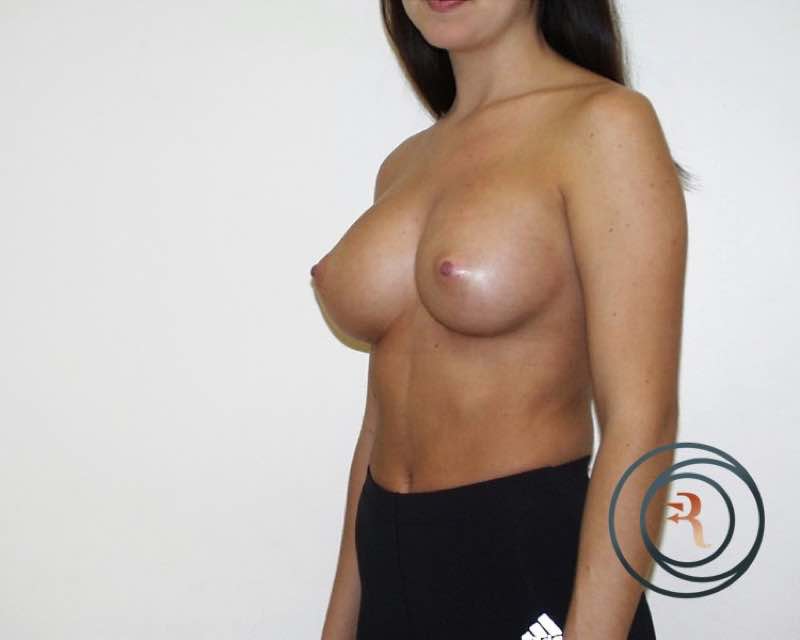
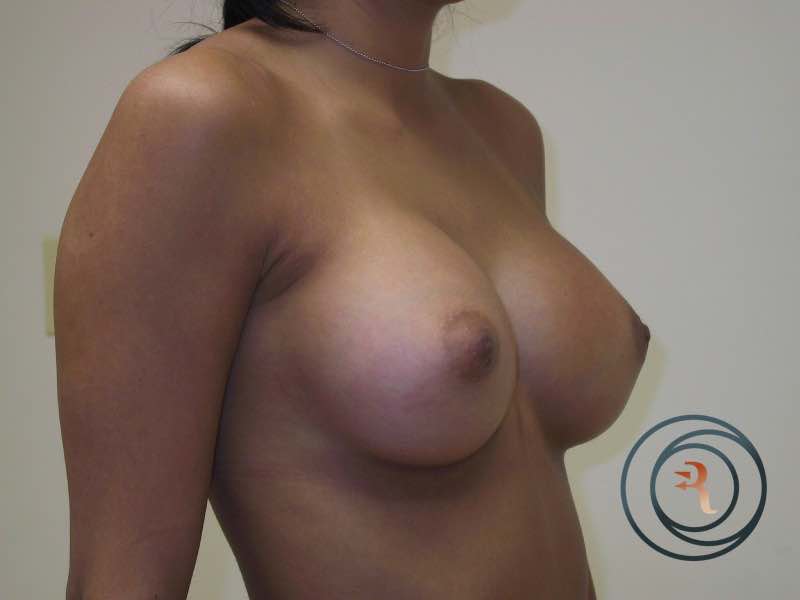
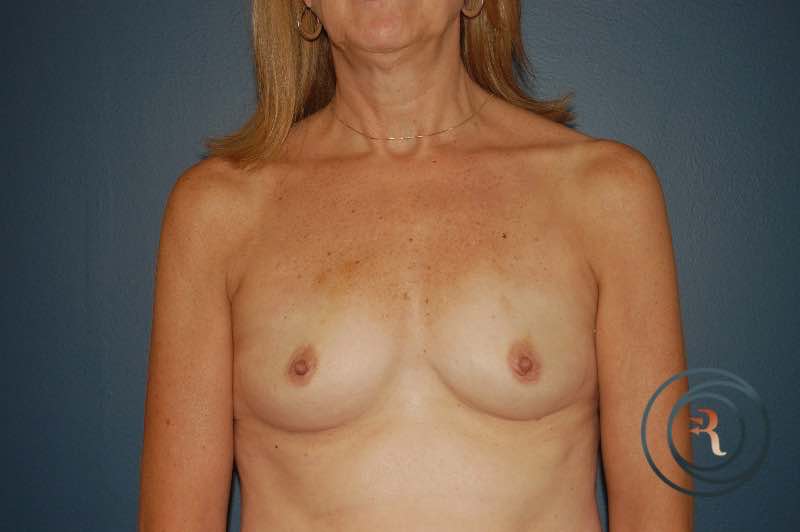
Breast Augmentation Results
Every result below is an actual patient of Dr. Rafizadeh. Tap any case to view additional angles side by side. View the full gallery →






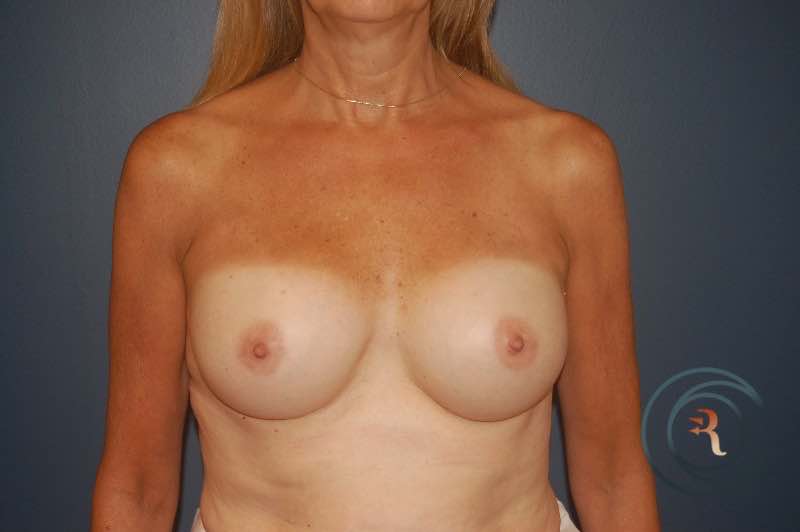

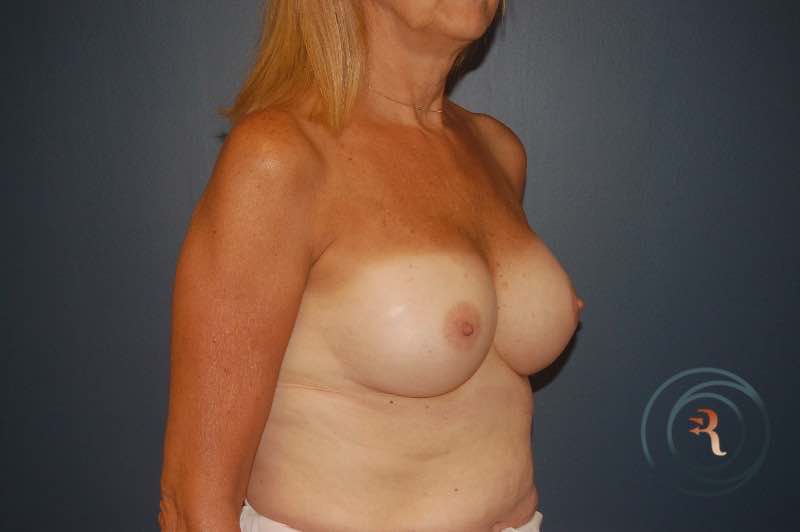
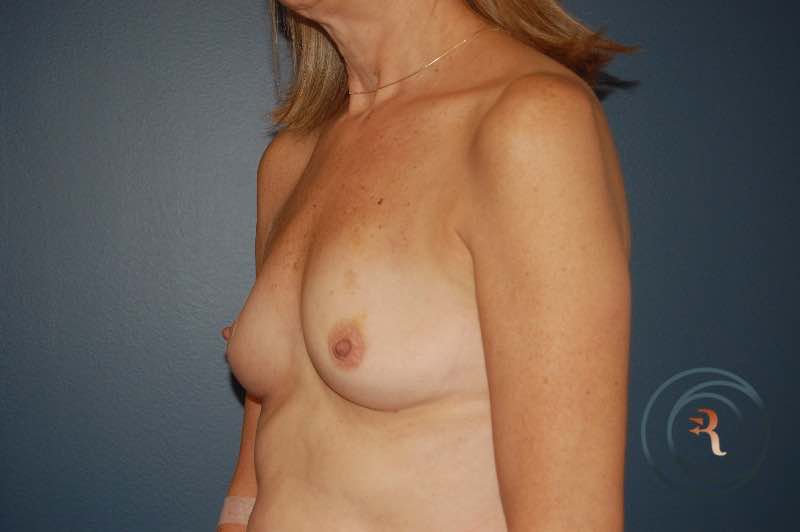
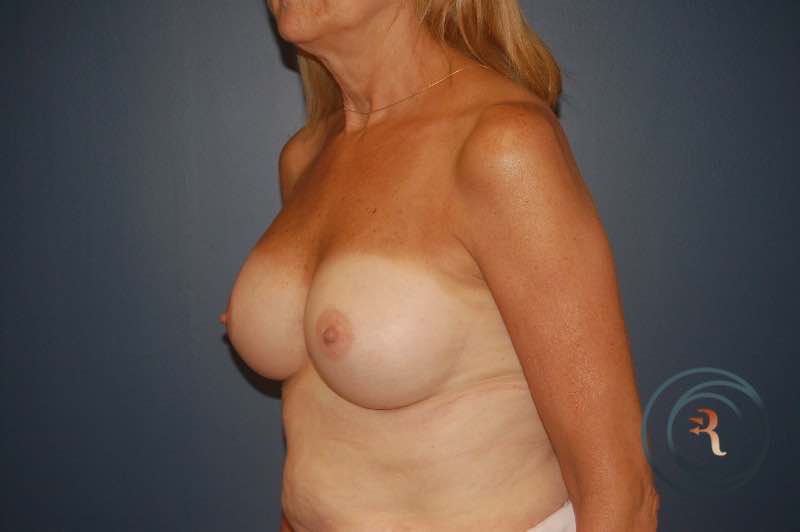



Am I a Good Candidate?
The best candidates for breast augmentation are women in good general health, at or near a stable weight, who have realistic expectations about the outcome. Most patients are looking to increase breast volume, improve symmetry, restore fullness lost after pregnancy or weight changes, or feel more proportionate in their frame.
Saline implants are FDA-approved for women 18 and older; silicone gel implants — including all Motiva styles — are approved for cosmetic augmentation in women 22 and older. Patients who smoke, have significant uncontrolled medical conditions, or who have very unrealistic size expectations may need to address those factors before surgery. Dr. Rafizadeh conducts a thorough in-person consultation to assess candidacy and tailor the procedure to your individual anatomy.

Implant Brands: Allergan, Mentor & Motiva
Dr. Rafizadeh offers the three leading implant brands used by board-certified plastic surgeons today:
Allergan (Natrelle)
One of the most widely used and extensively studied implant lines in the world. Allergan’s Inspira portfolio offers round silicone gel implants across three levels of cohesivity and five projection profiles, giving surgeons the ability to fine-tune firmness and upper pole shape for each patient. All Natrelle gel implants are backed by Allergan’s ConfidencePlus® Premier Warranty program, which includes lifetime implant replacement and financial assistance in the event of rupture or Grade III/IV capsular contracture.
Mentor
Another FDA-approved industry leader offering saline and silicone gel implants including the MemoryGel® line, known for a highly cohesive “gummy bear” gel that holds its shape and provides a natural look and feel. Mentor implants have decades of clinical data supporting their safety and durability, with comprehensive warranty coverage for added long-term peace of mind.
Motiva
A next-generation ergonomic implant featuring SilkSurface® technology and progressive gel formulations designed to adapt naturally to the body. FDA-approved in the United States in 2023, Motiva implants have been used in more than 86 countries for over 14 years with an exceptional safety and complication profile. Motiva is increasingly the implant of choice for patients seeking the softest, most natural-feeling result — and the lowest available capsular contracture risk.
Motiva Breast Implants: Technology & Lowest Capsular Contracture Rate
Motiva Implants® by Establishment Labs® represent the most significant advancement in breast implant technology in the past decade. After an extensive international clinical track record spanning 14+ years and over 86 countries, Motiva received FDA approval in the United States in 2023. Dr. Rafizadeh offers both Motiva styles for patients seeking the latest in implant technology at his Morristown, NJ practice.
The most technically innovative breast implant currently available. Ergonomix implants are filled with ProgressiveGel ULTIMA®, a proprietary gel formulation engineered to respond dynamically to body position: the implant adopts a rounder shape when the patient is lying down and transitions to a natural teardrop contour when upright. This positional adaptation mimics the gravitational behavior of native breast tissue more closely than any conventional fixed-shape implant. The result is a breast that looks and moves naturally in every position — lying down, standing, or in motion.
Features ProgressiveGel PLUS®, which provides enhanced upper pole fullness and a consistently round profile whether the patient is upright or reclined. The round style suits patients who want defined upper pole volume with a soft, natural feel throughout.
Both Motiva styles are available in three projection levels — Mini, Demi, and Full — allowing Dr. Rafizadeh to customize the degree of enhancement based on each patient’s chest width, existing tissue, and aesthetic goals.
The shell surface of every Motiva implant uses a nano-scale SilkSurface finish engineered for enhanced biocompatibility. This proprietary surface promotes softer, less structured capsule formation around the implant — and is the core reason for Motiva’s exceptionally low capsular contracture rate. Clinical data has shown Motiva implants carry a capsular contracture rate of approximately 0.5%, compared to rates of 10–30% reported with many conventional smooth implants. For patients with a history of capsular contracture, or for anyone who wants to minimize that risk from the outset, Motiva is often the most appropriate choice.
The Motiva shell is engineered as a single unified structure rather than separately bonded layers, improving long-term durability and reducing the likelihood of shell delamination or failure over time.
During your consultation, Dr. Rafizadeh will discuss whether Motiva, Allergan, or Mentor is best suited to your anatomy, tissue characteristics, and aesthetic goals.
→ Motiva Breast Implants NJErgonomix® shape-adaptive technology, SilkSurface® with ~0.5% capsular contracture rate, FDA approval, and full technology breakdown.Round vs. Shaped (Teardrop) Implants
All three implant brands Dr. Rafizadeh offers are available in both round and anatomically shaped (teardrop) silicone gel formulations. Understanding the distinction helps clarify which design best fits your anatomy and goals.
| Round Implants | Shaped (Anatomical or Teardrop) Implants |
|---|---|
| Round implants are symmetrical and provide uniform projection across the entire surface, producing a full, rounded breast contour with defined upper pole fullness. Because round implants look the same regardless of orientation, rotation is never a concern. They are the most widely placed implant design in the United States and remain the standard of care for the majority of cosmetic breast augmentation patients. | Shaped (anatomical or teardrop) implants taper toward the upper pole and are fuller at the lower pole — mirroring the natural slope of the breast. They tend to provide a more subtle, graduated upper pole for patients who prefer less upper chest projection. Because shaped implants are not symmetrical, precise pocket placement is essential to prevent rotation, which would visibly distort the shape. |
The Motiva Ergonomix® bridges both worlds: it is a round implant filled with ProgressiveGel ULTIMA® that dynamically shifts between a round profile when lying down and a natural teardrop contour when standing. This position-adaptive behavior delivers the natural slope of a shaped implant without the rotation risk — and is currently unique to Motiva. Dr. Rafizadeh evaluates each patient’s anatomy and aesthetic goals to recommend the optimal implant shape; there is no universally “best” choice — only the best choice for your specific anatomy.
Choosing the Right Implant Size
Implant size is measured in cubic centimeters (cc) — not cup sizes. The bra industry has no universal sizing standard, which means cup size cannot reliably predict your surgical outcome. Two patients can achieve dramatically different apparent sizes from the same cc implant because of differences in chest width, existing breast tissue, skin laxity, and body frame.
The right implant volume is determined by several measurements taken during your consultation: chest wall width, breast base diameter, the amount and quality of existing tissue, and the degree of skin stretch. Dr. Rafizadeh also considers your aesthetic goals — whether you prefer a subtle, proportionate enhancement or a more noticeable volume increase. Bringing reference photos to your consultation is helpful: not to copy another person’s result exactly, but to communicate your preferences in terms of shape, profile, and degree of fullness.
During consultation, physical sizers placed inside a fitted bra can give you a tangible sense of relative volume differences. The goal is always a result that looks proportionate and completely natural to your frame — not “implant-dependent” in appearance.
Implant Profiles & Projection Options
Beyond volume, every breast implant is available in multiple projection profiles that determine how far the implant projects forward from the chest wall relative to its base diameter. Choosing the correct profile matters as much as choosing the correct cc volume — a profile mismatch can result in an implant that looks too wide, overhangs the chest wall, or produces an unnatural appearance regardless of size.
| Profile | Best Suited For |
|---|---|
| Low profile | Widest base diameter, least forward projection. Best suited to patients with a naturally broad chest who want modest volume gain without significant forward projection. |
| Moderate profile | The most commonly placed profile. A balanced projection-to-base ratio that works well for patients with average chest dimensions. |
| High profile | Narrower base with greater forward projection. Preferred by patients with a slimmer frame or narrower chest who want visible upper pole fullness. |
| Extra-high (ultra-high) profile | Maximum forward projection on the narrowest base — available in the Allergan Inspira and Mentor lines — suitable for patients seeking a more pronounced enhancement on a narrow chest. |
Motiva implants use a parallel framework: Mini, Demi, and Full projection levels, optimized for the Ergonomix and Round styles. Dr. Rafizadeh takes precise chest wall width and breast base measurements at your Morristown consultation and matches the implant profile to your anatomy so the result is proportionate and sits naturally — not pushed too far to the sides or projecting more than your frame can support.
Implant Placement & Incision Options
Implants can be placed either over the muscle (sub-glandular, above the pectoral muscle) or under the muscle (sub-muscular, beneath the pectoral muscle). Sub-muscular placement is the most common approach — it produces the most natural appearance in patients with thinner breast tissue, lowers the risk of capsular contracture, and allows more accurate mammography. Sub-glandular placement is sometimes preferred for patients with more existing breast tissue, those who perform heavy upper-body exercise, or when a shorter recovery is a priority.
A dual-plane technique offers the best of both approaches for many patients: the lower portion of the implant is covered by the pectoral muscle (providing superior tissue coverage), while the upper muscle is partially released to allow the implant to sit in a more anatomic, natural position. Dr. Rafizadeh evaluates each patient’s anatomy to recommend the right placement.
Incision options include the inframammary fold (most direct access, hidden in the natural breast crease), the periareolar (at the areolar edge, blends into the color transition), and the axillary (armpit) approach, which leaves no scar on the breast itself. All options are discussed during your personal consultation.
→ Implant Placement: Under vs. Over MuscleDual-plane technique, capsular contracture rates, animation, mammography, and incision options.★★★★★“Dr. Rafizadeh took the time to really understand what I was looking for. The results are exactly as I hoped — natural, proportionate, and completely in harmony with my frame.”
RealSelf Patient · RealSelf
Breast augmentation is performed at accredited Morristown facilities with continuous anesthesia monitoring throughout.
Recovery Timeline
Follow-up appointments are scheduled at approximately 1 week, 1 month, and 3 months following surgery. Dr. Rafizadeh’s team remains available throughout recovery to answer questions and monitor your progress.
→ Schedule a ConsultationMeet with Dr. Rafizadeh personally to discuss your goals, implant options, and a personalized plan. Call (973) 267-0928 or request a consultation online.Breast Augmentation Cost in New Jersey
The cost of breast augmentation surgery in New Jersey typically ranges from $6,000 to $12,000, depending on the implant brand selected, anesthesia and facility fees, and whether the procedure is being combined with a lift. Motiva implants carry a higher material cost than conventional Allergan or Mentor implants. The quoted fee at Dr. Rafizadeh’s Morristown practice includes all follow-up visits — there are no hidden charges after your procedure.
Patient financing through third-party providers is available and can be arranged prior to your surgery date. A detailed, personalized quote is provided at your consultation so you know exactly what your investment includes. Patients who cross-shop Manhattan often find that Dr. Rafizadeh offers the same board-certified, NYC-caliber expertise and FDA-approved Motiva, Allergan, and Mentor implants without big-city facility surcharges, parking costs, or long wait times — one reason so many New York City and tri-state patients make the short trip to Morristown. For a full breakdown of the factors that determine price — and why experience matters more than the lowest quote — see: Breast Augmentation Cost in NJ: What Matters More Than the Price Tag.
→ Breast Augmentation Cost in NJ: What Matters More Than the Price TagDr. Rafizadeh breaks down the $6,000–$12,000 range, what’s included, and why experience matters more than the cheapest quote.What to Expect at Your Consultation
Dr. Rafizadeh personally conducts every breast augmentation consultation — he does not delegate this to a nurse coordinator or sales staff. A typical visit at his Morristown, NJ office runs 45 to 60 minutes. You will leave with a thorough understanding of your options and a personalized implant recommendation specific to your anatomy.
During the consultation, Dr. Rafizadeh performs a physical evaluation and takes measurements that drive implant selection: chest wall width, breast base diameter, nipple-to-inframammary-fold distance, skin pinch thickness, and degree of ptosis. He will walk you through implant brand options (Allergan, Mentor, and Motiva), round vs. shaped profiles, projection level, placement technique, incision location, and whether your goals require a combined lift. Physical sizers placed in a fitted bra give you a tangible feel for how different volumes translate to your frame. Bringing reference photos is encouraged as a communication tool, not a blueprint to copy.
A detailed fee quote — covering all surgical, anesthesia, and facility fees as well as all post-operative follow-up visits — is provided at the end of your consultation. There are no hidden charges after your procedure. Patients from across northern New Jersey are welcome: those traveling from Montclair, Caldwell, Hackettstown, Bedminster, Chester, and Mendham, as well as patients from Bergen County (including Ridgewood, Wayne, Paramus, and Hackensack), Essex County, Morris County, Somerset County, Union County, Hunterdon County, Passaic County, Middlesex County (including Edison and Woodbridge), and Monmouth County regularly consult at 101 Madison Ave, Suite 105, Morristown, NJ 07960. New York City and tri-state patients are welcome as well — Morristown sits about 45 minutes from Midtown Manhattan via NJ Transit’s Midtown Direct line (Morristown station to New York Penn Station), making a consultation an easy day trip. For patients coordinating travel and surgery dates from out of the area, see our out-of-town patient information.
→ Request Your Personalized QuoteEvery quote is tailored to your anatomy and goals and includes all follow-up care. Call (973) 267-0928 or book your consultation to get started.Visualizing Your Results: Sizers, Imaging & 3D Simulation
One of the most common questions patients ask is, “Can I see what I’ll look like before surgery?” To a degree, yes — and Dr. Rafizadeh is candid about the value and the limits of each tool. The most informative method during your Morristown, NJ consultation is the physical sizer: trial implants placed inside a fitted bra let you see and feel how different volumes translate to your own frame in a real mirror, in your own clothing. Most patients find this far more useful than a screen image because it accounts for how an implant actually drapes on your tissue.
Reference photos you bring are a powerful communication tool — not to copy another person’s result, but to convey the shape, profile, and degree of fullness you prefer (and, just as helpfully, what you want to avoid). Computerized 3D imaging and simulation systems — such as VECTRA and similar platforms used at plastic surgery practices across New Jersey — can provide a helpful starting point for visualizing a proposed outcome. Dr. Rafizadeh’s view is that these simulations are approximations, not guarantees: your final result is determined by your tissue quality, chest wall anatomy, skin elasticity, and precise surgical execution, not by software. His planning is fundamentally measurement-driven — chest width, breast base diameter, and tissue thickness dictate the implant that will look natural and proportionate on you. For a deeper look at how Dr. Rafizadeh chooses an implant to suit your frame rather than overpower it, see Natural-Looking Breast Augmentation in NJ. The goal of every consultation is for you to leave with a clear, realistic understanding of what your specific anatomy can achieve.
Our own 3D imaging system lets us build a rotating, three-dimensional model of your own anatomy during your consultation, then show a proposed volume on it from every angle — not a stock photo of someone else. The example here shows a simulated 475 cc augmentation rendered on a scanned torso. Seeing a shape turn in space, next to the physical sizers in your own bra, tends to make the size conversation far more concrete than a number ever does.
Simulation shown for illustration only. A 3D preview is a planning tool, not a promise — your result is determined by your tissue, anatomy, and healing, and individual outcomes vary.
Preparing for Your Breast Augmentation
Once you and Dr. Rafizadeh have finalized your surgical plan, a short period of preparation helps ensure the safest possible procedure and the smoothest recovery. Pre-operative medical clearance — typically bloodwork, plus an EKG or physical exam when indicated — confirms you are healthy enough for elective surgery under general anesthesia at Morristown Medical Center or Morristown Ambulatory Surgery Center.
In the weeks before surgery: Stop all nicotine — cigarettes, vaping, and nicotine replacement products — at least four to six weeks beforehand. Nicotine constricts blood vessels and meaningfully impairs wound healing, so this single step is one of the most important things a patient can control. Discontinue aspirin, ibuprofen, and other blood-thinning medications and supplements (fish oil, vitamin E, and certain herbal products) on the schedule Dr. Rafizadeh provides, since they increase bleeding risk. Maintain a stable weight and a balanced, protein-adequate diet to support tissue healing.
In the days before surgery: Arrange for a responsible adult to drive you home and stay with you for the first 24 hours, fill your prescriptions in advance, and set up a comfortable recovery area with loose front-closing tops and a supportive surgical bra within easy reach. Avoid alcohol for several days beforehand and follow the fasting instructions provided for the morning of surgery. Patients traveling from outside Morris County — including Bergen, Essex, Somerset, and Union County communities such as Montclair, Livingston, Westfield, and Summit — often plan their logistics around these steps, and Dr. Rafizadeh’s team provides a written checklist so nothing is left to chance.
Anesthesia & Your Day of Surgery
Breast augmentation surgery is performed as a same-day (outpatient) procedure under general anesthesia administered by a board-certified anesthesiologist or nurse anesthetist at Morristown Medical Center or Morristown Ambulatory Surgery Center. You are fully asleep and feel nothing during the operation, and your airway, oxygen, heart rhythm, and blood pressure are continuously monitored from start to finish. Augmentation alone typically takes about one hour; when combined with a lift, plan for roughly two hours.
On the morning of surgery you will arrive having followed your fasting instructions, change into a gown, and meet your anesthesia team to review your history one final time. Dr. Rafizadeh marks the planned incisions and implant pocket while you are standing, since gravity changes breast position — precise pre-incision marking is one of the details that separates a natural result from an average one. After surgery you recover in a monitored area until you are awake and comfortable, then go home the same day in a supportive surgical bra with a responsible adult to drive you. Most patients from Morristown, Summit, Chatham, Florham Park, and the surrounding Morris County communities are home resting within a few hours of their procedure.
Additional Topics, Techniques & Combinations
Capsular Contracture: Risk & Prevention
Capsular contracture is the most common complication in breast augmentation. When any implant is placed in the body, a thin layer of scar tissue naturally forms around it — this is a normal response called a capsule. In the majority of patients, the capsule remains soft and imperceptible. Capsular contracture occurs when this capsule tightens and hardens, distorting the implant’s shape, causing firmness, and in severe cases, discomfort or pain. It is the implant’s surrounding tissue that hardens — not the implant itself.
Prevention is paramount. Standard precautions used to minimize the risk include: IV antibiotics at the time of surgery, thorough irrigation of the pocket with antibiotic solution before implant placement, minimizing implant handling with a “no-touch” technique, and sub-muscular implant placement, which is consistently associated with a lower capsular contracture rate than sub-glandular placement.
Implant selection also plays a significant role. Motiva’s SilkSurface® nano-texture has demonstrated a capsular contracture rate of approximately 0.5% in clinical studies — compared to 10–30% with many conventional implants. For patients who have previously experienced capsular contracture, or who have anatomy or risk factors that elevate concern, Motiva is often the most appropriate implant option. Learn more: Capsular Contracture: Signs, Prevention & Treatment in NJ.
→ Capsular Contracture: Signs, Prevention & Treatment in NJWhat causes it, how to minimize risk, and when revision is necessary.★★★★★“I appreciated that Dr. Rafizadeh walked me through every implant option and explained the differences clearly. His commitment to safety and his decades of experience made my decision easy.”
Google Patient · Google
Breast Implant Safety & Longevity
All three implant brands Dr. Rafizadeh offers — Allergan, Mentor, and Motiva — are FDA-approved and have undergone rigorous clinical evaluation. Modern cohesive silicone gel implants (sometimes called “gummy bear” implants for their firm, form-stable consistency) are engineered so that the gel remains contained even if the outer shell is disrupted, substantially improving on older-generation silicone devices.
BIA-ALCL: Breast implant-associated anaplastic large cell lymphoma (BIA-ALCL) is a rare type of immune-system cancer linked specifically to macro-textured implant surfaces. Dr. Rafizadeh has never placed macro-textured implants in his 40+ year career — he was never convinced they provided a meaningful clinical benefit, and they have since been associated with elevated complication rates. All implants currently offered at his Morristown, NJ practice use smooth or nano-surface shells (SilkSurface® in the case of Motiva), which carry no documented BIA-ALCL risk. Learn more: BIA-ALCL & Breast Implants Explained.
Longevity: Modern breast implants are designed to last 10–20 years or longer in many patients, though they are not marketed as lifetime devices. The FDA recommends periodic monitoring — including MRI or ultrasound screening for silent rupture in silicone implants. Many patients go well over a decade without any need for revision; others choose to update their implants as preferences or anatomy evolve. Learn more: How Long Do Breast Implants Last?
→ How Long Do Breast Implants Last?Longevity, replacement timelines, and what modern Motiva/Allergan/Mentor data actually shows.No-Touch Insertion & Infection Prevention
How an implant is handled during surgery has a direct effect on long-term outcomes. Bacterial contamination of the implant surface at the time of placement is one of the leading suspected contributors to capsular contracture, so minimizing any contact between the implant and the skin, glove, or surrounding environment is a core part of a meticulous augmentation.
Dr. Rafizadeh uses a no-touch insertion technique in which the implant is delivered into the pocket without being handled directly. Many surgeons accomplish this with a Keller Funnel — a sterile, cone-shaped delivery sleeve that allows a pre-filled silicone implant to be guided through a smaller incision and into the pocket without touching skin or gloves. Combined with IV antibiotics at the time of surgery, antibiotic pocket irrigation, careful nipple shielding, and precise pocket creation, no-touch delivery is part of a comprehensive protocol designed to keep the contamination risk — and therefore the capsular contracture risk — as low as possible. Reducing implant handling can also limit incision length and tissue trauma, which may contribute to a more comfortable early recovery.
What Breast Augmentation Can — and Cannot — Correct
Breast augmentation is highly effective for specific concerns, but understanding its scope leads to better outcomes. Conditions well suited to implant-based augmentation include: small or underdeveloped breasts that feel disproportionate to the frame; volume loss following pregnancy, nursing, or significant weight change; breast asymmetry where one side is noticeably smaller (implants of different sizes can be used to improve balance); post-weight loss deflation where breast position is still adequate; and a desire for fuller upper pole projection that clothing and undergarments cannot achieve. Patients across Morris County, Somerset County, and Union County, New Jersey routinely present with these concerns at Dr. Rafizadeh’s Morristown practice.
What augmentation cannot do on its own is lift. Implants add volume — they do not reposition the breast on the chest wall. Placing an implant in a breast with significant nipple descent or loose, sagging skin can make the breast appear lower and heavier, not more youthful. Patients with meaningful ptosis generally require an augmentation with lift (augmentation mastopexy) to achieve a balanced, elevated result. Dr. Rafizadeh evaluates the degree of ptosis, skin elasticity, and existing tissue at every consultation and recommends the approach — implant alone or implant with lift — that will produce the most lasting and natural outcome for your specific anatomy.
Combining Procedures: Mommy Makeover
Many patients seeking breast augmentation in New Jersey have experienced pregnancy and childbirth, which can affect not just the breasts but the entire body contour. A mommy makeover combines breast augmentation — with a lift if needed — with complementary body procedures such as a tummy tuck and liposuction in a single surgical session. Combining procedures reduces total anesthesia time, overall recovery, and cost compared to staging each operation separately.
Dr. Rafizadeh evaluates each patient’s overall goals during consultation to determine whether a combined approach is appropriate and safe given the total scope of work. Patients from across Morris and Somerset County — Parsippany, Basking Ridge, Bernardsville, Warren, Westfield, and surrounding communities — frequently inquire about mommy makeover combinations. Candidacy depends on your health status, the procedures involved, and expected operative time.
Augmentation with Lift
When significant breast ptosis (sagging) is present, augmentation alone may not produce the desired result. Adding volume without correcting position can make sagging more noticeable, not less. Dr. Rafizadeh has approximately 28 years of experience performing augmentation mastopexy — augmentation combined with a lift in a single operation — one of the most technically demanding procedures in breast surgery. He assesses each patient’s degree of ptosis, skin quality, and desired size to determine whether a one-stage or two-stage approach offers the best and safest outcome. Learn more on the augmentation with lift page.
→ Breast Augmentation with LiftWhen you need both volume and position correction, the tension trade-off, and staged vs. single-session approaches.Fat Transfer Breast Augmentation in New Jersey
For patients seeking a subtle, natural increase in breast size without a silicone or saline implant, fat transfer breast augmentation — also called autologous fat grafting to the breast — offers a meaningful alternative. Fat is harvested via liposuction from areas of excess (typically the abdomen, flanks, or thighs), processed, and injected into the breast to add modest volume. Because it uses the patient’s own tissue, there are no implants to monitor or replace over time.
Fat transfer breast augmentation is best suited for patients who want a subtle enhancement — typically a modest size increase rather than a dramatic transformation — and who have sufficient donor fat available. It does not provide the same degree of upper pole fullness or projection achievable with implants, and is not the right choice for patients seeking a significant size change. It can, however, serve as a useful adjunct: refining the result of implant-based augmentation, correcting mild breast asymmetry, or softening an implant edge in a thin patient. Dr. Rafizadeh discusses fat grafting options with patients from across Morris County, Somerset County, Bergen County, and Union County, New Jersey who prefer to explore implant-free or complementary approaches during consultation at his Morristown, NJ office. For a full discussion of candidacy, the expected half-to-one cup size increase, fat survival, and composite (hybrid) augmentation, see our dedicated fat transfer breast augmentation page.
Breast Implant Removal & Revision in New Jersey
An increasing number of women seek consultation not for breast augmentation but to remove or replace existing implants — a procedure commonly called explant surgery. Whether prompted by implant age, a change in aesthetic preferences, capsular contracture, suspected rupture, or a simple desire to return to a natural breast contour, Dr. Rafizadeh provides comprehensive evaluation and management for patients with existing implants at his Morristown, NJ practice. For a full discussion of removal options, total versus en bloc capsulectomy, and breast implant illness, see our dedicated breast implant removal (explant) page. For patients who want to keep implants but change or correct them — exchange, downsizing, or contracture repair — see the dedicated breast implant revision page.
Common reasons patients present for implant removal or a breast implant exchange (replacing older implants with newer ones) include:
- Implant age and a desire to update to newer technology
- Capsular contracture — especially from implants placed elsewhere
- Implant rupture confirmed or suspected on MRI or ultrasound
- A change in size preference
- Significant life changes such as post-pregnancy body transformation
- General wellness concerns
Explant surgery can be performed with or without capsulectomy (removal of the surrounding scar capsule). When capsulectomy is appropriate — for example, in the setting of capsular contracture, calcification, or specific patient concerns — the extent and approach (including en bloc and total capsulectomy) are determined at your individual consultation. For more on this topic, see breast implant illness, explant & en bloc capsulectomy.
Many patients requesting implant removal simultaneously evaluate whether a breast lift would address changes in breast shape or position that have developed over years of implant placement. These decisions are made on a highly individual basis. Patients throughout Morris County, Bergen County, Essex County, Passaic County, Somerset County, and Middlesex County, NJ who have concerns about existing implants — whether placed by Dr. Rafizadeh or by another surgeon — are welcome to schedule an evaluation at 101 Madison Ave, Suite 105, Morristown, NJ 07960.
→ Considering Augmentation, Revision, or Explant?Dr. Rafizadeh reviews your anatomy and goals one-on-one and recommends the safest, most natural plan for you. Schedule a consultation or call (973) 267-0928 — New Jersey and NYC tri-state patients welcome.Transaxillary — “Scarless” Breast Augmentation
Patients who want to avoid any scar on the breast itself often ask about the transaxillary (armpit) approach — sometimes marketed as “scarless” breast augmentation because the only incision is hidden in a natural fold of the armpit, leaving the breast skin and areola untouched. With endoscopic assistance — a small camera that lets the surgeon create and position the implant pocket under direct vision through the distant incision — the technique can be performed with precision and good control of pocket dimensions.
The transaxillary route is most commonly used with saline implants, which are inserted empty through the small armpit incision and then filled once positioned. Pre-filled silicone gel implants are larger and generally call for an incision on or near the breast (inframammary or periareolar). The approach is not right for every patient or every implant, and revisions through the armpit can be more challenging if they are ever needed. Dr. Rafizadeh reviews all incision options — inframammary, periareolar, and transaxillary — at your Morristown, NJ consultation and recommends the one that best fits your implant choice, anatomy, and goals. The truly “scarless” alternative for the right candidate is fat transfer augmentation, which uses tiny liposuction access points rather than a breast incision.
Tuberous & Constricted Breast Correction
Not every breast that looks “small” is simply underdeveloped. Some women have tuberous (also called tubular or constricted) breasts — a developmental variation in which a tight constriction ring at the base of the breast limits its width and lower-pole fullness, often producing a narrow, elongated shape, a high or puffy areola, a wide gap between the breasts, or noticeable asymmetry between the two sides. A standard implant placed into a constricted breast without addressing the underlying anatomy can exaggerate these features rather than improve them.
Correcting a tuberous or constricted breast is a more nuanced operation than routine augmentation. Depending on severity, it may involve releasing or scoring the constricted tissue to allow the lower pole to expand, reshaping or reducing an enlarged areola, and selecting an implant sized and positioned to balance the two breasts — occasionally as a staged plan. This is precisely the kind of asymmetry and shaping challenge Dr. Rafizadeh refers to when he notes that “breast symmetry is very critical and often difficult to achieve.” For a deeper look at how shape and implant choice work together in these cases, see correcting tuberous breast shape with implants. Patients across Morris, Essex, Somerset, and Union County, New Jersey who have been told their breast shape makes them “not a simple case” are welcome to schedule an individualized evaluation at his Morristown office.