Gynecomastia Surgery
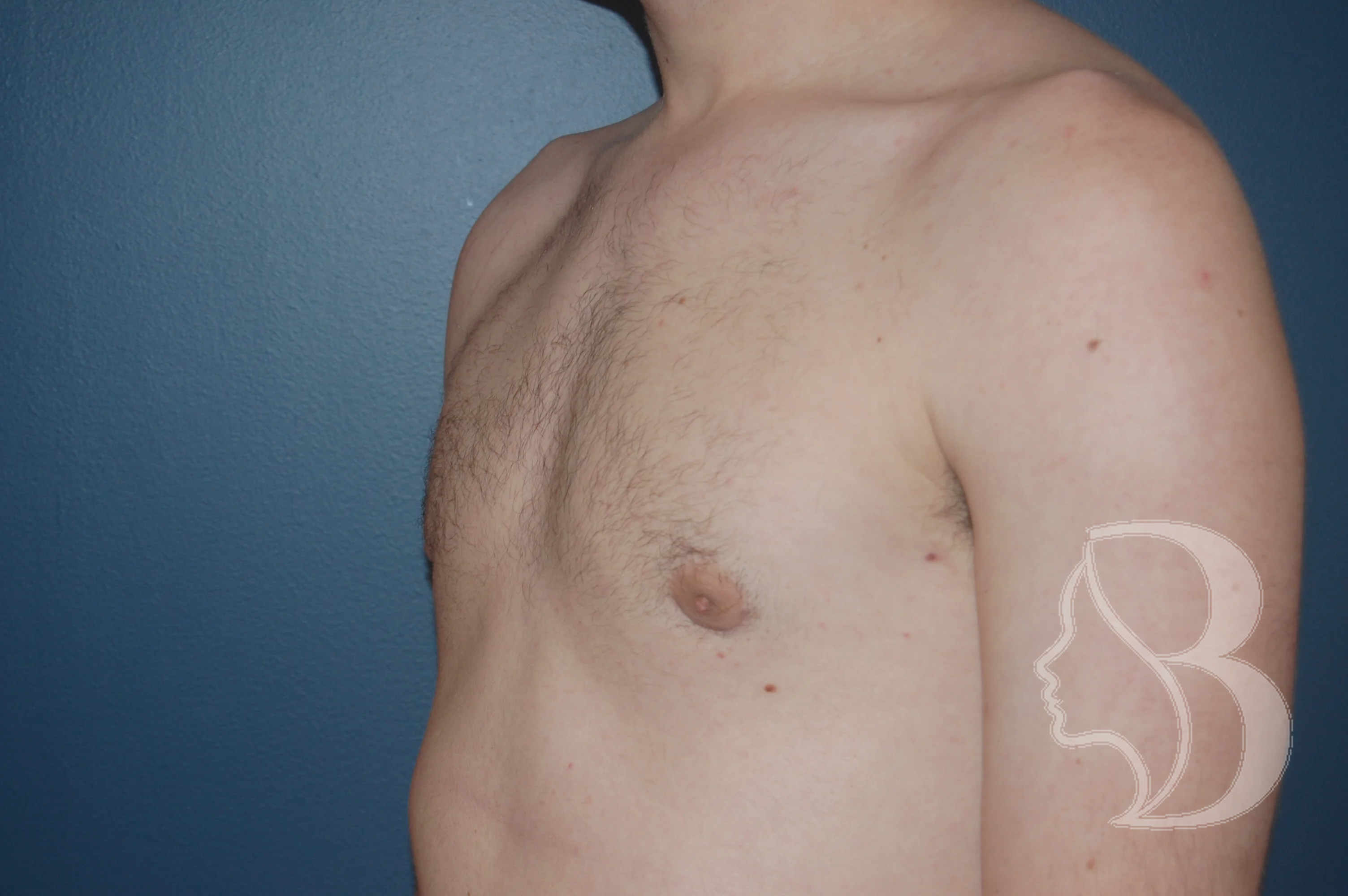
Gynecomastia — enlargement of the male breast — is far more common than most men realize, affecting an estimated 40 to 60 percent of men at some point in life. For many it is a lifelong source of self-consciousness: a fullness of the chest that does not respond to diet, exercise, or weight loss because it is driven by firm glandular tissue, not just fat. Gynecomastia is now the second most common cosmetic surgery among men in the United States, and demand has continued to rise as more men seek correction. Dr. Rafizadeh has treated male chest contour for more than 40 years in Morristown, NJ, with a discreet, results-focused approach.
“Gynecomastia is rarely just fat. There is almost always a firm button of glandular tissue under the areola that liposuction alone cannot remove. I combine liposuction to debulk and feather the fatty component with direct excision of the gland through a small incision hidden at the edge of the areola. That combination is what gives a truly flat, firm, masculine chest.”
— Dr. Farhad Rafizadeh, MD FACS
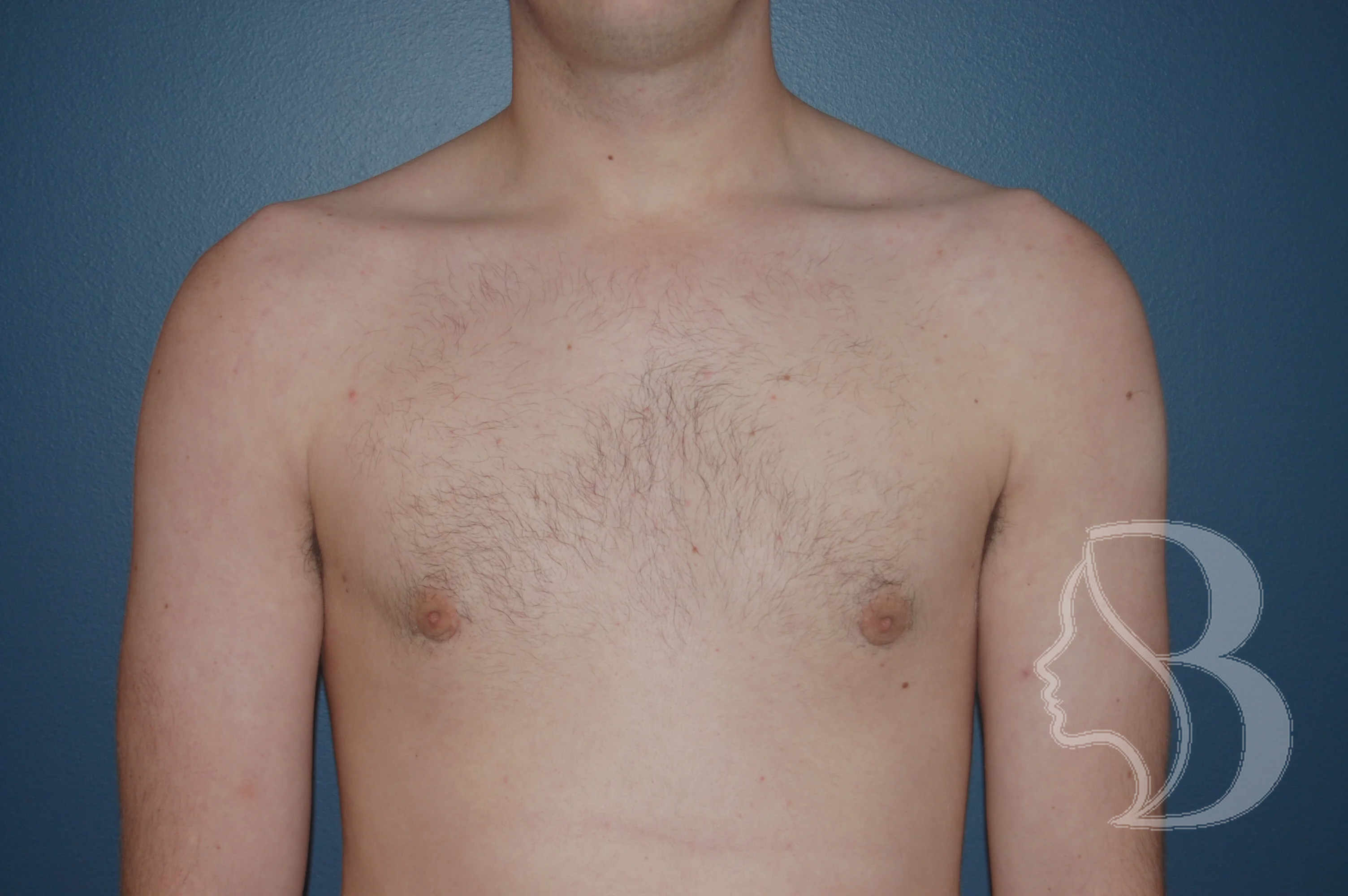
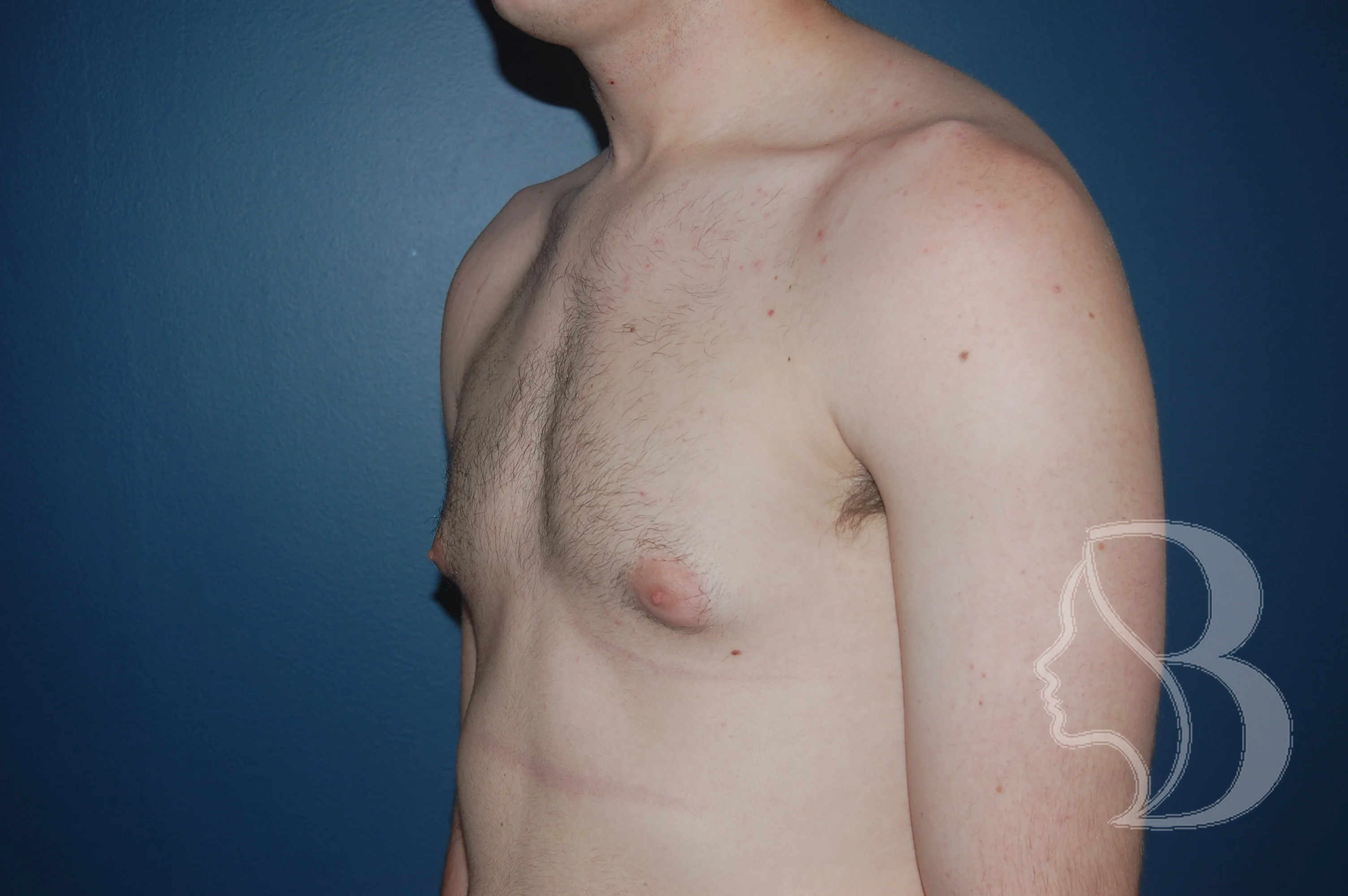
Gynecomastia Before & After
View Full Gallery →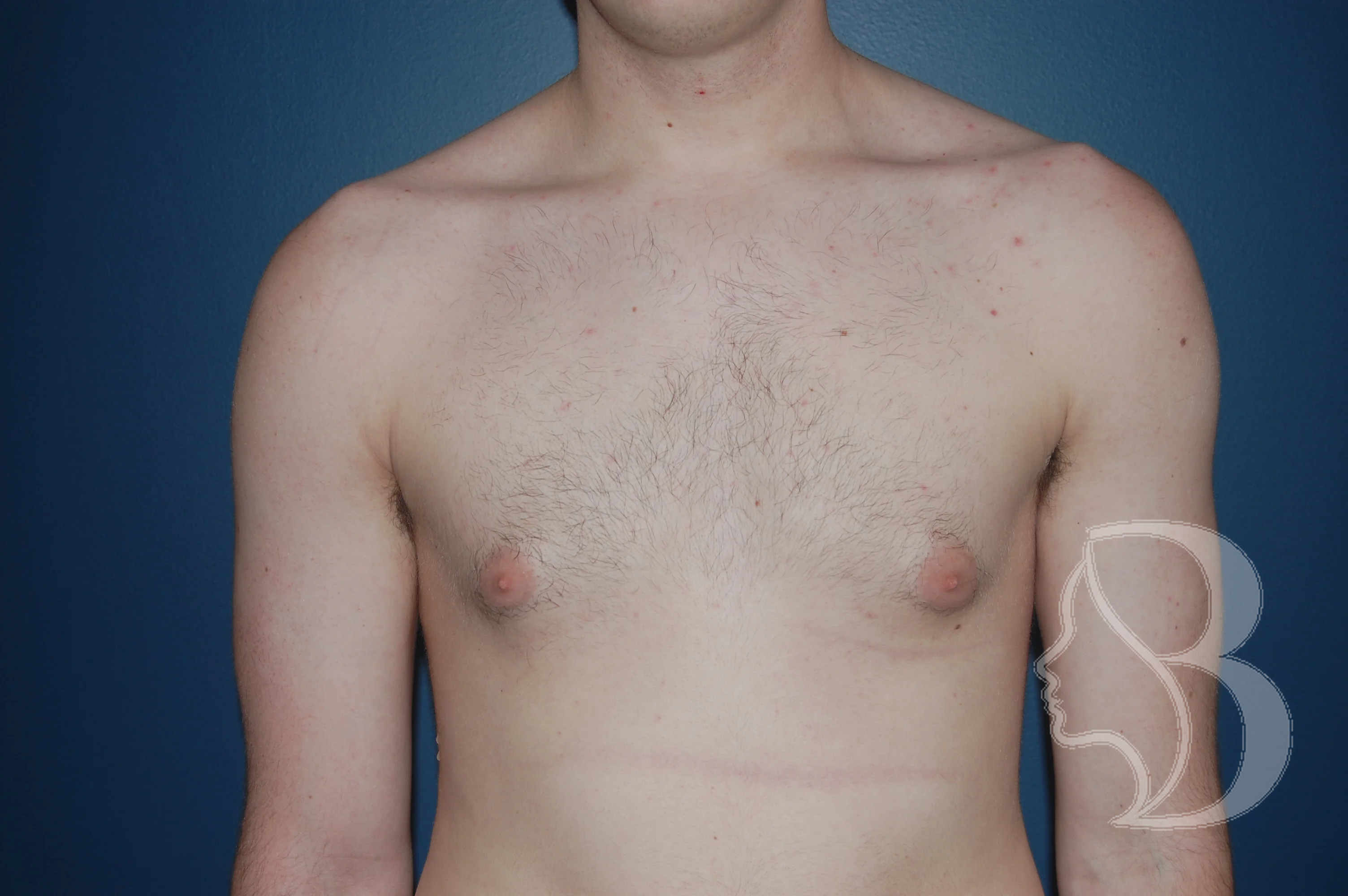


What Causes Gynecomastia
Gynecomastia results from an imbalance between estrogen and testosterone activity in the breast tissue. The most common triggers are the hormonal shifts of puberty (which often persist into adulthood), the natural hormonal changes of aging, and weight gain, which increases both fat and the conversion of testosterone to estrogen. Other contributors include anabolic steroid use, marijuana use, certain prescription medications, and some medical conditions. Because true glandular gynecomastia does not respond to weight loss, men who slim down — including those on GLP-1 medications — are often surprised to find the chest fullness remains. When that happens, surgery is the only reliable correction.
→ Schedule a ConsultationMeet with Dr. Rafizadeh personally to discuss your goals and a personalized plan. Call (973) 267-0928 or request a consultation online.Dr. Rafizadeh's Approach
Liposuction of the fatty component. Through one or two tiny incisions, Dr. Rafizadeh uses liposuction to remove excess fat across the chest and to feather the edges so the result blends naturally into the surrounding contour. In the small subset of men whose gynecomastia is purely fatty with good skin tone, liposuction alone may be sufficient.
Direct excision of the gland. For the great majority of patients, the firm glandular disc beneath the nipple must be removed surgically. Dr. Rafizadeh excises it through a small incision placed at the lower border of the areola, where the scar is camouflaged by the natural change in skin color. A conservative amount of tissue is left behind the nipple to avoid a depressed or “saucer” deformity — a common pitfall when too much is removed.
Skin tightening when needed. Most men have enough skin elasticity for the chest to redrape on its own. After major weight loss, or in higher-grade gynecomastia with significant skin excess, skin tightening or nipple repositioning may be added. Dr. Rafizadeh assesses skin quality carefully and recommends the least invasive plan that will still produce a clean, masculine result.
The Procedure & Anesthesia
Gynecomastia surgery is performed as an outpatient procedure under local anesthesia with sedation, with general anesthesia available for patients who prefer it or for more extensive corrections. When the correction is primarily fatty and limited in extent, the liposuction portion can often be done as awake liposuction under local anesthesia. The operation typically takes one to two hours. A compression vest is applied at the end of surgery to control swelling and help the skin redrape to the new contour.
Recovery Timeline
Gynecomastia Surgery in New Jersey
Dr. Rafizadeh performs gynecomastia surgery (male breast reduction) in Morristown, NJ for men from throughout New Jersey — including Essex, Morris, Union, Somerset, and Bergen counties — as well as patients traveling from New York City. Discretion and a natural, masculine result are the priorities at every step. Many patients combine the procedure with liposuction of the flanks or abdomen for a more complete contour, and men correcting their chest after significant weight loss often pair it with post-weight-loss body contouring.