Breast Lift (Mastopexy)
The shape and position of the breast is determined by the consistency of the breast tissue and the tension of the overlying skin. This can change with time, breastfeeding, weight loss, or simply due to individual genetics. A breast lift corrects this by removing excess skin, reshaping the underlying breast tissue, and repositioning the nipple and areola to a more youthful, natural height. When the breast changes followed childbearing, many patients combine the lift with a tummy tuck and liposuction as a mommy makeover in NJ — restoring the breasts and abdomen together in a single surgery and recovery.
Dr. Rafizadeh has an extensive experience in breast surgery in Morristown, New Jersey. He uses a wide variety of breast lift techniques depending on the specific needs of the patient — always aiming to keep the scars the shortest possible while still achieving the best breast shape. As a board certified plastic surgeon in NJ, he has refined these techniques over four decades of practice in Morristown.
“The most cost effective way is to do it once and get good results. These are not the easiest operations — I see many patients in my office who had the procedure done elsewhere and are dissatisfied. Find a plastic surgeon with a lot of experience in breast reshaping who can get you the best result in one operation.”
— Dr. Farhad Rafizadeh, MD FACS
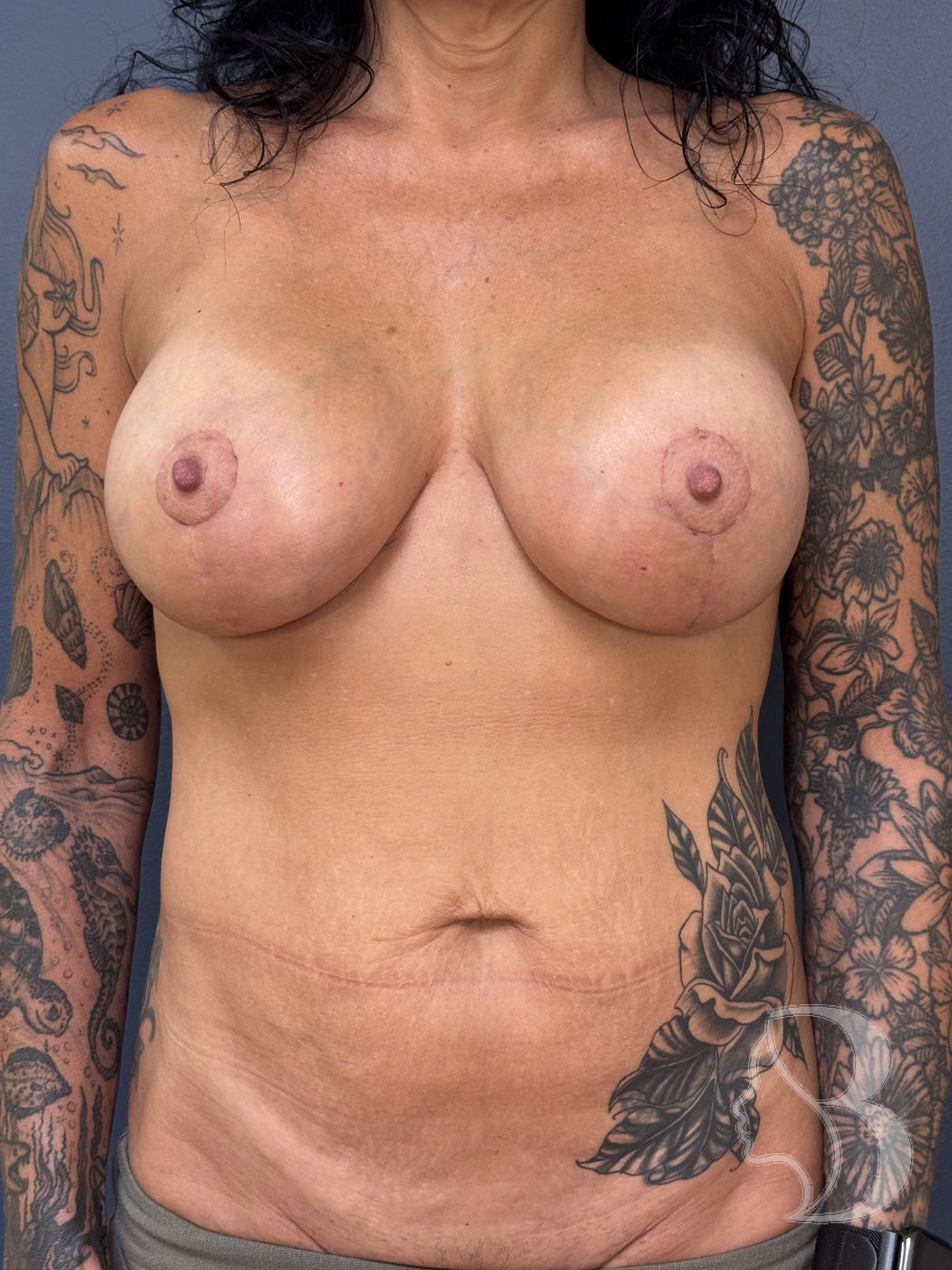
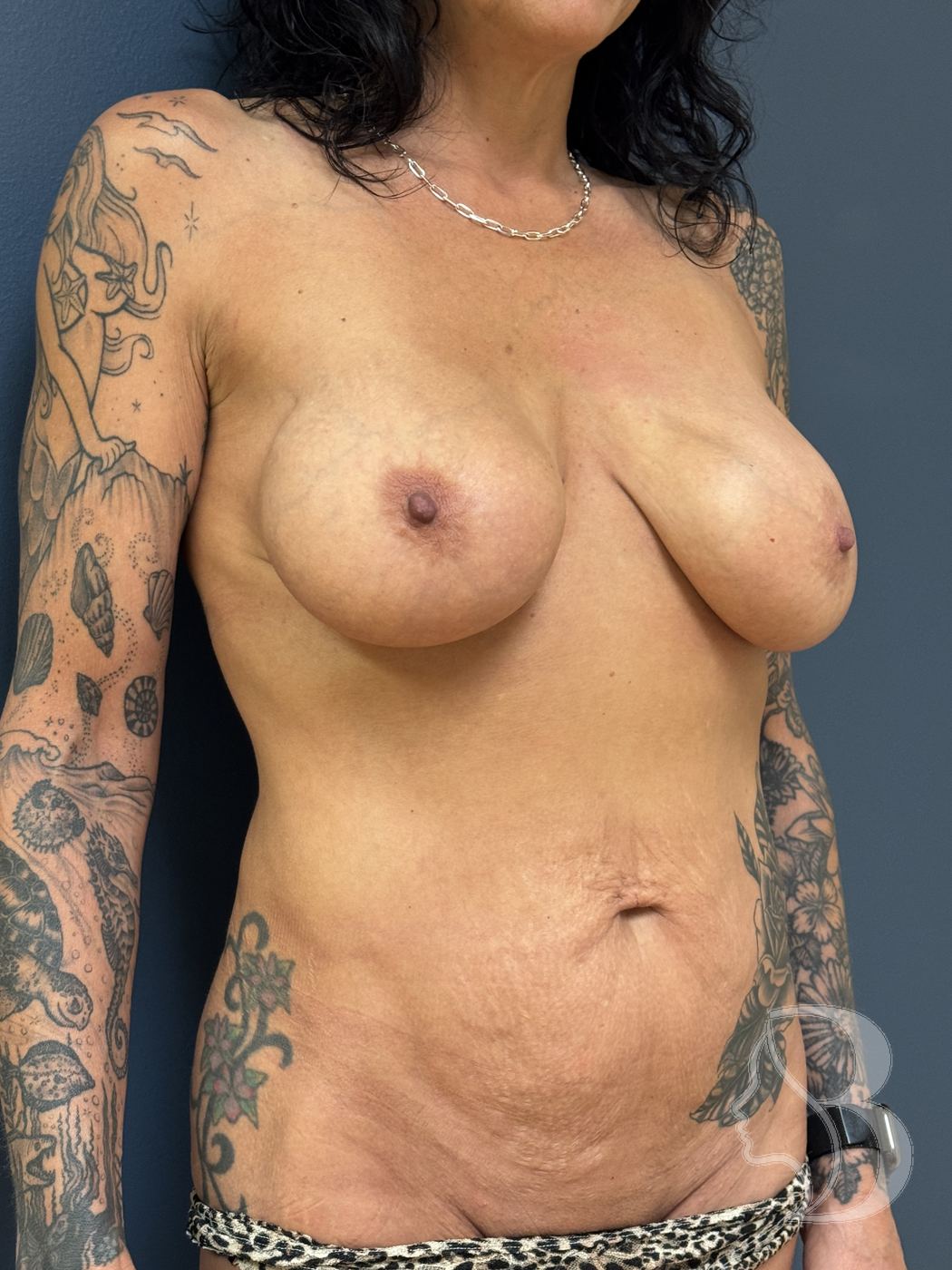
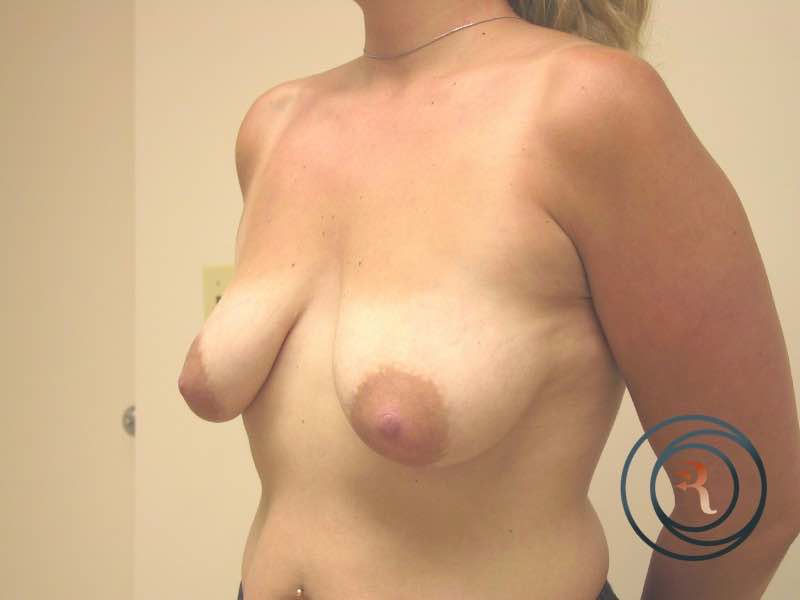
Breast Lift Before & After
View Full Gallery →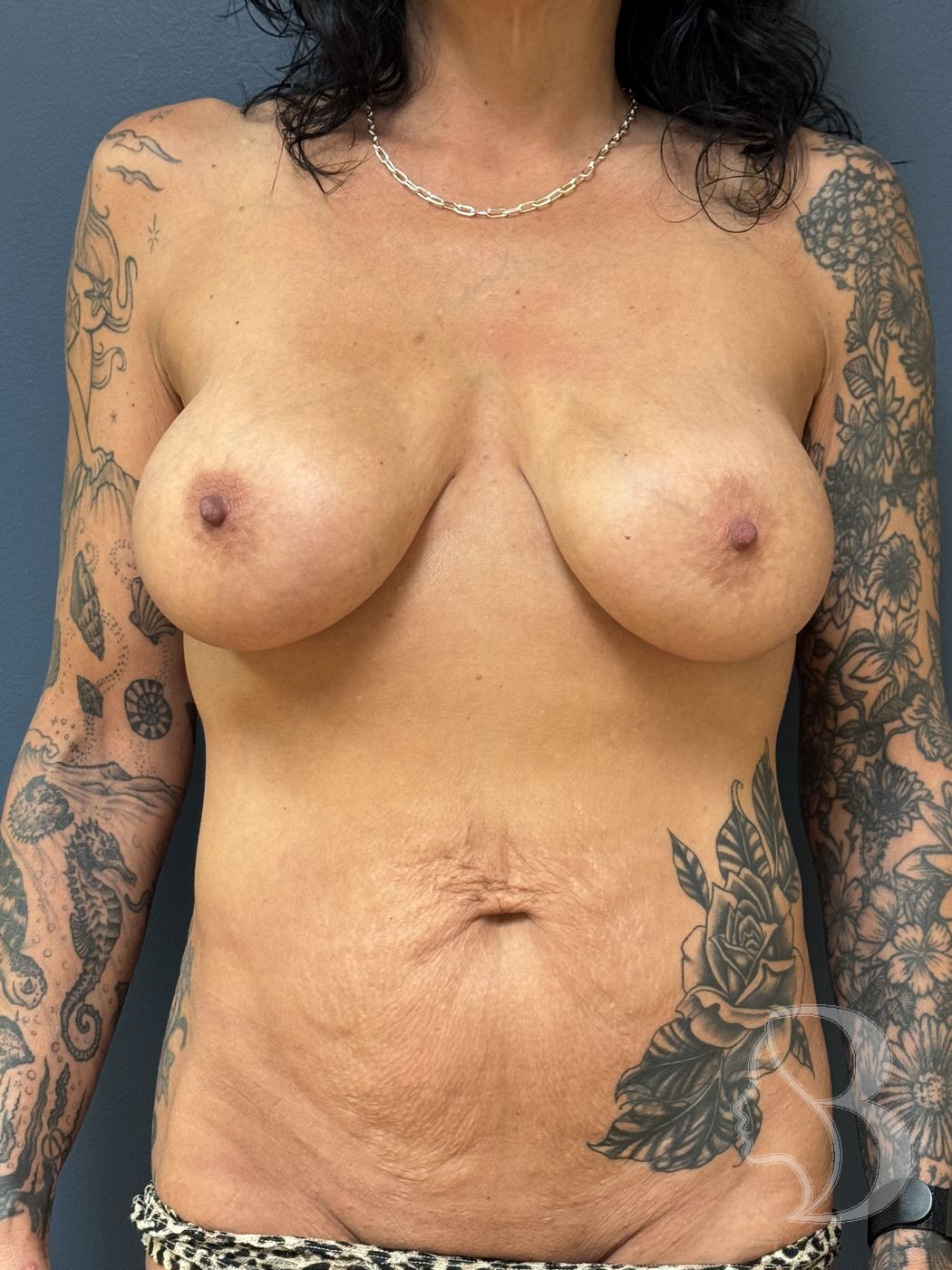
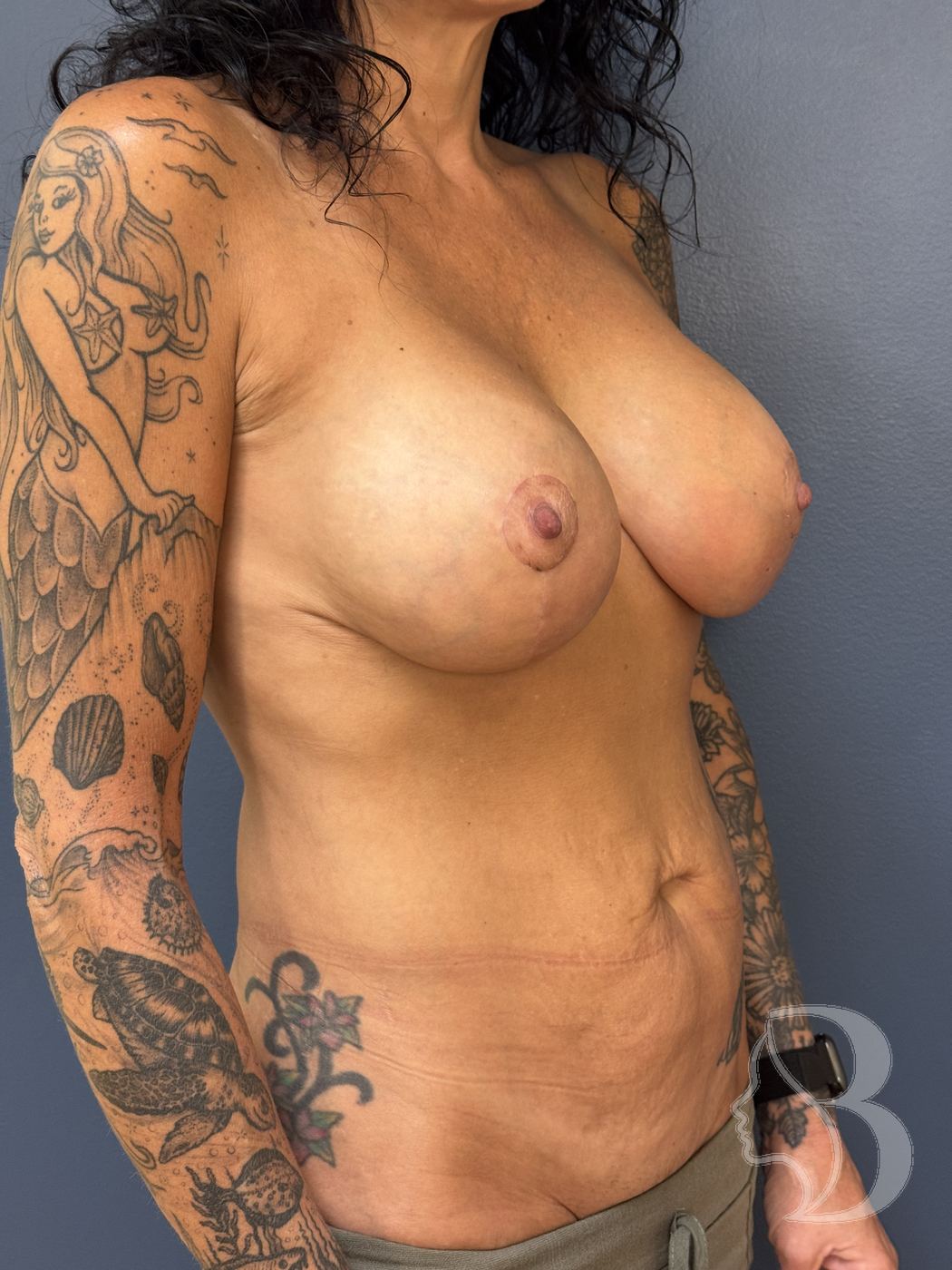
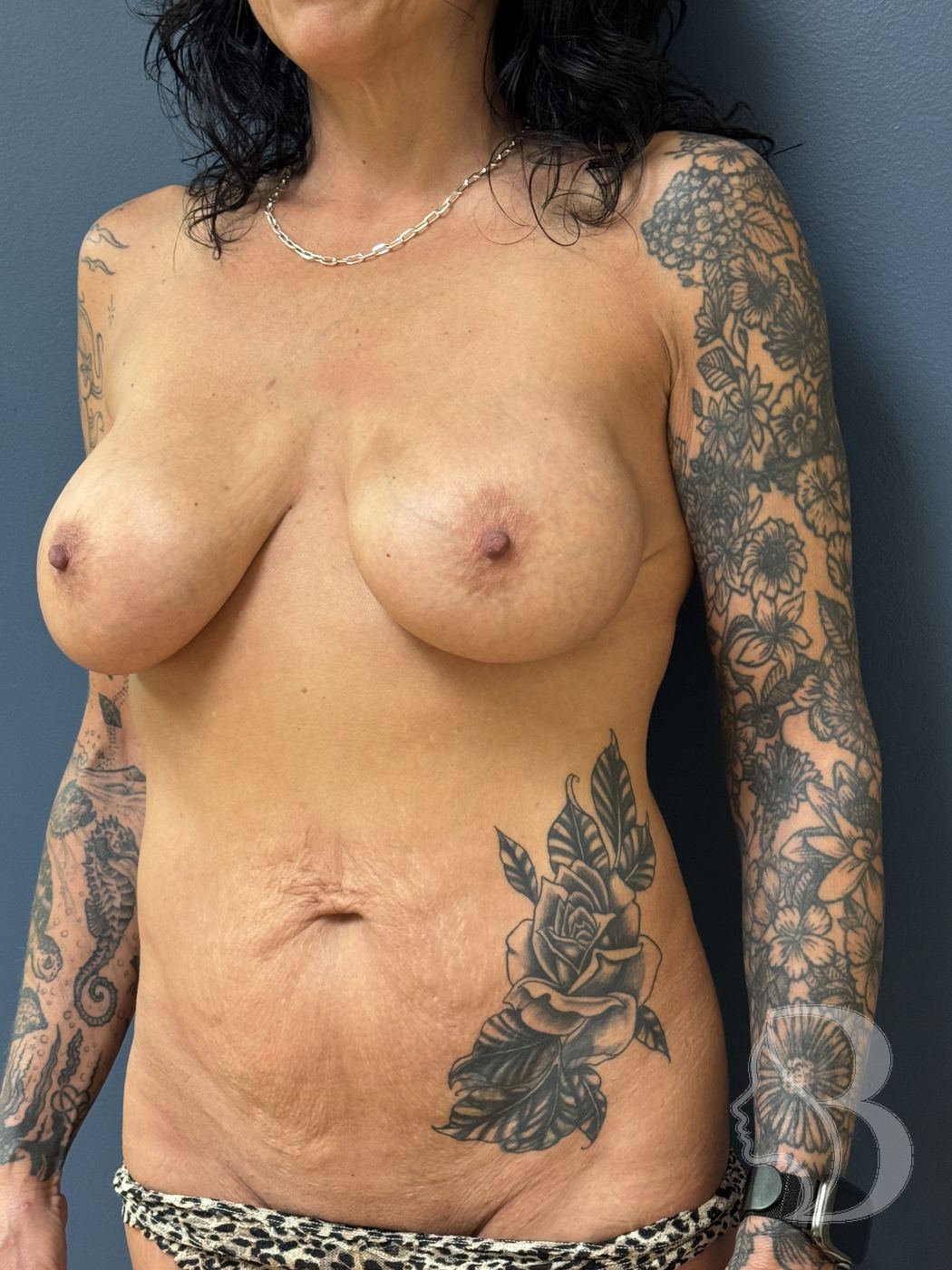
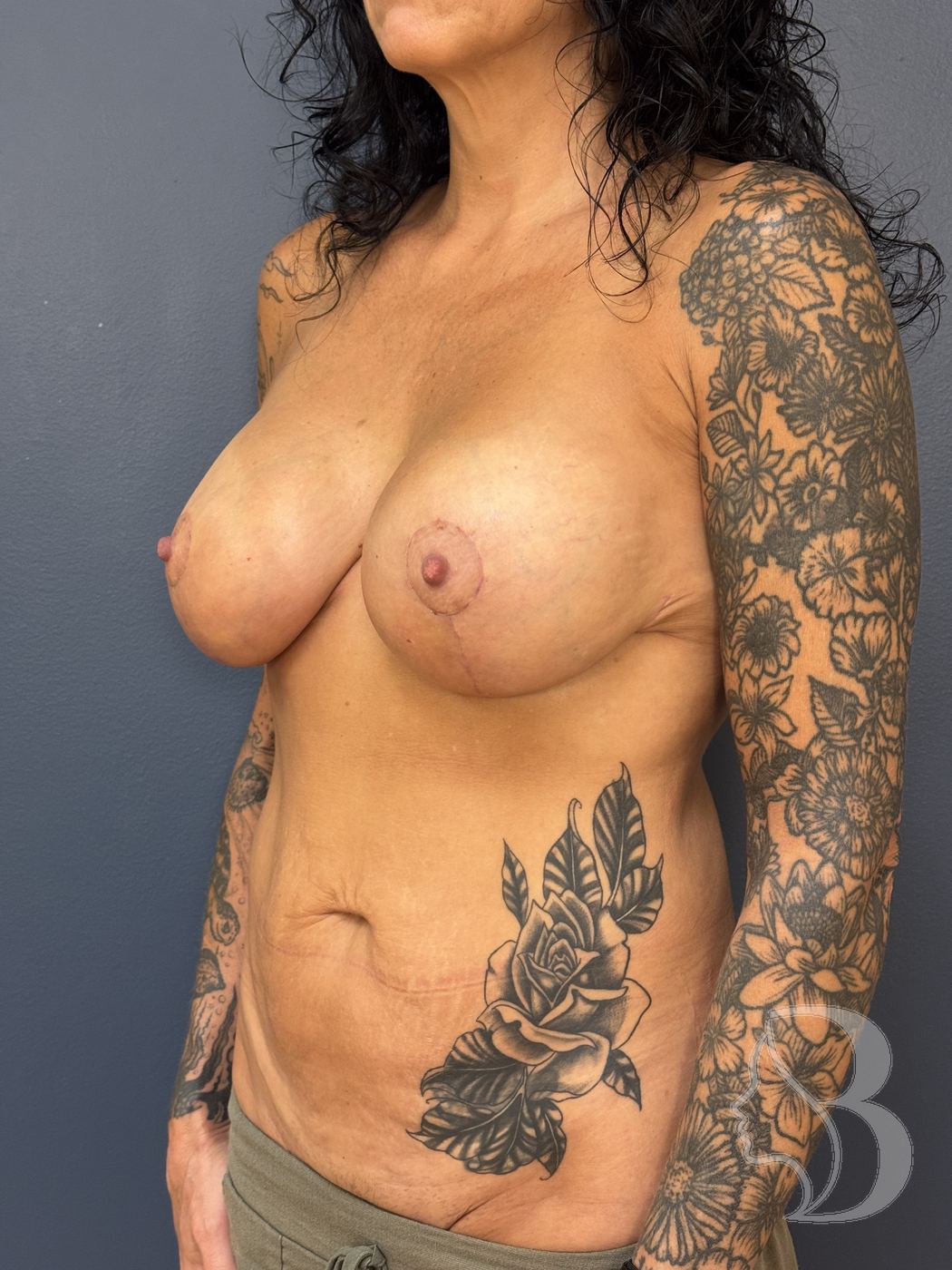

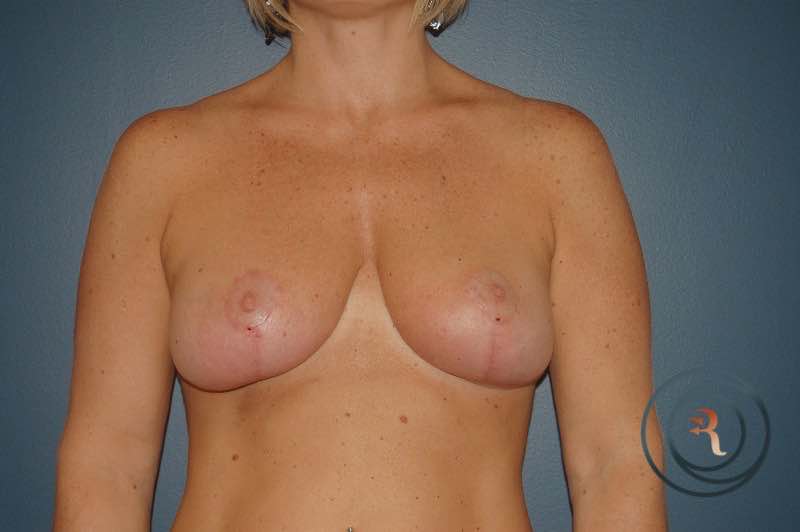

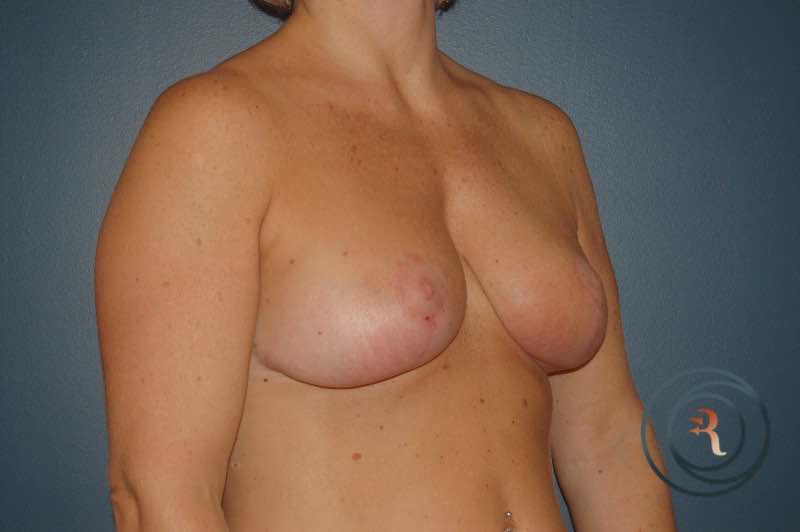


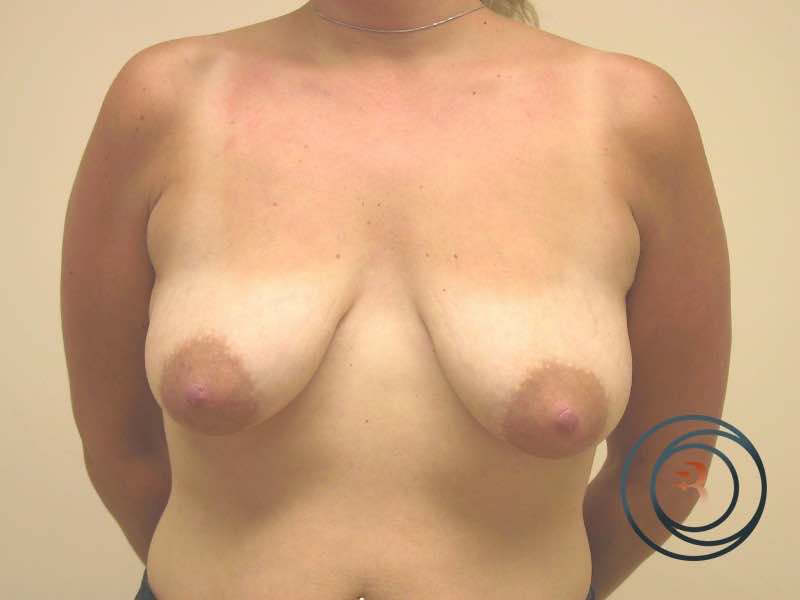
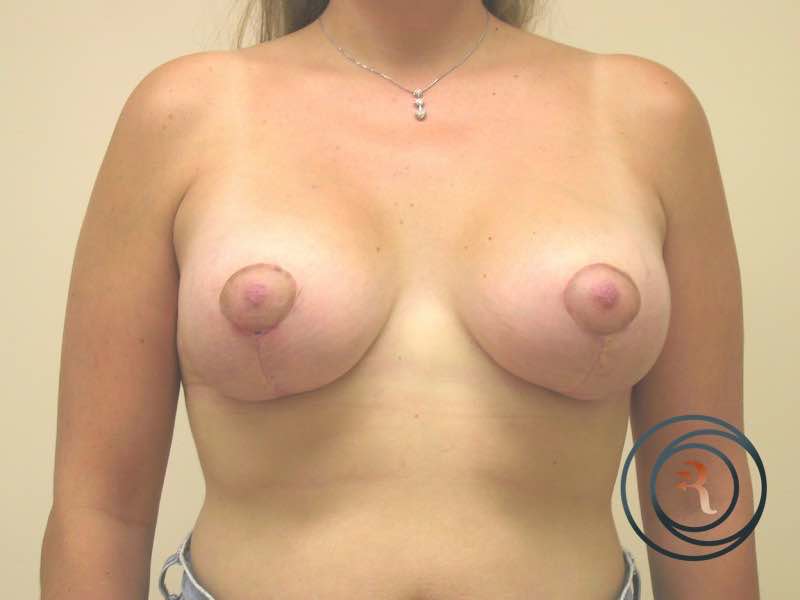
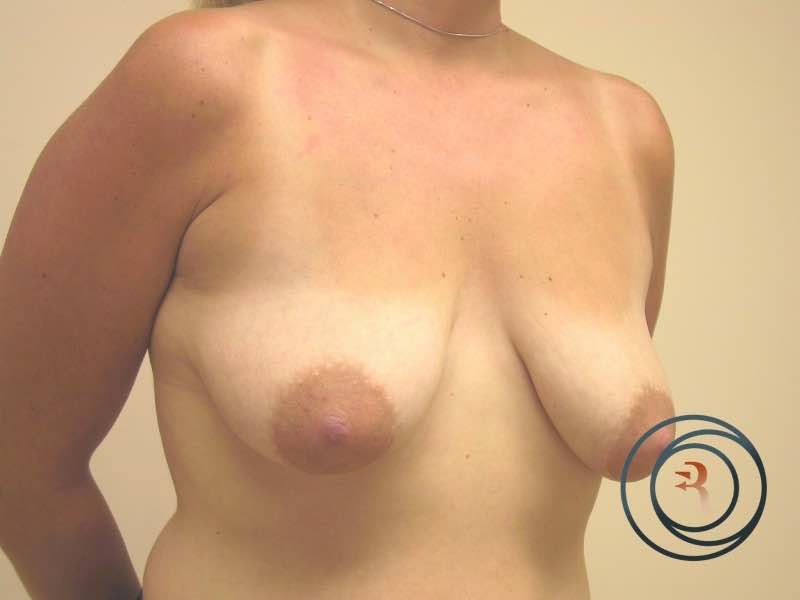


Lift Techniques
Periareolar (Donut) Mastopexy
Dr. Rafizadeh likes this operation because it produces the least amount of scars — the incision is placed around the areola only. It was first described by French plastic surgeon Benelli (also called the Benelli lift). However, it is only appropriate for mild cases of ptosis; otherwise the results are not stable.
Vertical (Lollipop) Mastopexy
A more powerful procedure that adds a short vertical scar below the areola. It provides better nipple projection and shape correction for moderate ptosis.
Anchor (Inverted-T) Mastopexy
The most comprehensive technique, appropriate for significant ptosis. The scar runs around the areola, vertically down, and along the inframammary fold. It allows the greatest reshaping and lifting but leaves the longest scar.
Pseudo-Ptosis & Implants
Sometimes what appears to be ptosis is actually pseudo-ptosis — the breast has lost upper pole volume but the nipple remains above the inframammary fold. This condition can often be corrected with a breast implant alone, which reestablishes volume without requiring a lift. Dr. Rafizadeh carefully distinguishes between true ptosis and pseudo-ptosis during consultation.
Breast Lift with Implants
When patients desire both a lift and additional size, Dr. Rafizadeh performs augmentation mastopexy — one of the most technically demanding procedures in breast surgery. He also notes that an implant helps the longevity of the breast lift procedure, as it supports the breast tissue and slows the recurrence of ptosis over time.