What Is the Deep Plane Facelift?
The deep plane facelift is the most advanced and comprehensive surgical approach to facial rejuvenation available today. While traditional facelift techniques tighten the skin or the superficial SMAS muscle layer beneath it, the deep plane technique goes one level deeper — releasing the facial retaining ligaments, the fibrous anchors that tether the soft tissues of the face to the underlying bone.
By releasing these ligaments and repositioning the deeper composite of skin, fat, and muscle as a single unit, Dr. Rafizadeh can restore the facial structure to a genuinely more youthful position rather than simply pulling it tighter. The result is a face that looks refreshed and naturally younger — not operated on.
“The deep plane allows me to move the face the way it moved naturally when it was younger — not tighter, but repositioned. That’s the difference between a result that looks natural and one that looks done.”
— Dr. Farhad Rafizadeh, MD FACS

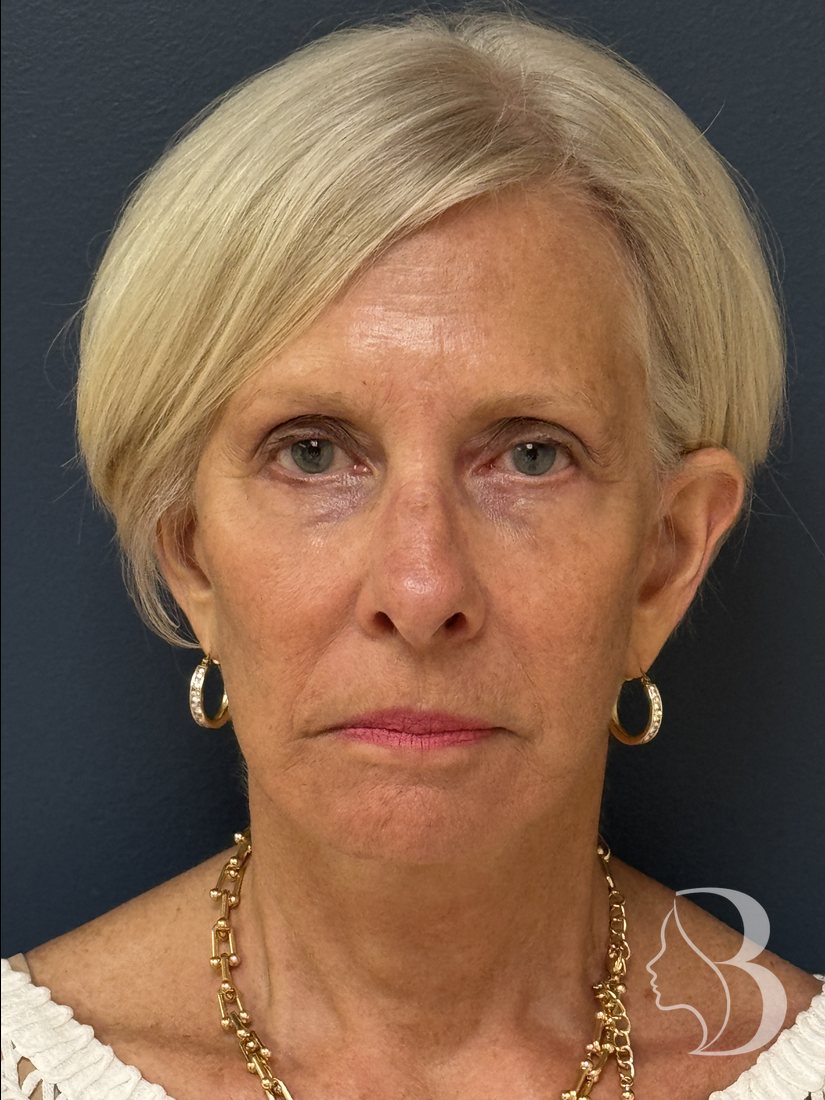
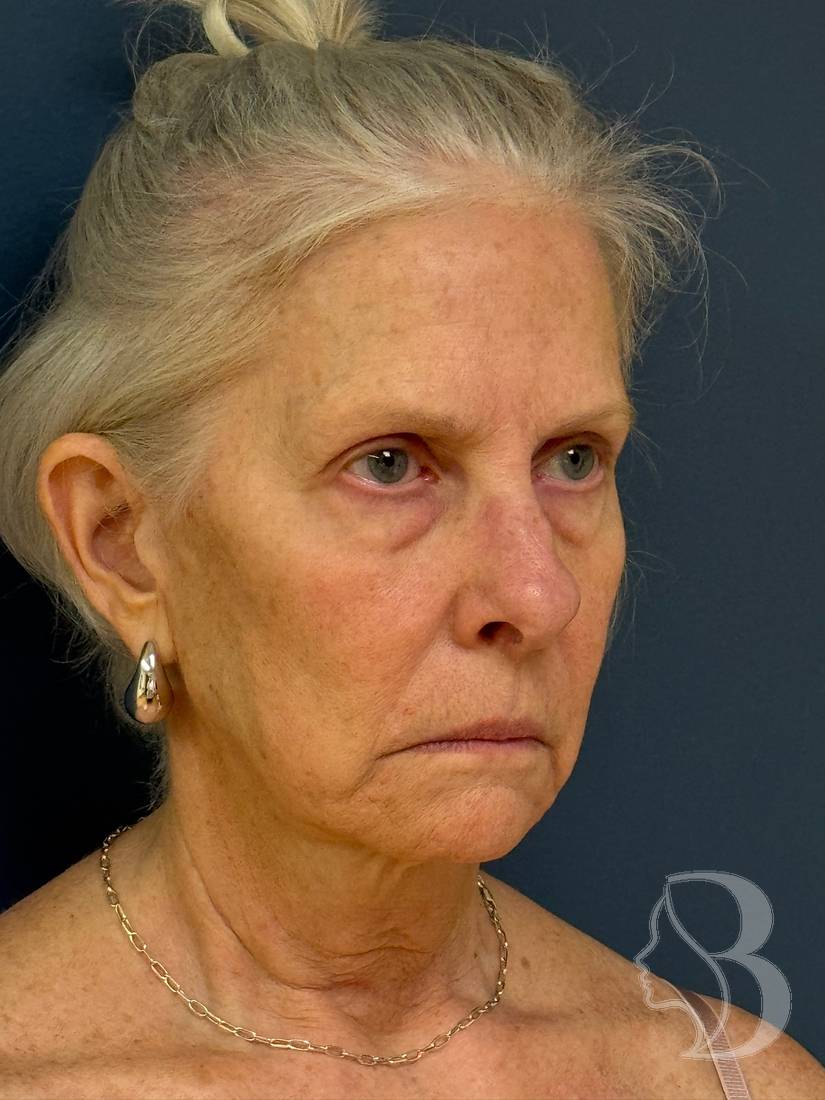
Deep Plane Facelift Before & After
View Full Gallery →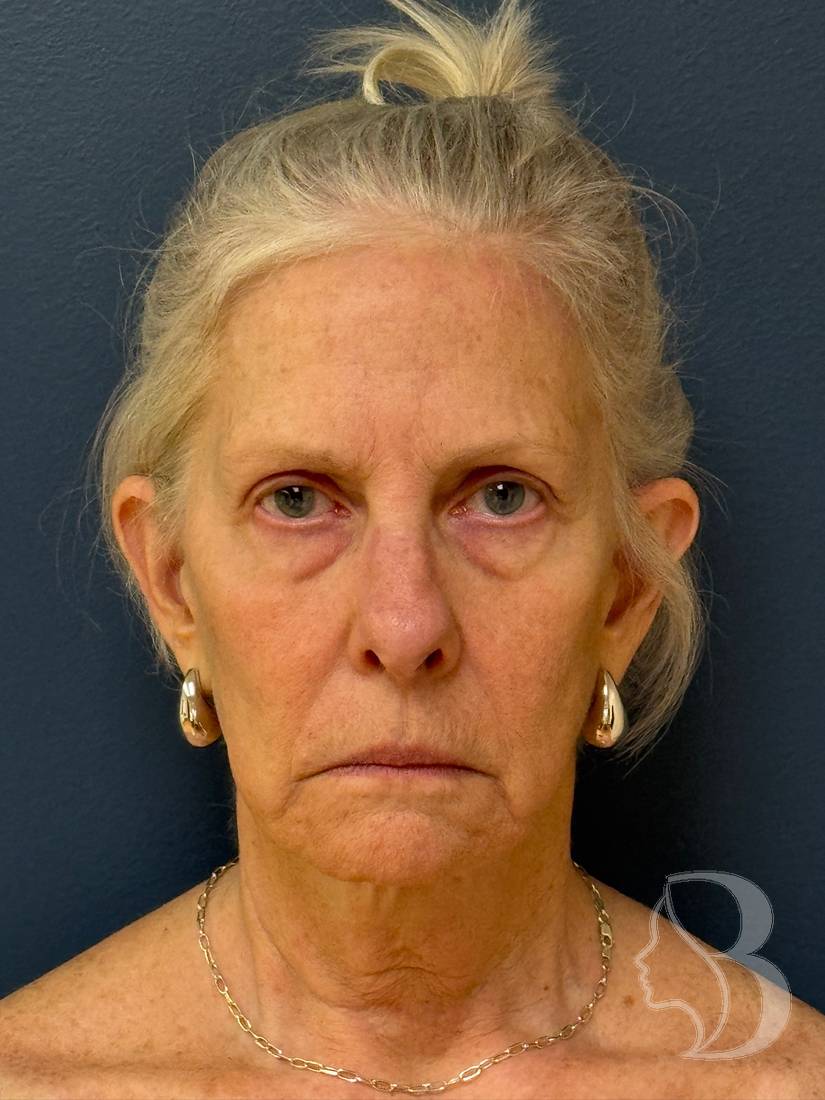
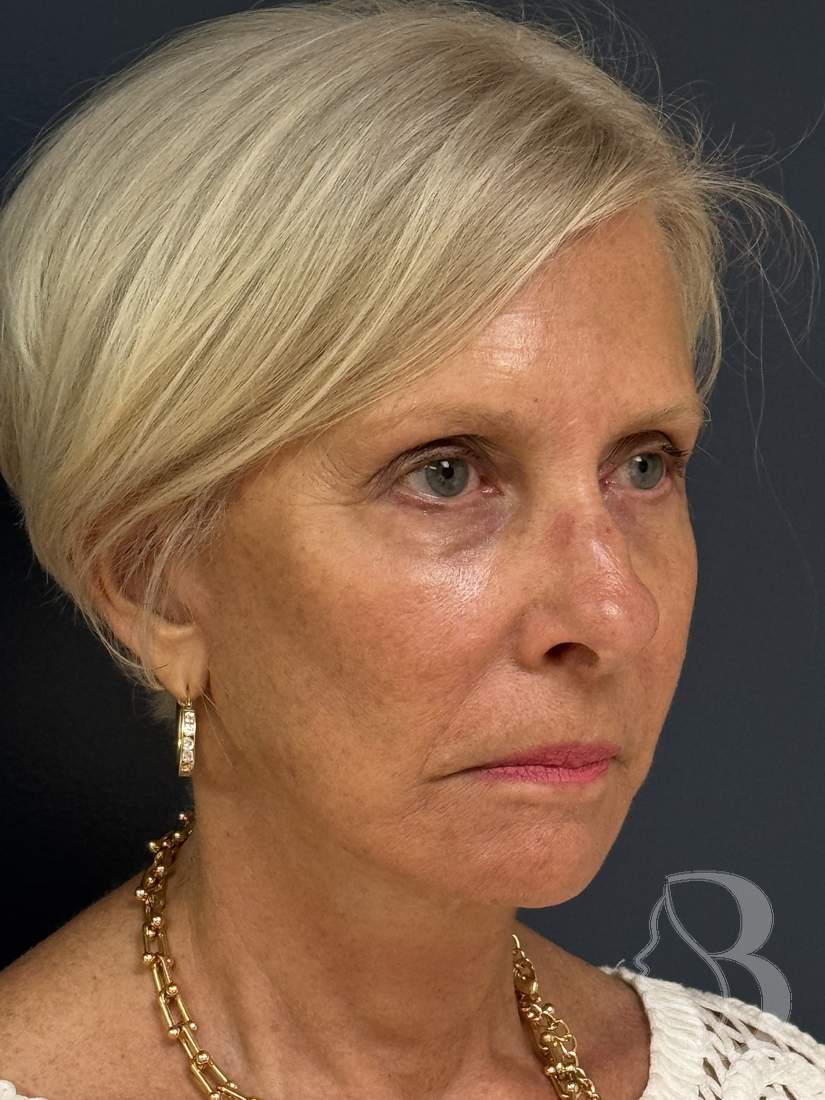
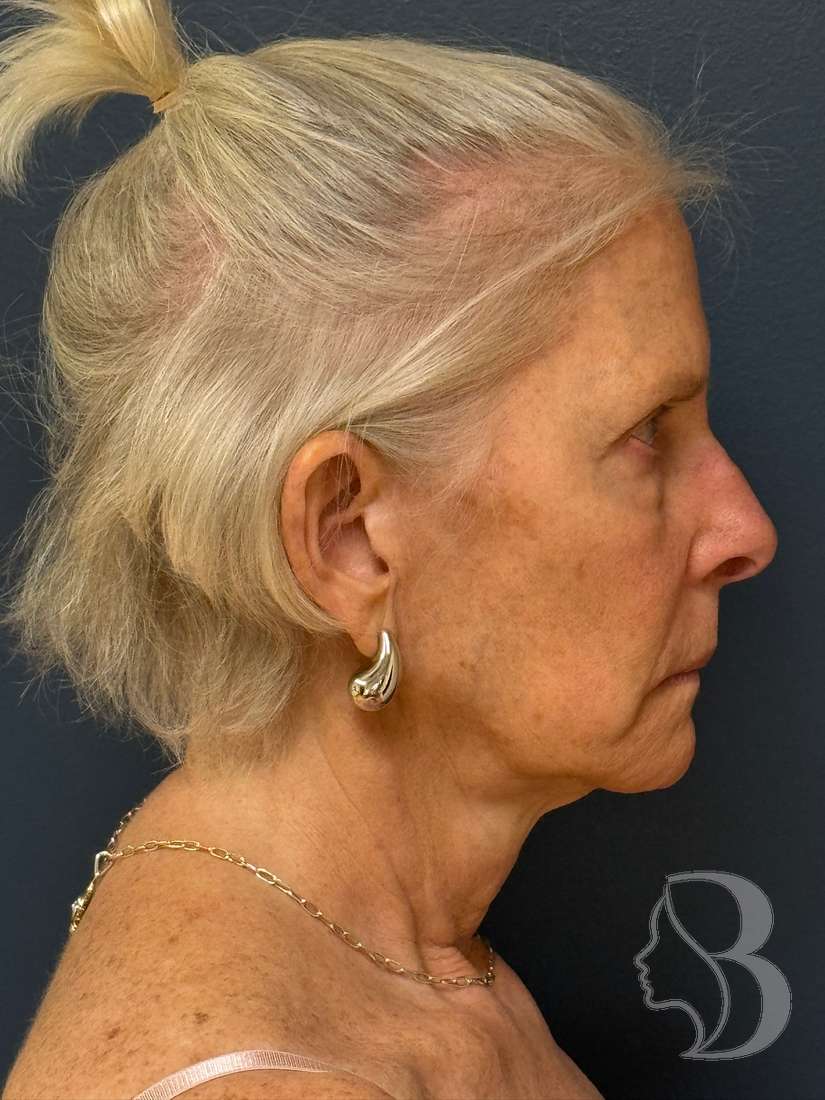
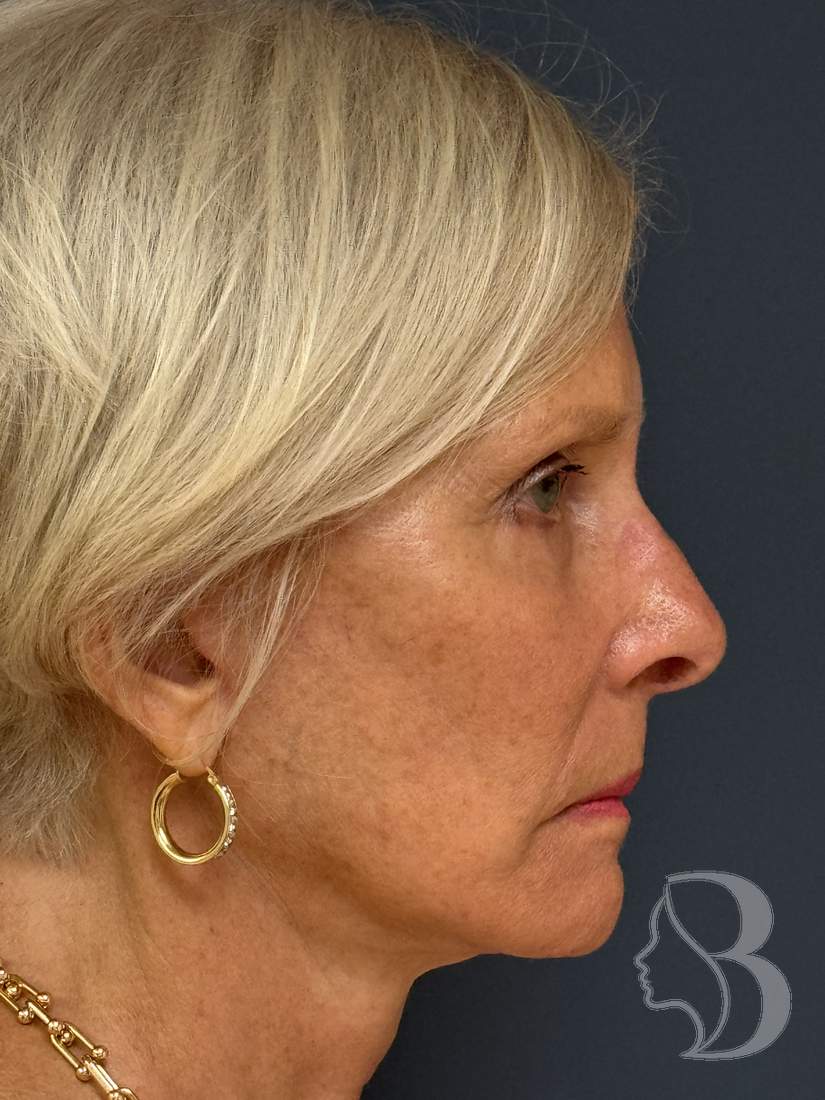
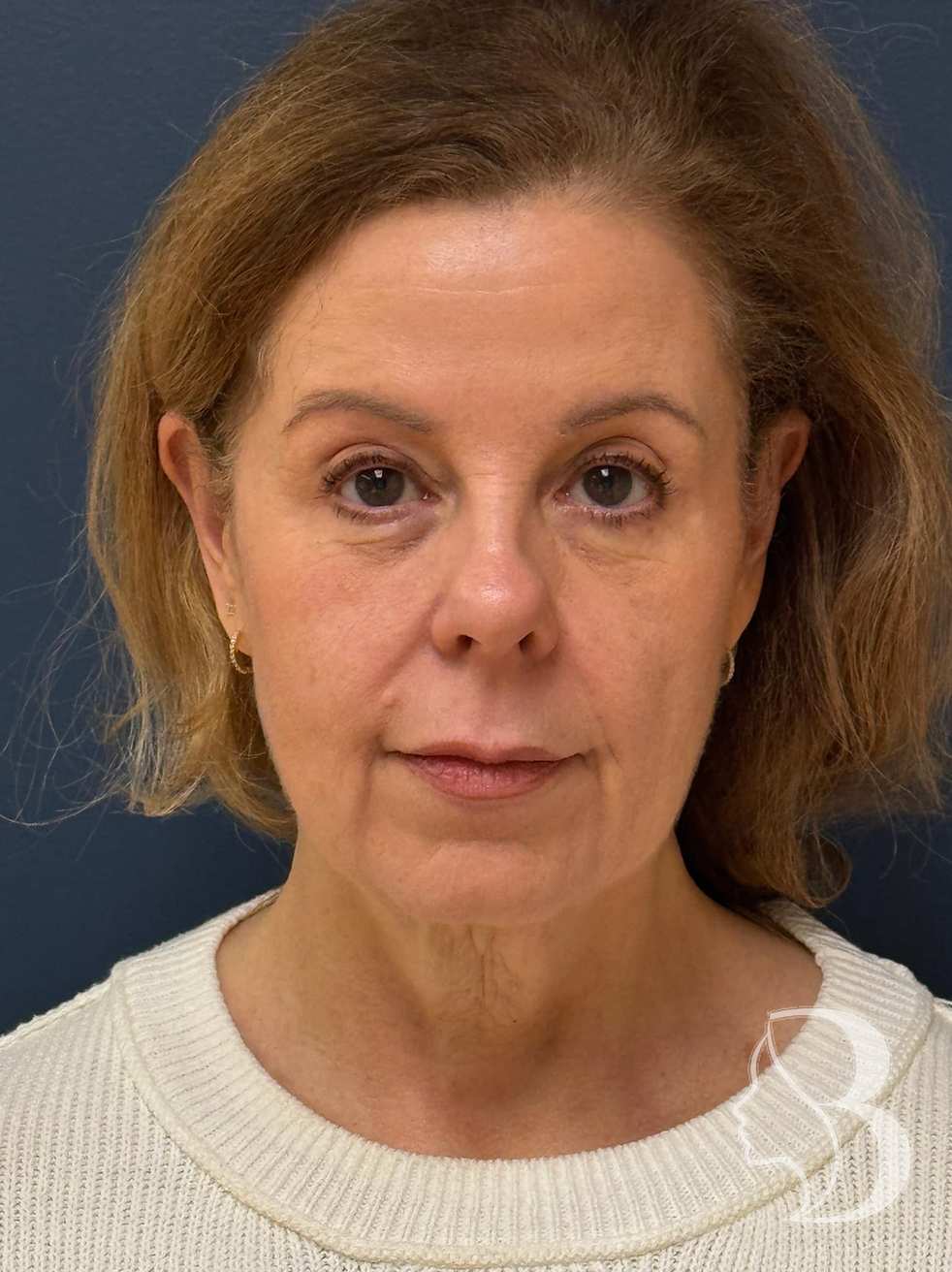
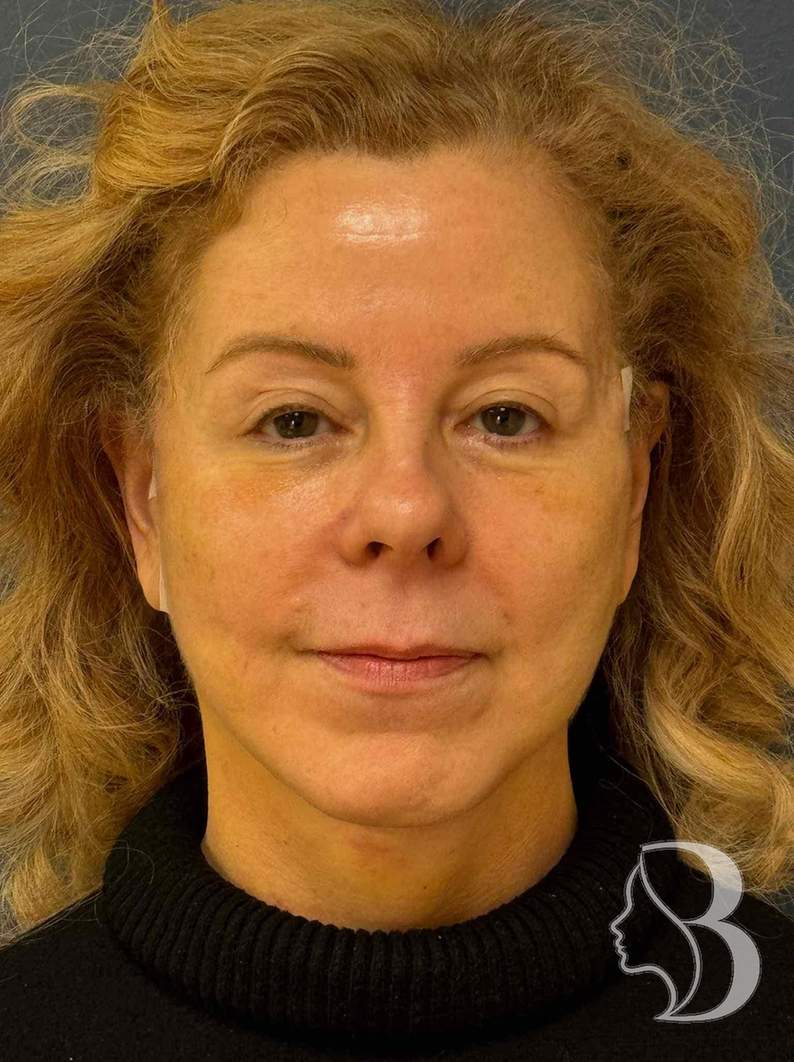
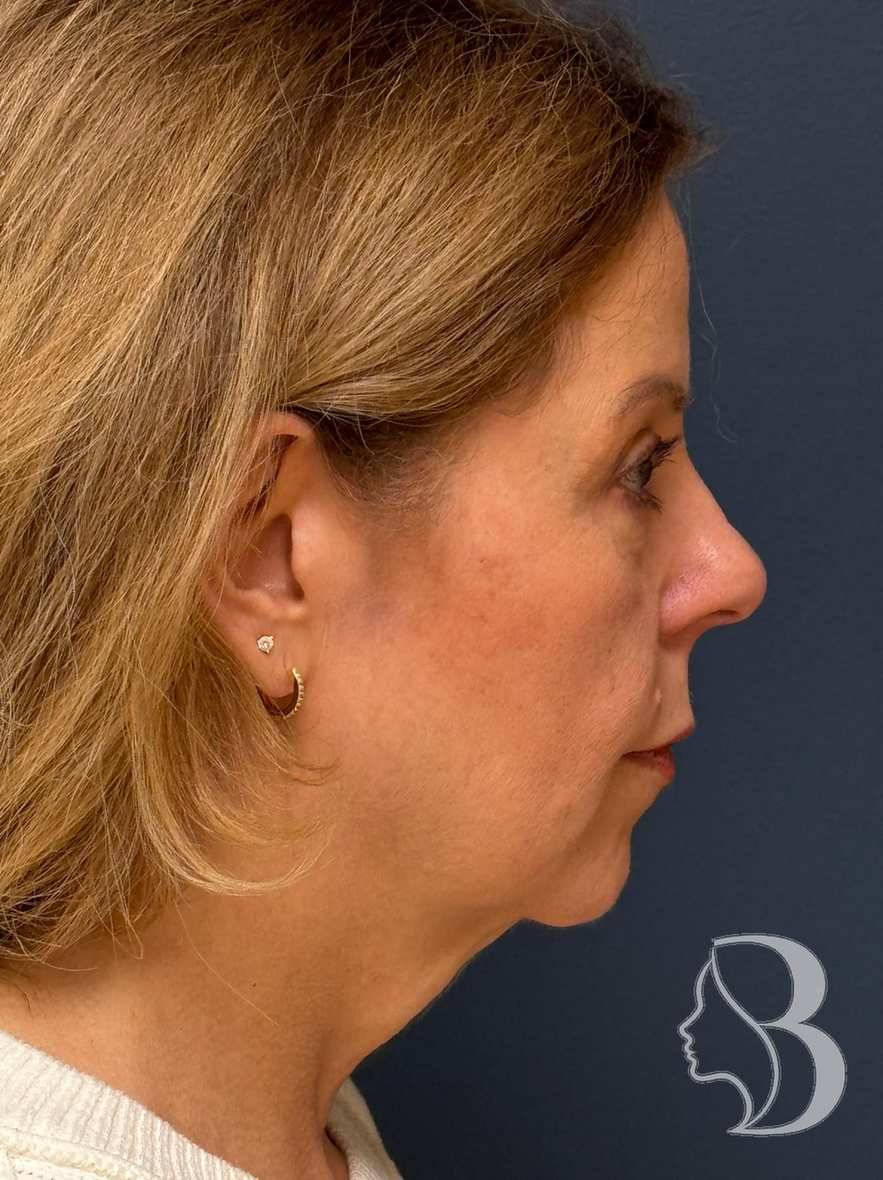
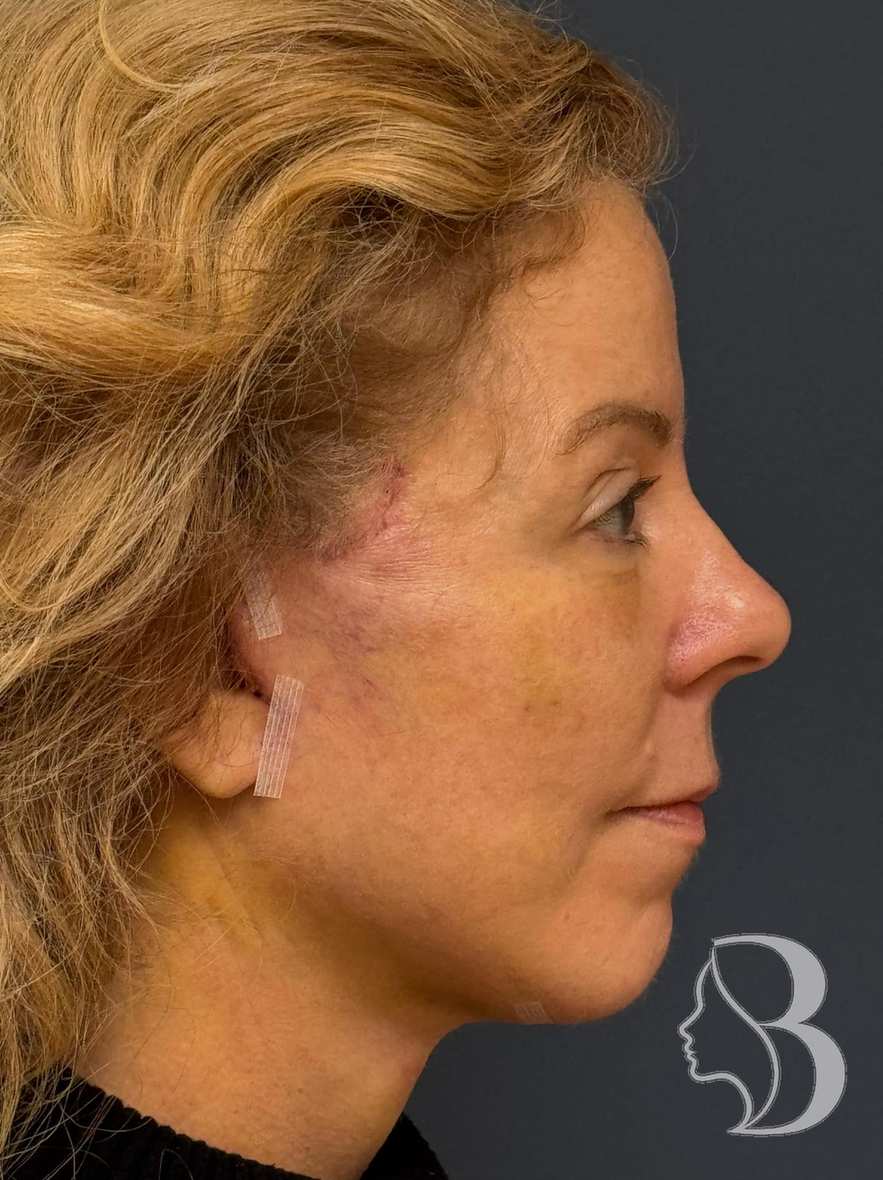
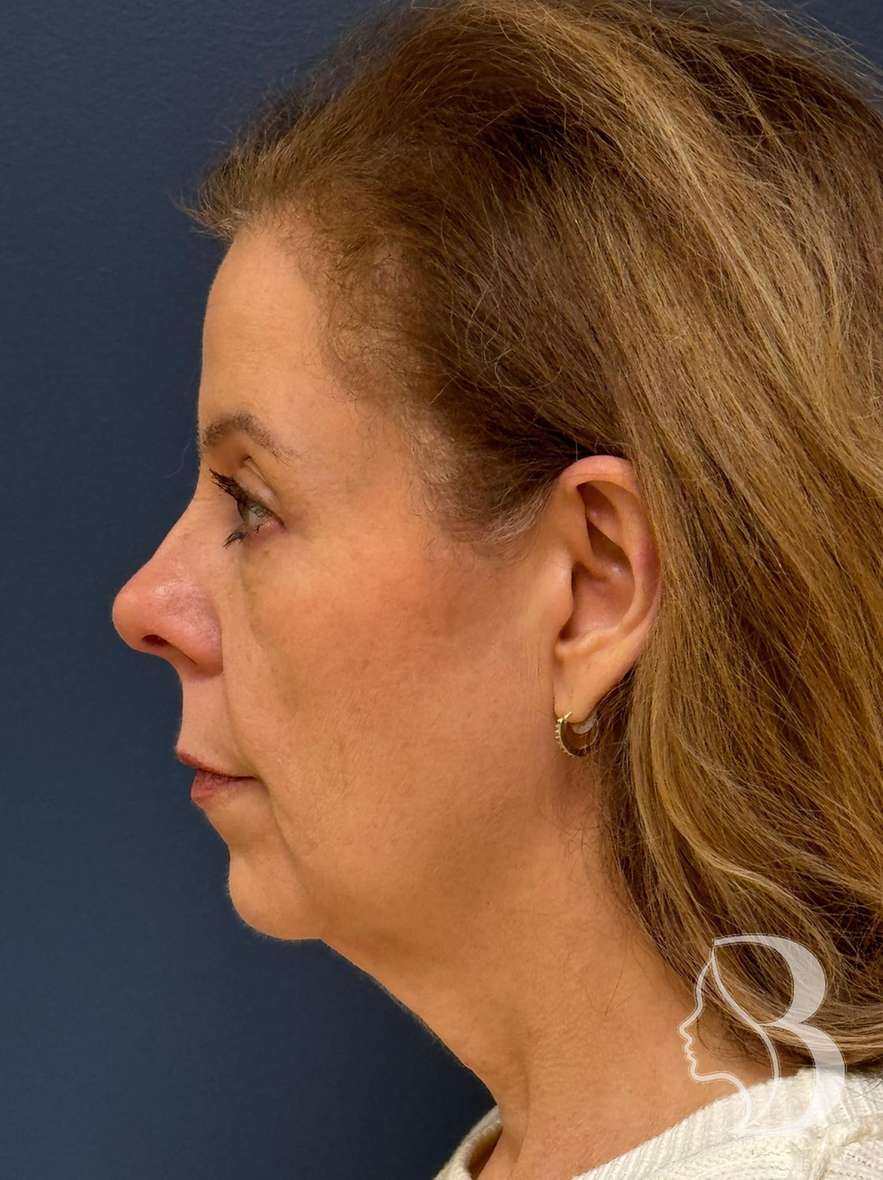
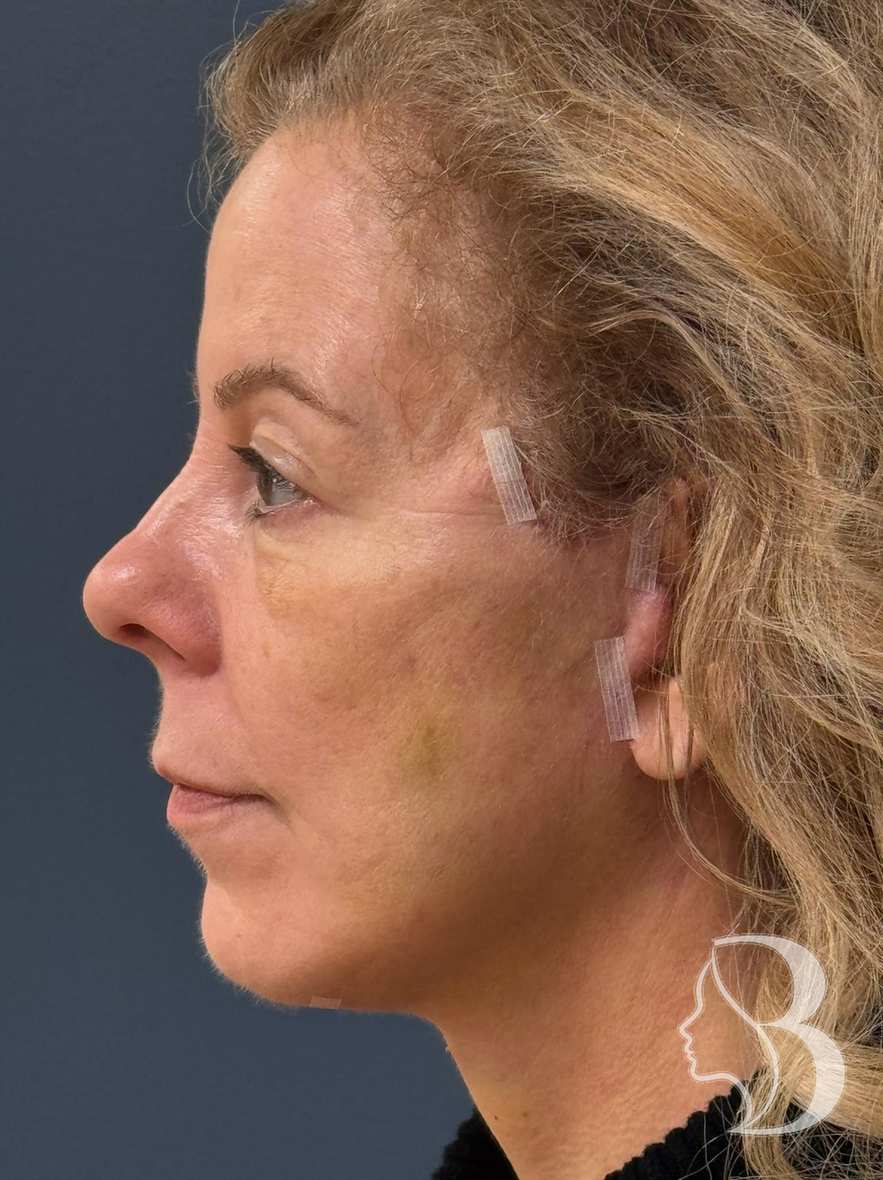
How the Deep Plane Technique Works
Understanding the deep plane technique requires a basic understanding of facial anatomy. The face is organized in layers: skin on the outside, then subcutaneous fat, then the SMAS (superficial musculoaponeurotic system), then the facial retaining ligaments, and finally the deeper muscle and bone structure beneath.
In a skin-only facelift, only the outermost layer is addressed. In a traditional SMAS facelift, the SMAS layer is tightened — but the ligaments holding it in place are left intact, limiting how much tissue can actually be repositioned. In the deep plane facelift, Dr. Rafizadeh dissects beneath the SMAS entirely, releasing the zygomatic, masseteric, and mandibular retaining ligaments. This frees the tissue composite to be lifted and repositioned as a unit to its natural, youthful position.
Why This Produces Better Results
Because the deep plane addresses the structural cause of facial aging — the descent of facial fat compartments and the loss of ligament support — rather than its surface appearance, the results are qualitatively different:
- Midface restoration: Volume returns to the cheeks and under-eye area without filler.
- Nasolabial fold improvement: The deep plane is the only technique that meaningfully addresses these creases at their anatomical source.
- Jowl correction at the root: Jowling is eliminated by repositioning the tissue that created it, not by pulling the skin over it.
- Natural appearance: The skin is never put under tension, so there is no tightness, distortion of the hairline, or “pulled” look.
- Longer-lasting results: Repositioning the deeper structural layers produces results that last 10–15 years — significantly longer than skin-only or SMAS-only approaches.
Deep Plane vs. Other Facelift Techniques
Patients researching deep plane vs. SMAS facelift options in New Jersey often want to understand the practical differences. The table below outlines the key distinctions:
| Factor | Deep Plane | SMAS Facelift | Mini Facelift |
|---|---|---|---|
| Anatomical level | Below SMAS; releases ligaments | SMAS layer only | Limited SMAS or skin |
| Midface correction | Excellent | Limited | Minimal |
| Nasolabial folds | Significant improvement | Modest improvement | Little improvement |
| Jowl correction | Comprehensive | Good | Mild |
| Neck correction | Excellent | Good | Limited |
| Results duration | 10–15 years | 7–10 years | 3–5 years |
| Recovery time | 2–3 weeks | 2–3 weeks | 1–2 weeks |
| Best for | Moderate to significant aging; all face zones | Moderate laxity; lower face | Early/mild laxity |
Dr. Rafizadeh will review your anatomy and goals during your consultation and recommend the technique that will deliver the best result for your specific situation. He will not recommend a less comprehensive procedure simply because it is shorter or easier — and he will not recommend a more involved procedure if a simpler approach is genuinely appropriate.
VariantsExtended Deep Plane & Awake Facelift Options
Extended Deep Plane Facelift
For patients with more advanced facial aging or specific anatomical considerations, the extended deep plane facelift expands the dissection plane further into the midface — releasing additional ligamentous attachments to achieve even greater repositioning of the midface fat compartments and more complete correction of the nasolabial folds. This is a technically more demanding variation reserved for patients whose anatomy and degree of aging warrant it. Dr. Rafizadeh will discuss whether the standard or extended deep plane approach is most appropriate during your evaluation.
Awake Deep Plane Facelift
While the deep plane facelift is most commonly performed under general anesthesia, Dr. Rafizadeh can perform facelift surgery under IV sedation (twilight anesthesia) for appropriate candidates — sometimes referred to as an awake facelift. The right anesthesia approach depends on the complexity of the procedure, the patient’s overall health, and personal preference, and is decided collaboratively during the consultation.
What to ExpectYour Deep Plane Facelift Journey
Consultation
Dr. Rafizadeh meets personally with every patient — he never delegates consultations. He will assess your facial anatomy in detail, discuss your goals honestly, and explain exactly which technique will achieve the result you are describing. Patients traveling from New York City, Bergen County, Essex County, Morris County, and beyond can schedule in-person consultations at the Morristown office.
Surgery
The deep plane facelift is performed at a fully accredited surgical facility in Morristown, NJ. Surgery typically takes 3–5 hours. Incisions are placed along the natural hairline at the temples, curving naturally around the ear and into the posterior hairline, keeping all scarring hidden. When a neck lift is performed simultaneously, a small incision is made beneath the chin as well.

Recovery Timeline
Days 1–3: Swelling and bruising are most pronounced. Rest and elevation are essential. A compression garment is worn.
Days 4–7: Sutures are removed. Discomfort diminishes significantly. Patients begin moving comfortably around the home.
Weeks 1–2: Bruising fades. Most patients can go out in public with makeup by the end of week two.
Weeks 2–3: Return to work and normal social activity for most patients. Exercise is restricted for 4–6 weeks.
Months 3–6: Final results become fully visible as all residual swelling resolves. Scars continue to fade and soften for up to 12 months.

Deep Plane Facelift Cost in New Jersey
The cost of a deep plane facelift in New Jersey varies based on the complexity of the procedure, whether a neck lift or additional procedures are performed simultaneously, anesthesia fees, and facility fees. Because every patient’s anatomy and goals are different, Dr. Rafizadeh provides personalized pricing during your consultation after a thorough evaluation. Financing options through CareCredit and Alphaeon are available. To schedule a consultation, call (973) 267-0928 or submit a request online.
Who Is a Good Candidate?
The ideal deep plane facelift candidate presents with moderate to significant facial laxity — sagging skin in the cheeks or midface, jowling, neck laxity, or deepened nasolabial folds — and is in good general health, a non-smoker or willing to quit prior to surgery, and has realistic expectations. Most patients are between their late 40s and early 70s, though Dr. Rafizadeh evaluates each patient individually based on anatomy rather than age alone.
The deep plane technique is particularly well-suited to patients who want to address all zones of the face comprehensively and desire results that will last a decade or longer. If you are considering facelift surgery in Morris County, Bergen County, Essex County, or anywhere in North Jersey, a consultation with Dr. Rafizadeh will clarify whether the deep plane approach is right for you.