What Is the SMAS Facelift?
The SMAS facelift — named for the superficial musculoaponeurotic system, the fibromuscular layer just beneath the skin — is the gold standard of traditional facelift surgery. Unlike a skin-only lift, which simply pulls and tightens the outermost layer, the SMAS facelift addresses the deeper muscular layer that directly causes facial descent. The result is a more durable, natural correction that avoids the tight or windswept appearance associated with less sophisticated techniques.
For patients considering a SMAS facelift in New Jersey, Dr. Rafizadeh’s four decades of experience and American Board of Plastic Surgery board certification offer the confidence of working with a surgeon who has performed this procedure hundreds of times, with consistently natural results.
“The SMAS facelift has an exceptional track record for a reason. When the anatomy is right, it delivers lasting, natural-looking rejuvenation with a recovery patients consistently describe as manageable.”
— Dr. Farhad Rafizadeh, MD FACS
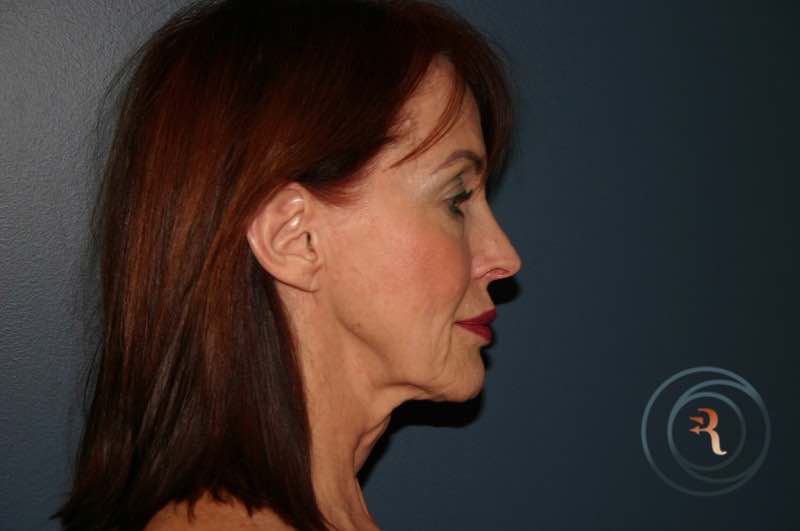
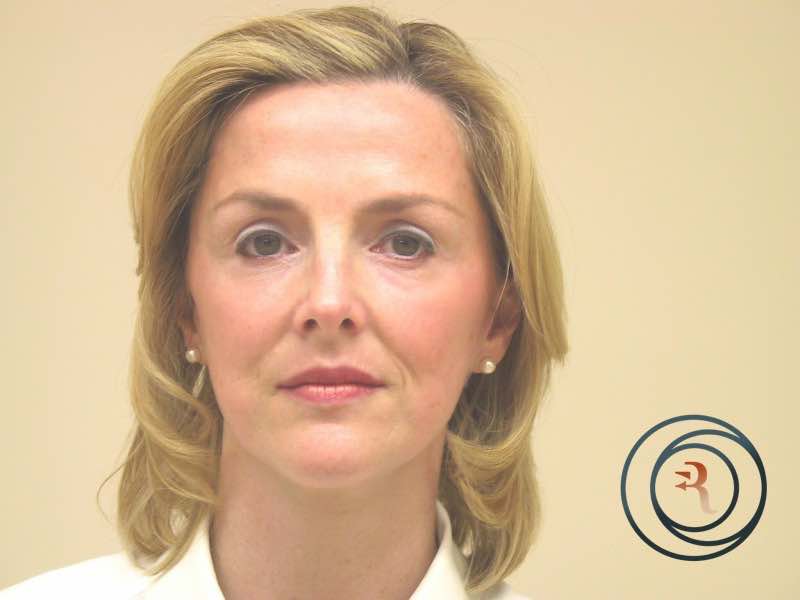
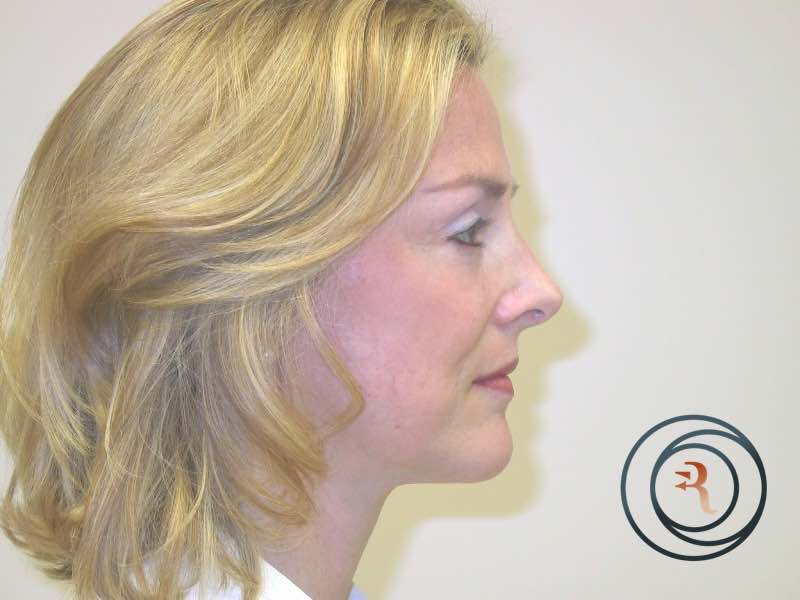
Facelift Before & After
View Full Gallery →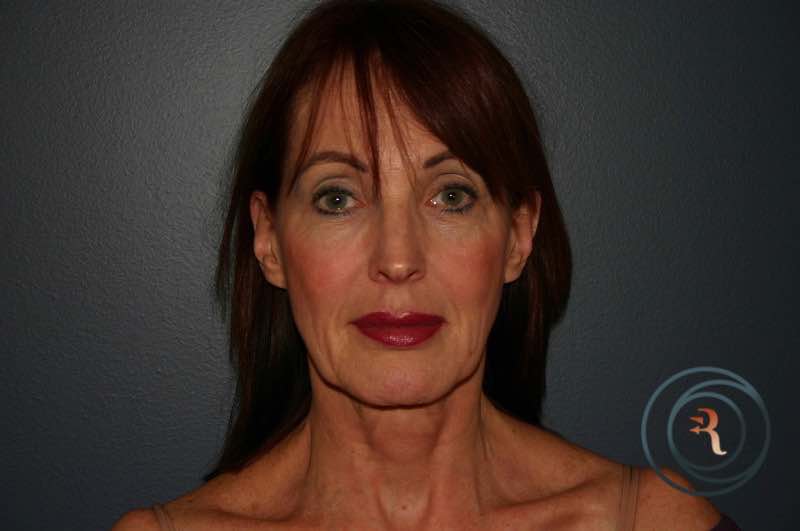






How the SMAS Technique Works
The SMAS is the fibromuscular sheet that connects the facial muscles to the overlying skin. As we age, this layer descends along with the fat compartments above it, causing jowling, deepening of the nasolabial folds, and loss of jawline definition. A skin-only lift cannot adequately address this descent because it doesn’t correct the SMAS — it simply drapes skin over tissue that has shifted.
In a SMAS facelift, Dr. Rafizadeh elevates the skin off the SMAS and then tightens the SMAS itself through either plication or imbrication (see below). The skin is then re-draped without tension, which is what produces a natural-looking result. Because the SMAS is doing the structural work, there is no pulling force on the skin and no telltale tightness.
SMAS Plication vs. SMAS Imbrication
SMAS plication folds the SMAS back on itself and secures it with sutures in a tightened position — no tissue is excised. This is a straightforward, well-tolerated technique appropriate for most patients.
SMAS imbrication removes a small strip of SMAS before suturing the edges together, which can achieve a slightly greater degree of tightening in patients with more significant laxity. Dr. Rafizadeh selects the appropriate method based on the individual patient’s anatomy and tissue characteristics during surgery.
→ Schedule a ConsultationMeet with Dr. Rafizadeh personally to discuss your goals and a personalized plan. Call (973) 267-0928 or request a consultation online.High SMAS Facelift
A variation called the high SMAS facelift extends the SMAS dissection further superiorly toward the malar fat pad, allowing greater repositioning of the midface. For patients with early midface descent who don’t yet require the full ligament release of a deep plane technique, the high SMAS can offer meaningful midface improvement while remaining less technically demanding than the deep plane approach.
ComparisonSMAS Facelift vs. Deep Plane Facelift
The most common question patients researching facelift options in North Jersey ask is: how does the SMAS facelift compare to the deep plane?
The SMAS facelift tightens the SMAS layer while the deeper facial retaining ligaments remain intact. This makes it an excellent choice for patients with moderate laxity, well-preserved midface volume, and concerns primarily in the lower face and jawline. For these patients, a well-executed SMAS facelift delivers reliable, natural results that last 7–10 years.
The deep plane facelift goes further by releasing those retaining ligaments entirely, allowing comprehensive repositioning of the deeper facial tissue composite. It is the better option when there is significant midface descent, deep nasolabial folds, or more advanced overall laxity requiring treatment across all facial zones. Learn more about the deep plane facelift →
Dr. Rafizadeh will evaluate your anatomy and recommend the technique that will genuinely achieve your goals — not the more involved procedure by default, and not the simpler one if it won’t deliver the result you want.
What to ExpectYour SMAS Facelift Journey
Consultation
Dr. Rafizadeh personally evaluates every patient at his Morristown, NJ office. He will assess your facial anatomy in detail, discuss the degree of laxity present, and explain exactly which technique — SMAS plication, imbrication, high SMAS, or deep plane — is most appropriate for your specific presentation and goals.
Surgery & Recovery
A SMAS facelift is performed at a fully accredited Morristown surgical facility and typically takes 3–4 hours. Depending on your anatomy and preference, Dr. Rafizadeh performs many SMAS facelifts under local anesthesia with light sedation — you stay comfortable and breathe on your own, which avoids the grogginess of going fully under — while general anesthesia and IV sedation remain available. Incisions follow the same pattern as all facelift approaches: along the hairline at the temples, around the ear, and into the posterior hairline.
Days 1–7: Swelling and bruising gradually subside. Sutures are removed by day 5–7. A compression garment is worn initially.
Weeks 2–3: Most patients return to work and social activity. Bruising has largely faded. Light exercise can be resumed.
Months 3–6: Final results are fully visible. Scars continue to mature and fade for up to 12 months.
SMAS Facelift Cost in New Jersey
The cost of a SMAS facelift in New Jersey varies based on procedure complexity, anesthesia fees, facility fees, and whether additional procedures are performed simultaneously. Personalized pricing is provided during Dr. Rafizadeh’s consultation after a thorough evaluation. Financing through CareCredit and Alphaeon Credit is available. Call (973) 267-0928 or request a consultation online.
Who Is a Good Candidate?
The ideal SMAS facelift candidate presents with moderate facial laxity — jowling, loss of jawline definition, and lower face descent — with relatively preserved midface volume. They are in good general health, non-smokers or willing to quit prior to surgery, and have realistic expectations. Patients with more significant midface descent or deep nasolabial folds may be better served by the deep plane technique; Dr. Rafizadeh will give you an honest assessment during your consultation.