One of the most thoughtful questions Dr. Farhad Rafizadeh receives in his Morristown consultation room — and one that appears with regularity on his RealSelf Q&A page — comes from older patients who have done their homework and want to know what general anesthesia might cost them cognitively.
“Best anesthetic for older patients to avoid contributing to any Alzheimer’s or other dementia?”
It is the right question to ask. Older patients in Northern New Jersey researching a facelift, eyelid surgery, or brow lift have read the headlines: long general anesthetic exposures, particularly in patients over 65, have been linked in peer-reviewed studies to short-term memory issues after surgery, slower recovery, and in a small subset of patients, lasting changes in cognition. The umbrella term for this is postoperative cognitive dysfunction (POCD), and it is one of the most actively researched topics in geriatric anesthesia.
The encouraging answer for North Jersey patients: a facelift, an upper or lower eyelid surgery, a brow lift, and most other facial aesthetic procedures do not require general anesthesia. They can be performed comfortably and safely under local anesthesia with light moderate sedation — if the surgeon is skilled in this technique.
Dr. Rafizadeh’s Short Answer
Minimizing anesthesia is always a good idea. This is why I perform all my facial aesthetic procedures under local anesthesia with moderate sedation. This includes facelifts, eyelid surgery, brow lifts, and similar. If the surgeon is experienced with regional nerve blocks, the discomfort is minimal — I use medicine only to relieve the pain of injection and a sedative to remove the patient’s anxiety. Surgeons who are not comfortable with local anesthesia techniques will tell you that a proper operation requires general anesthesia or heavy sedation. That is not true.
That answer captures decades of clinical practice in a few sentences: use the least amount of anesthesia required to do the operation well, and the patient — especially the older patient — recovers faster, more comfortably, and with fewer downstream concerns.
What the Research Actually Says About Anesthesia and Dementia
It is important to separate sensational headlines from the actual medical literature. The current consensus among anesthesiology and geriatric medicine researchers is roughly the following:
- General anesthesia has not been proven to cause Alzheimer’s disease.
- However, postoperative cognitive dysfunction (POCD) is a real and measurable phenomenon. Some older patients experience days, weeks, or rarely months of impaired memory, attention, and processing speed after major surgery under general anesthesia.
- The risk of POCD is meaningfully higher in patients over 65, in longer operations, with deeper anesthetic planes, and in patients who already have mild cognitive impairment.
- Whether anesthesia can accelerate an underlying neurodegenerative process in someone already on the path to dementia is an unsettled, actively studied question.
The reasonable conclusion: even if general anesthesia is broadly safe, it is not a neutral exposure for older brains. When the procedure itself doesn’t require general anesthesia — and almost no facial cosmetic procedure does — choosing a lighter approach is the conservative, common-sense decision.
How Dr. Rafizadeh Performs a Facelift Under Local Anesthesia With Light Sedation
Here is what an older Northern New Jersey patient can expect during a facelift or related facial procedure at the Morristown office:
1. Light IV Sedation Is Started First
An anesthesia provider places a small IV and delivers a light dose of a short-acting sedative (often midazolam) and a short-acting pain reliever. The goal is not unconsciousness. The goal is relaxation, drowsiness, and removal of anxiety. The patient breathes on their own, does not need a breathing tube, and is not intubated.
2. Regional Nerve Blocks Numb the Face
While the patient is comfortable, Dr. Rafizadeh blocks the sensory nerves that supply the face from a small number of strategic injection points. Once these blocks take effect — usually within a few minutes — the face is numb in the operative area. The injections themselves are barely perceived because of the sedation and because of decades of refined injection technique. The patient feels touch and pressure but no sharpness or pain.
3. The Procedure Is Performed at the Surgeon’s Normal Pace
Facelift, eyelid surgery, brow lift, lip lift, or any combination is performed exactly as it would be under general anesthesia — same incisions, same deep plane or SMAS technique, same suture closure, same skin redistribution. The only difference is the anesthetic depth.
4. Recovery Is Faster Because the Anesthetic Burden Is Smaller
Patients wake clear-headed. Nausea, vomiting, grogginess, and the “anesthesia hangover” that older patients dread are minimal or absent. Most patients are alert, eating, and walking within an hour. For an older patient in Summit, Chatham, Madison, or Short Hills who values returning to baseline cognition quickly, this difference matters far more on day one than on day thirty.
Why This Approach Is Especially Important for Patients Over 65
An older patient’s body simply processes anesthesia differently than a younger patient’s. Liver and kidney clearance is slower. Lung reserve is smaller. Cardiac response to anesthetic agents is more variable. The brain is more susceptible to delirium and POCD. Each of these is a reason to use less anesthesia, not more.
Older patients also tend to be on more medications — blood thinners, blood pressure medications, sleep aids, supplements — that interact unpredictably with deeper anesthetic agents. The fewer agents in the system, the fewer interactions to worry about.
Dr. Rafizadeh has been performing facial cosmetic surgery in Morristown for more than four decades, and many of his Northern New Jersey facelift patients are in their 60s, 70s, and 80s. For this demographic, local anesthesia with moderate sedation is not a compromise — it is the gold standard.
Which Facial Procedures Can Be Done Under Local Anesthesia With Sedation?
In Dr. Rafizadeh’s practice, the following are routinely performed under local anesthesia with light sedation:
- Facelift (SMAS and deep plane techniques)
- Neck lift
- Endoscopic brow lift
- Upper and lower eyelid surgery (blepharoplasty)
- Lip lift
- Rhinoplasty
- Otoplasty (ear pinning)
- Chin implant
- Fat transfer to the face
For deeper context on Dr. Rafizadeh’s anesthesia philosophy, see his prior articles on facelift under local anesthesia with conscious sedation in New Jersey and plastic surgery under local anesthesia in New Jersey, both of which describe the technique in additional clinical detail.
The Setting: A Fully Accredited Outpatient Surgical Facility in Morristown
Dr. Rafizadeh performs his facial procedures in a fully equipped, accredited outpatient surgical facility in Morristown, NJ. Continuous monitoring of heart rate, blood pressure, oxygen saturation, and breathing is in place from start to finish, with a board-certified anesthesia provider present. The combination of a dedicated facility, a focused team, and a single experienced surgeon — rather than a busy hospital operating room — is part of why complications in older patients are kept so low.
Older patients who travel from Manhattan, Westchester, Bergen County, Hoboken, or Jersey City for a Morristown facelift consultation can read about the office’s out-of-town arrangements on the out-of-town patient page.
What This Looks Like in Real Patients
Patients are often surprised that a result this complete can come from a procedure performed without general anesthesia. The cases below were each performed in Morristown under local anesthesia with moderate sedation, and are representative of the natural, rested results Dr. Rafizadeh designs around — particularly for older patients who want to look refreshed without looking operated.
Patient Before & After
View Full Gallery →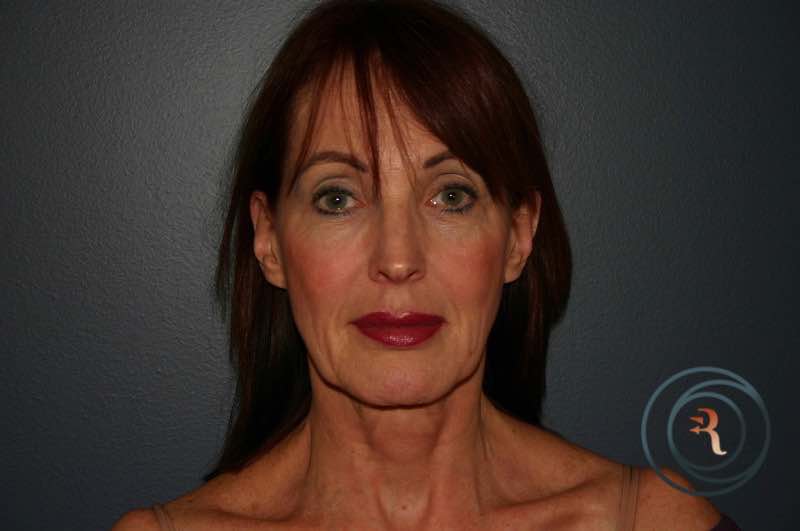


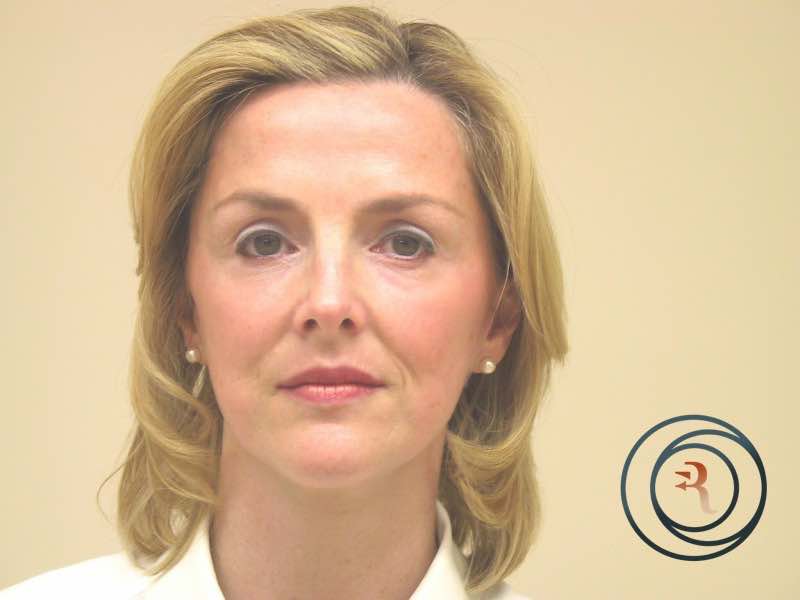
Both patients above were operated on in Morristown under local anesthesia with light moderate sedation — no general anesthesia, no breathing tube. Each was alert, eating, and ambulating within the hour after surgery.
Recovery Differences: Local + Sedation vs. General Anesthesia
Even for healthy younger patients, the recovery curve after facial surgery under local anesthesia with sedation is noticeably gentler. For older patients in Northern New Jersey, the gap is larger:
- First 24 hours: Less nausea, less grogginess, no sore throat from intubation, less risk of confusion or delirium overnight.
- First week: Patients eat normally and sleep on their normal schedule sooner. Less constipation from anesthetic and narcotic exposure. Lower risk of post-anesthetic cognitive fog.
- First month: Patients return to driving, light social activities, and familiar mental tasks (reading, conversation, work) on schedule rather than weeks late.
- Long-term: No documented contribution of light sedation + local anesthesia to long-term cognitive decline.
The point is not that general anesthesia is dangerous — in the right setting and the right patient, it is safe. The point is that for elective facial cosmetic surgery in older adults, it usually isn’t necessary, and the lighter alternative offers a meaningful margin of safety and comfort that older patients value.
Questions Older Patients Should Ask Any Plastic Surgeon in North Jersey
If you are an older patient interviewing surgeons in Morristown, Summit, Chatham, Madison, Short Hills, Bernardsville, Mendham, Florham Park, or anywhere in Northern New Jersey, the anesthesia conversation is at least as important as the surgical plan. Useful questions to ask:
- Do you perform facelift, eyelid surgery, and brow lift under local anesthesia with sedation, or do you require general anesthesia for these procedures?
- How many cases per year do you personally do under local anesthesia with sedation?
- Who is the anesthesia provider, what are their credentials, and what is the facility’s accreditation?
- How do you manage my existing medications — blood thinners, blood pressure pills, supplements — in the perioperative period?
- What is your protocol for older patients with mild cognitive concerns or a family history of dementia?
- How long after surgery should I expect to feel mentally back to baseline?
A surgeon who has spent decades performing facelifts under local anesthesia with sedation will answer all of these in concrete, specific terms. A surgeon whose only mode is general anesthesia will often dismiss the question or insist that general is required — which, as Dr. Rafizadeh points out on RealSelf, is simply not accurate for the vast majority of facial cosmetic procedures.
Common Questions Patients Search About Anesthesia & Facial Surgery
Do anesthesia risks increase in older adults?
Yes. Liver and kidney clearance slows with age, cardiac response to anesthetic agents becomes more variable, and the brain is more susceptible to delirium and postoperative cognitive dysfunction (POCD). The increase in risk is one of the strongest arguments for using lighter anesthesia — like local with moderate sedation — whenever the procedure allows it. For elective facial cosmetic surgery in North Jersey, it almost always does.
Should general anesthesia be avoided in the elderly?
Avoided isn’t quite the right word — general anesthesia is broadly safe and sometimes the right call. But it shouldn’t be the default for older patients having elective surgery when a lighter alternative exists. For facelift, eyelid surgery, and brow lift, Dr. Rafizadeh uses local anesthesia with moderate sedation specifically to spare older patients the deeper anesthetic exposure that is most strongly linked to short and long-term cognitive concerns.
Can people with dementia go under anesthesia?
Yes, when medically necessary — but the threshold for elective procedures should be higher, and the anesthesia plan should be lighter. Patients with existing cognitive impairment are at meaningfully higher risk of postoperative delirium and accelerated decline after general anesthesia. Local anesthesia with light sedation, performed by an experienced surgeon, is the safer pathway when a facial procedure is desired.
Are awake facelifts safe?
Yes. “Awake facelift” is the marketing term for what Dr. Rafizadeh has performed for decades: facelift under local anesthesia with moderate sedation. The patient is relaxed and comfortable, often dozing through long stretches, but breathing on their own without a tube. When the surgeon is fluent in regional sensory nerve blocks, the patient feels pressure but no sharpness, and the recovery is dramatically gentler than with general anesthesia.
Which is safer, general anesthesia or twilight sedation?
For elective facial cosmetic surgery, twilight sedation paired with local anesthetic nerve blocks is the safer option for most patients — especially older patients. It avoids intubation, paralytic agents, and the deeper anesthetic planes most strongly associated with postoperative cognitive dysfunction. General anesthesia remains the right call for longer body procedures or when the airway must be controlled, but it is rarely required for facelift, blepharoplasty, brow lift, lip lift, or rhinoplasty.
Will I feel pain under twilight sedation?
No. The twilight sedation removes anxiety and produces a relaxed, drowsy state. The local anesthetic nerve blocks numb the surgical area completely. Patients feel touch and pressure but not pain. The only sensation that is sometimes briefly noted is the initial injection of local anesthetic, which lasts a few seconds and is dampened by the sedative.
What type of anesthesia is best for facelift surgery?
In Dr. Rafizadeh’s 40+ years of practice in Morristown and across Northern New Jersey, the best anesthesia for a facelift — and for almost all facial cosmetic procedures — is local anesthesia with moderate IV sedation. It delivers patient comfort during surgery, faster mental and physical recovery afterward, and the smallest anesthetic burden on the body. For older patients in particular, it is the configuration with the lowest cognitive and physiologic risk.
Is general anesthesia safe for older patients having a facelift?
General anesthesia is broadly safe in modern operating rooms, but for elective facial cosmetic surgery in older adults it is rarely the best choice. A growing body of research has linked general anesthesia and heavy IV sedation to postoperative cognitive dysfunction (POCD) and possible long-term cognitive decline in some older patients. For elective procedures like facelift, eyelid surgery, and brow lift, Dr. Rafizadeh prefers local anesthesia with light moderate sedation, which avoids the deeper anesthetic agents most strongly implicated in cognitive concerns.
Does anesthesia cause Alzheimer's or dementia?
Anesthesia by itself has not been proven to cause Alzheimer's disease. However, peer-reviewed studies have shown that some older patients experience postoperative cognitive dysfunction - short or longer-term memory and attention changes - after general anesthesia and major surgery. The risk is higher with longer operations, deeper anesthesia, and pre-existing cognitive vulnerability. Minimizing the depth and duration of anesthesia is the most logical way to lower that risk, which is why Dr. Rafizadeh uses local anesthesia with light sedation for all facial aesthetic procedures.
Can you really get a facelift under local anesthesia with sedation?
Yes. Dr. Rafizadeh has performed deep plane and SMAS facelifts, brow lifts, upper and lower eyelid surgery, and rhinoplasty under local anesthesia with moderate (twilight) sedation for decades. The technique requires the surgeon to be skilled in regional sensory nerve blocks, which numb the face from a few small injection points. Once the face is numb, the patient receives a light sedative for anxiety and pain reliever for the initial injections. The patient breathes on their own and recovers far faster than with general anesthesia.
Why do some surgeons say a facelift requires general anesthesia?
Surgeons who are not comfortable performing facelift, eyelid, or brow lift surgery under local anesthesia will tell patients that general anesthesia is mandatory. This is not true. Local anesthesia with sedation is an established, decades-old technique. It is more demanding for the surgeon - precise, slow injection technique is required - but for the patient it is safer, gentler on the body, and far easier to recover from, particularly in older patients in Morristown, Summit, Chatham, Madison, and across Northern New Jersey.
What is twilight sedation and how is it different from general anesthesia?
Twilight sedation (also called moderate IV sedation or conscious sedation) is a lighter anesthetic state. The patient breathes on their own, does not need a breathing tube, and is relaxed and comfortable but not deeply unconscious. General anesthesia, by contrast, suspends consciousness, paralyzes breathing muscles, and typically requires intubation. For older patients having elective facial surgery, twilight sedation combined with local anesthetic nerve blocks delivers all the comfort with substantially less physiologic stress.
Related Reading From Dr. Rafizadeh’s Blog
Older patients researching anesthesia options and facial procedures in Northern New Jersey may find these articles useful:
- Facelift in Older Patients: What’s Needed in Northern New Jersey
- Face Lift Under Local Anesthesia With Conscious Sedation in New Jersey
- Plastic Surgery Under Local Anesthesia in New Jersey
- How Long After a Facelift Can I Exercise?
- Deep Plane Facelift in NJ — Dr. Rafizadeh’s Approach
- How to Make a Facelift Effective With a Quick Recovery in New Jersey
Bottom Line
An older patient who is worried about general anesthesia — about waking up foggy, about lingering memory issues, about whether the operation will tip them closer to cognitive decline — is asking exactly the right question. The answer in 2026 is straightforward: for elective facial cosmetic surgery, the safest anesthesia is the least anesthesia. Local anesthesia with moderate sedation, performed by a surgeon who is fluent in regional nerve blocks, gives an older patient the result they want with the cognitive and physiologic margin they deserve.
If you are considering a facelift, eyelid surgery, brow lift, or any combination in Morristown, Summit, Chatham, Madison, Short Hills, or anywhere across Northern New Jersey, Dr. Rafizadeh is happy to walk through your specific health history, medications, and goals during a consultation — and to show you, on a personalized computer simulation, what your results could look like.
Ready to schedule a consultation in Morristown, NJ?
Book a Consultation